How Much Schooling for a Vet Tech: Essential Steps to Success
Are you passionate about helping animals and wondering how much schooling you need to become a vet tech? Knowing the right amount of education is key to planning your future in this rewarding career.
You might be asking yourself, “Is it a long road? What classes will I take? How soon can I start working with animals? ” This article will give you clear answers and guide you step-by-step through what it takes to become a veterinary technician.
Keep reading to discover exactly how much schooling you need and what to expect along the way.

Credit: www.vetandtech.com
Education Requirements
Understanding the education requirements is crucial if you want to become a veterinary technician. The path involves specific steps that prepare you with the right knowledge and skills to care for animals effectively. Knowing what schooling you need helps you plan your future with confidence and clarity.
High School Prerequisites
Before entering a vet tech program, you should have a solid high school foundation. Focus on science courses like biology, chemistry, and anatomy. These classes give you a head start and make your college coursework more manageable.
Math and communication skills also play a big role. You’ll use math for dosages and measurements, and strong communication helps when working with pet owners and veterinarians. Have you considered how these basic skills will shape your daily work as a vet tech?
Accredited Vet Tech Programs
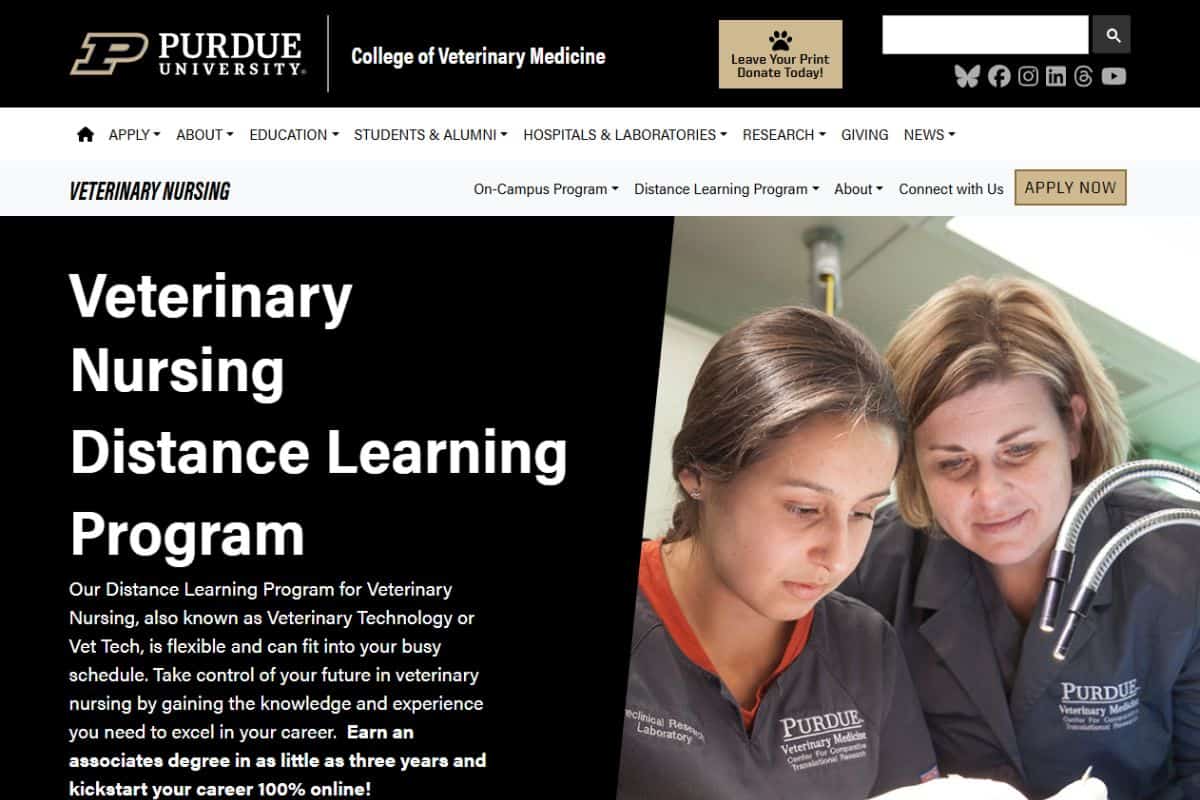
Choosing an accredited program is essential. Accreditation means the school meets industry standards and prepares you well for certification exams. Look for programs accredited by the American Veterinary Medical Association (AVMA).
These programs typically last two years and combine classroom learning with hands-on experience. You’ll learn about animal anatomy, pharmacology, lab procedures, and clinical skills. Does the program you’re eyeing offer enough real-world training to build your confidence?
Associate Vs. Bachelor Degrees
Most vet techs earn an associate degree, which takes about two years to complete. This degree qualifies you to take the Veterinary Technician National Exam (VTNE) and start working in clinics or hospitals.
However, some choose to pursue a bachelor’s degree, which can open doors to specialized roles, management positions, or research opportunities. Bachelor’s programs offer more in-depth study and sometimes include leadership courses.
Think about your long-term goals—do you want to jump right into clinical work, or are you aiming for advanced roles? Your choice between an associate and bachelor degree shapes your career path significantly.
Credit: www.theacademyofpetcareers.com
Certification And Licensing
Certification and licensing are essential for vet techs to work legally and professionally. These requirements prove that a vet tech has the skills and knowledge to care for animals safely. The process varies by state but generally involves passing an exam and maintaining education.
National Veterinary Technician Exam
The National Veterinary Technician Exam (NVTE) is a key step for vet tech certification. This exam tests knowledge in animal care, nursing, and medical procedures. Passing the NVTE shows readiness to work as a vet tech. Many states require this exam for licensing or certification.
State Licensing Variations
Each state has its own rules for vet tech licensing. Some states require a license, others offer certification or registration. Requirements can include:
- Passing the NVTE
- Completing an accredited education program
- Background checks
- Paying licensing fees
Understanding your state’s rules is important before applying.
Continuing Education Needs
Vet techs must keep learning after certification. States often require continuing education (CE) to renew licenses. CE helps vet techs stay updated on new animal care methods. Courses can be online or in-person. Staying current improves skills and job performance.
Hands-on Training
Hands-on training is essential for vet tech students. It helps them apply what they learn in classrooms. Practical experience builds confidence and skills. This training often happens through clinical internships, externships, and focused skills development sessions. These experiences prepare students for real veterinary settings.
Clinical Internships
Clinical internships give vet tech students a chance to work in animal hospitals. They assist veterinarians and techs in daily tasks. Students learn to handle animals safely and perform routine procedures. This time allows them to see how clinics operate. It also teaches communication with pet owners and team members.
Externship Opportunities
Externships provide short-term, intensive experiences in various veterinary environments. Students may work in specialty clinics, shelters, or research facilities. These opportunities expose them to different animals and treatments. Externships help students decide which area they want to focus on. They also build professional connections for future jobs.
Skills Development
Skills development focuses on mastering specific veterinary tasks. Students practice taking vital signs, drawing blood, and preparing animals for surgery. They also learn lab work and how to use veterinary equipment. Regular practice ensures students perform confidently and accurately. This training is vital for safe and effective patient care.
Time Commitment
Becoming a veterinary technician requires a clear understanding of the time needed for schooling. The time commitment varies based on the program type and study pace. Knowing this helps plan your education and balance other life duties effectively.
Typical Program Length
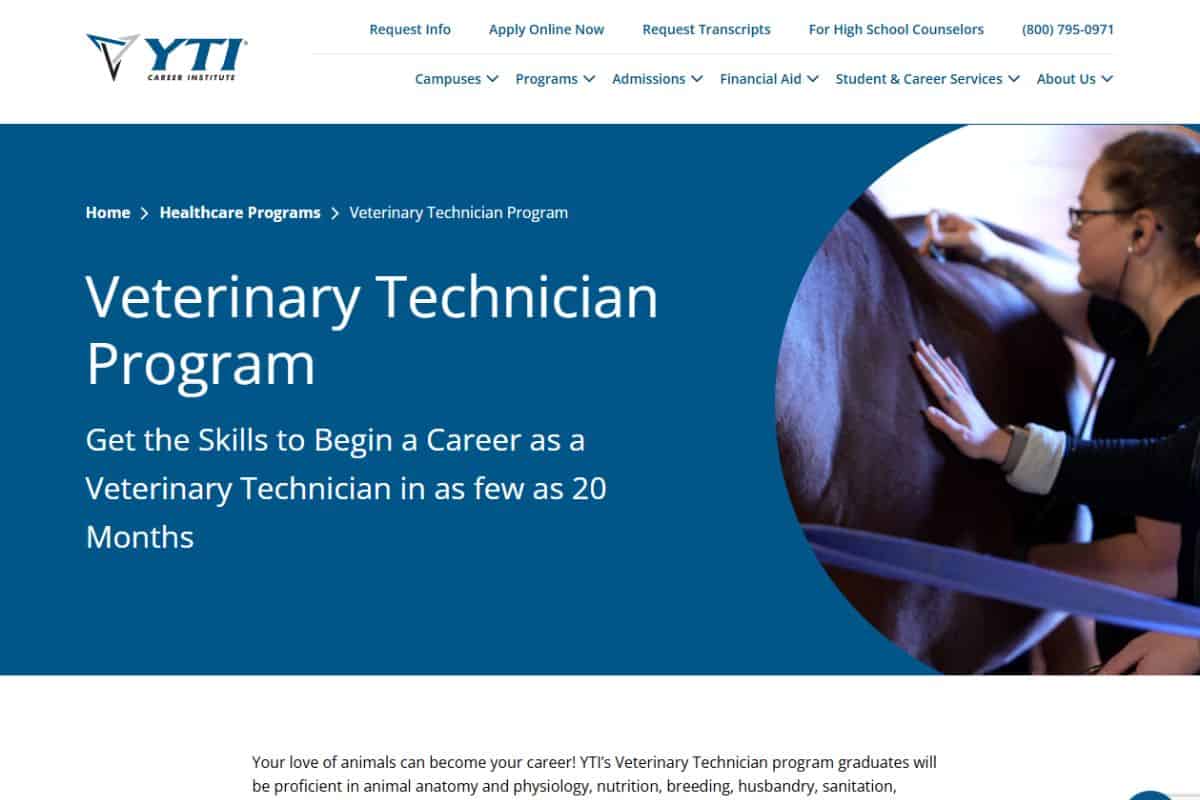
Most vet tech programs take about two years. These programs award an associate degree. Some may take slightly longer with part-time study. The curriculum includes both classroom learning and hands-on training. This mix ensures students gain practical skills and knowledge.
Balancing Work And Study
Many students work while studying to support themselves. Managing time between job, classes, and study is challenging. Creating a schedule helps keep track of deadlines. Some schools offer evening or weekend classes. These options assist students in balancing work and education.
Accelerated Options
Some schools provide accelerated vet tech programs. These programs shorten the time to about one year. They require full-time study and strong commitment. The fast pace suits highly motivated learners. This path demands focus but leads to quicker entry into the workforce.
Career Advancement
Career advancement for vet techs offers many chances to grow and gain new skills. Moving up the career ladder often means specializing, pursuing further education, or joining professional groups. Each path helps vet techs increase their knowledge, improve job prospects, and earn higher pay.
Vet techs who want to progress can explore specific fields. Specializing brings deeper expertise and new opportunities. Continuing education boosts credentials and opens doors to advanced roles. Joining professional organizations connects techs with peers and resources for success.
Specializations For Vet Techs
Vet techs can focus on areas like anesthesia, dentistry, or emergency care. Specialties increase a tech’s value to clinics and hospitals. Some common fields include:
- Emergency and Critical Care
- Dental Technology
- Clinical Pathology
- Animal Behavior
- Veterinary Oncology
Certifications in these areas require extra training and exams. Specializing makes vet techs more skilled and competitive in the job market.
Further Education Paths
Advancing education helps vet techs gain advanced knowledge and skills. Options include:
- Associate Degree in Veterinary Technology
- Bachelor’s Degree in Veterinary Technology or related fields
- Continuing Education Courses and Workshops
- Online Certificate Programs
Higher education can lead to leadership roles or specialized careers. Classes often cover advanced diagnostics, management, and research.
Professional Organizations
Joining professional groups supports career growth and networking. Benefits include:
- Access to Industry News and Updates
- Continuing Education Opportunities
- Certification Support and Resources
- Networking with Other Vet Techs and Veterinarians
- Job Boards and Career Advice
Popular organizations include the National Association of Veterinary Technicians in America (NAVTA) and state-level groups. Being part of these communities boosts professionalism and job success.
Credit: www.theacademyofpetcareers.com
Frequently Asked Questions
How Many Years Of Schooling For A Vet Tech?
Becoming a vet tech typically requires 2 years of schooling. An associate degree from an accredited program is standard. Some may pursue a 4-year bachelor’s degree for advanced roles. Hands-on clinical experience is essential during training.
What Courses Are Needed For Vet Tech Schooling?
Vet tech programs include anatomy, pharmacology, and animal nursing. Courses also cover lab techniques, radiology, and surgical assistance. Training emphasizes both theory and practical skills. Communication and ethics are often part of the curriculum.
Is Certification Required After Vet Tech Schooling?
Yes, certification is usually required to work as a vet tech. Most states require passing the Veterinary Technician National Exam (VTNE). Certification ensures the vet tech meets professional standards. Some states have additional licensing requirements.
Can I Become A Vet Tech With Online Schooling?
Yes, some accredited vet tech programs offer online courses. However, clinical hands-on training must be completed in person. Online schooling provides flexibility but requires discipline. Ensure the program is accredited for certification eligibility.
Conclusion
Vet tech schooling is a worthy investment. It equips you with vital skills. Courses are practical and engaging. You gain knowledge in animal care. Training offers hands-on experience with pets. Education lasts two to four years. It’s a blend of classroom and clinical practice.
Graduates find diverse job opportunities. Clinics, zoos, and labs need skilled vet techs. Education opens doors in animal healthcare. Choose a program that suits your goals. Passion for animals drives your success. Start your journey today. Make a difference in animal lives.

Similar Posts