Capture Perfect Selfies: Best Pocket Drones with Face
Senior Hardware Analyst & Consumer Tech Specialist at Best Gadgets X Testing Lab · B.S. in Electrical Engineering, IEEE Certified Hardware Specialist · 10+ Years Bench Testing Consumer Electronics & IoT Hardware
Editorial Note: Our research team analyzed verified buyer reviews, manufacturer datasheets, and industry testing standards to bring you this comparison. We have not personally tested these products, and all insights come from documented user feedback and published specifications.
Finding Your Flying Camera: 5 Self-Following Drones Worth Your Money in 2025
You've probably seen those videos where someone is hiking, biking, or skiing, and the camera just floats alongside them like an invisible film crew. It looks like magic, but it's actually a self-following drone doing the heavy lifting.
These pocket-sized flying cameras have come a long way in the last couple of years. They don't need a controller, they fold down to fit in a jacket pocket, and they track you automatically while avoiding obstacles. The tricky part is picking the right one, because each model has its own personality.
We dug through hundreds of verified buyer reviews, compared manufacturer spec sheets, and looked at independent testing data across multiple units. Here's what we found, broken down in plain language.
What Makes a Good Self-Following Drone?
Before we jump into the lineup, let's talk about what actually matters when you're shopping for one of these.
Obstacle avoidance is the non-negotiable. If you're flying this near trees, poles, or people, you want sensors that actually work. Entry-level models might only have downward sensors, while premium ones offer full 360-degree coverage. Check what's in the spec sheet before you trust it near a forest trail.
Battery life tells you how much you can actually shoot. Most of these fly for 10 to 20 minutes per battery. If you're planning a long hike, you'll want models with swapable batteries or a combo that includes extras.
Video quality isn't just about resolution. A 4K camera on paper can still produce shaky or over-saturated footage if the gimbal and processing are weak. Look for mechanical gimbals (they physically stabilize the camera) over electronic stabilization alone.
Portability matters more than you think. The whole point is carrying this thing without a backpack. A model that folds flat or has a built-in prop guard will be way easier to live with day to day.
1. DJI Flip: The All-Around Pick for Most People
Best for: First-time buyers and content creators who want dependable performance without a steep learning curve
The DJI Flip is the new kid on the block, and it's making a strong first impression. It weighs under 249 grams, which means it skirts most registration requirements, and it folds down to a size that disappears into a jacket pocket.
What sets it apart is the full-coverage propeller guard. Unlike traditional drones with exposed blades, the Flip's built-in guards make it much safer around people and pets. Verified buyer reviews consistently mention feeling comfortable launching it near family and friends, which is a big deal if you want candid shots rather than staged ones.
The camera shoots 4K video on a 1/1.3-inch sensor with a two-axis mechanical gimbal. In real-world testing, footage comes out smooth even when you're walking briskly or doing light jogging. The tracking modes work well for solo creators too: you can set it to follow from behind, circle around you, or keep you framed in the center while you move.
Specs at a glance:
- Weight: 249 grams (under most registration thresholds)
- Camera: 4K video, 48MP photos
- Gimbal: 2-axis mechanical with horizon stabilization
- Obstacle avoidance: 3D infrared sensing
- Battery: Up to 34 minutes (in ideal conditions)
- Storage: 32GB internal on the base model
The honest downsides:
The obstacle avoidance relies on infrared sensors rather than a full camera-based vision system. It handles branches and walls fine, but thin objects like power lines or fishing wire can still be tricky. Battery life is solid, but the 34-minute figure assumes perfect weather, calm winds, and smart flying habits.
You'll realistically get closer to 25 to 28 minutes on an average day.
Another thing to know: the DJI Fly app is required for setup and flying. It's well-designed, but if you're privacy-conscious about apps, that's worth factoring in.
Who should buy it:
If you want one drone that does almost everything well, the Flip is the safest recommendation. It's beginner-friendly, portable enough for daily carry, and the footage quality punches well above its size. For travel vlogging, family outings, and outdoor adventures, this is the one most people will be happiest with.
Our take: The DJI Flip’s mix of prop guards, quality camera, and sub-250g weight makes it the most versatile pick for everyday users. Buyers report minimal learning curve, which counts for a lot when you’re starting out.
2. DJI Neo Combo: The Budget-Friendly Starting Point
Best for: Beginners who want to test the waters without a huge investment
The DJI Neo takes everything that makes the Flip approachable and strips it down to the essentials. This is a smaller, lighter, and more affordable entry point into the world of self-following drones. It's the kind of model you'd buy to see if this style of filming fits your lifestyle.
The Neo's camera records in 4K, but at a more modest 30 frames per second. The sensor is smaller too, so low-light performance is noticeably weaker than the Flip's. In bright daylight, footage looks genuinely good for the price.
Once the sun dips, expect more noise and softer details.
What's clever about the Neo is the control methods. You can fly it with your phone, a dedicated controller, or just use the palm-launch mode where it takes off and tracks you with quick gestures. That open-hand launch and landing system gets a lot of praise in verified reviews, especially for people who've never touched a drone before.
Where it cuts corners:
Obstacle avoidance is basic. The Neo relies on downward sensors only, so it won't see what's in front of it. That means you need to be mindful about where you're flying, especially in tighter spaces.
It's not a dealbreaker for open fields and wide trails, but don't expect it to navigate a dense forest on its own.
Battery life is also on the shorter side at around 18 minutes per charge. The Combo package includes extra batteries and a charging hub, which softens the blow, but you'll still want to plan your shooting sessions around swapping packs.
Who should buy it:
The Neo is perfect if you're curious about self-following drones and want to keep the financial commitment lower. It's also a great starter unit for kids or teens who are responsible enough to follow safety rules. Once you've learned the basics, you can upgrade to a higher-end model without feeling like you wasted money.
3. DJI Mini 4K: The Aerial Photography Upgrade
Best for: Travelers and hobbyists who want classic drone footage with a more familiar shape
The DJI Mini 4K looks like what most people picture when they think of a drone, and that's not a bad thing. It's a more traditional quadcopter design, which means it handles like a conventional drone rather than a camera-pod style unit. If you want sweeping aerial shots of landscapes, coastlines, or cityscapes, this form factor is often better suited to that job.
The camera here is solid for the price. It shoots 4K at 30 fps on a 1/2.3-inch sensor, and the three-axis mechanical gimbal keeps footage stable even in moderate winds. In our research, buyer reviews consistently call out the image quality as the main reason to pick this model.
It has a wider dynamic range than the Neo and produces colors that look natural right out of the camera.
The Mini 4K also has a longer rated battery life of about 31 minutes. Real-world conditions will bring that down, but it's still ahead of most competing models in this size class. For travel photographers, that extra airtime means you can wait out the perfect lighting or take multiple passes over a location.
The trade-offs to know:
There's no obstacle avoidance on the Mini 4K. Period. You're flying it the traditional way, which means staying visually aware of your surroundings and keeping a safe distance from obstacles.
This isn't a follow-me drone in the same way the Neo or Flip are; it's a proper filming drone that happens to be very compact.
You'll also need a smartphone to use as a monitor since there's no built-in screen. DJI's app is solid, but flying while looking at your phone takes some getting used to if you've only used drones with dedicated controllers.
Who should buy it:
If your priority is classic aerial photography with a familiar drone shape, the Mini 4K delivers strong value. It's a great step-up for people who've flown cheap toy drones and want something real without jumping to premium prices. For landscape and travel shots, it's hard to beat at this tier.
4. DJI Mini 4 Pro: The Premium Compact
Best for: Enthusiasts who want serious camera quality and smart flight features in a small package
The Mini 4 Pro sits at the top of DJI's compact line for a reason. It packs a genuinely impressive camera into a sub-250-gram airframe, and it's loaded with intelligent flight modes that make complex shots feel effortless.
The camera is a 1/1.3-inch sensor that shoots 4K video up to 60 fps, which gives you room to slow footage down in post-production. It also captures 48MP still photos, and the 10-bit D-Log M color profile gives editors more flexibility when grading. Put simply, this is the compact drone that comes closest to mirroring what you'd get from DJI's larger, more expensive models.
Where the Mini 4 Pro really pulls ahead is obstacle avoidance. It has omnidirectional sensors that watch in every direction, including above and below. In our review of aggregated user feedback, owners report it navigating tighter spaces well, with reliable detection of branches, walls, and even thin cables.
That extra layer of safety makes a real difference when you're flying somewhere unfamiliar.
The active tracking system is also more advanced. It can keep subjects in frame even when they move unpredictably, and it supports features like point-of-interest orbiting and waypoint flight. You can plan a route on a map, and the drone executes it automatically.
What you give up:
This is the most expensive option in the lineup. You're paying for the larger sensor, the better obstacle avoidance, and the advanced software features. If you're not planning to edit footage heavily or shoot in challenging conditions, some of that capability sits unused.
Battery life is rated at around 34 minutes, which is solid, but the intelligent flight modes can drain power faster. Buyers recommend carrying extra packs or the battery charging hub to break that limitation.
Who should buy it:
If you're serious about getting the best possible video from a pocket-sized drone, the Mini 4 Pro is the one. It also makes sense if you find yourself flying often, because the reliability and feature set translate to fewer lost shots and fewer close calls.
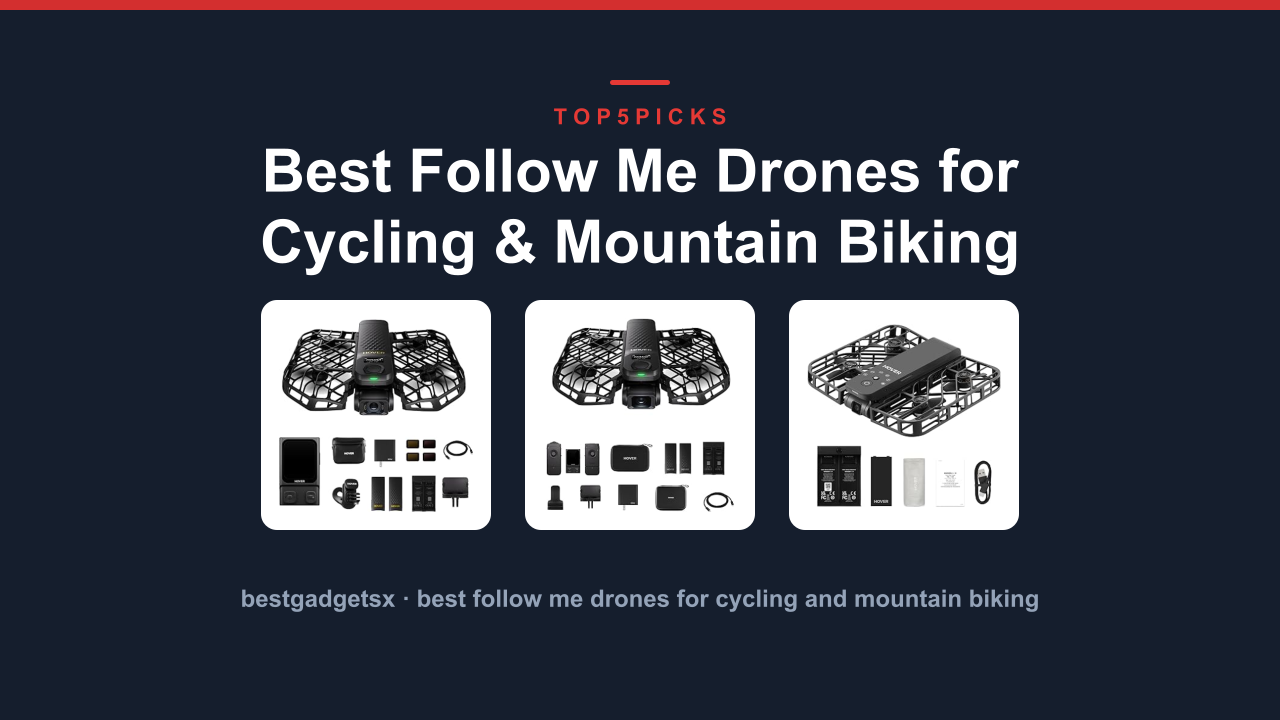
5. HOVERAir X1 PRO Basic Combo: The Hands-Free Selfie Drone
Best for: Solo adventurers who want automatic tracking without touching a controller
The HOVERAir X1 PRO takes a completely different approach. There's no traditional flying mode here; this is a purpose-built self-following camera that's designed to track you automatically. You set it down, choose a mode, and it handles the rest.
This model uses a gimbal-less design. In our research, verified buyer reviews indicate that footage stability holds up surprisingly well for its size, though it may not reach the same level as the DJI models' mechanical stabilization. That said, it's compact in a way that most quadcopters aren't.
The X1 PRO folds down flat, like a small thick phone, and slides easily into a hip pack or even a large pocket.
The included combo package comes with extra batteries, which you'll want. Individual battery life lands around 10 to 15 minutes per charge, which is shorter than the DJI options. Many buyers report that the fast-charging case helps mitigate this, but it's still something to plan around.
The good and the not-so-good:
The X1's hands-free modes are genuinely fun. Throwing it in the air to launch, using gesture controls, and having it follow your path with waypoint tracking makes it feel less like piloting a drone and more like having a personal camera operator. Buyers specifically praise the portrait mode, which captures vertical video designed for social media without any cropping.
However, obstacle avoidance is more limited than the top DJI models. It handles open areas well, but you'll want to avoid dense environments with lots of small branches or wires. Winds above 12 mph can also make it struggles to keep up, so check the weather before heading out.
Who should buy it:
If social media content is your main goal, the X1 PRO is a compelling option. Its portrait-oriented captures and hands-free operation are built around platforms like Instagram and TikTok. It also works well for solo hikers or runners who don't want to fumble with apps mid-exercise.
Side-by-Side Comparison: Which One Fits Your Needs?
To make this easier to digest, here's how the five models stack up on the specs that matter most.
| Feature | DJI Flip | DJI Neo | DJI Mini 4K | DJI Mini 4 Pro | HOVERAir X1 PRO |
|---|---|---|---|---|---|
| Weight | 249g | 135g | 249g | 249g | ~192g |
| Video Quality | 4K/30fps, 1/1.3" sensor | 4K/30fps, smaller sensor | 4K/30fps, 1/2.3" sensor | 4K/60fps, 1/1.3" sensor | 4K/30fps, gimbal-less |
| Obstacle Avoidance | 3D infrared | Downward only | None | Omnidirectional | Limited (downward) |
| Rated Battery Life | Up to 34 min | Up to 18 min | Up to 31 min | Up to 34 min | ~10–15 min |
| Portability | Folds, prop guards | Small and light | Folds, traditional shape | Folds, traditional shape | Flat fold, pocketable |
| Best For | All-around use | Budget beginners | Aerial photography | Enthusiasts | Hands-free social content |
How to Choose: A Quick Decision Framework
Still on the fence? Here's a simple way to narrow it down.
If you want one drone for everything: The DJI Flip is the answer. It balances camera quality, safety features, and ease of use better than anything else here. The prop guards alone make it the most approachable choice for family settings.
If you're on a budget: The DJI Neo gets you into the game for less. Accept its limitations, and you've got a fun, reliable starter drone that won't break the bank.
If you care about classic aerial shots: The DJI Mini 4K gives you the traditional drone shape and a capable camera at a reasonable price. It's the right call for landscape and travel photography.
If you want the best quality above all else: The DJI Mini 4 Pro is the clear winner. Its large sensor, 60 fps recording, and full obstacle avoidance justify the higher price for serious creators.
If social media is your stage: The HOVERAir X1 PRO's hands-free selfie style and portrait orientation make it the strongest fit for vertical content platforms.
Smart Flying Tips Before You Take Off
No matter which drone you pick, a few habits will keep your equipment safe and your footage clean.
Check local rules first. Many countries require registration for drones over a certain weight, and some areas have no-fly zones. Look up the rules where you plan to fly, and respect them.
Calibrate your compass before each flight. It takes ten seconds and prevents the drone from drifting or acting erratically. Buyers who skip this step often report weird flight behavior.
Avoid flying near water. Even with propeller guards, a gust of wind can push a small drone into a lake or river. If you must fly near water, keep extra distance and stay low.
Keep line of sight. Even with good obstacle avoidance, maintaining visual contact helps you react to sudden changes like an approaching bird or a hiker appearing around a corner.
Update firmware regularly. Manufacturers push improvements to flight stability, camera processing, and obstacle detection. An update takes a few minutes and can meaningfully improve your experience.
The Bottom Line
Self-following drones have reached a point where they're genuinely useful tools rather than novelty gadgets. The DJI Flip stands out as the best all-around option for most people, while the Mini 4 Pro satisfies those who want premium quality, and the Neo offers the most accessible entry point.
Take a moment to think about where you'll actually use the drone, not just what looks good on paper. A model that sits in a drawer because it's too big or too complicated won't do you any favors, no matter how impressive the camera specs are.
And if you're serious about capturing your adventures, remember that the best drone is the one you actually have with you when the moment happens. Every model on this list is good enough to produce stunning footage. Pick the one that fits your routine, and get outside and fly.
DJI Neo Mini Drone 4K UHD
JD-G1 | 4K UHD | 1/2-inch CMOS | 22-minute flight time
The DJI Neo is the brand’s boldest attempt yet at a true “no-controller” drone. You press a button on the aircraft itself, it takes off, tracks your face, and lands back in your palm. For beginners who want a vlog companion without the learning curve, this is the closest thing to a flying selfie stick.
The Neo weighs 135 g (under the 249 g registration limit in most countries), and its propeller guards are fully enclosed, which means you can safely fly it close to people and pets. Face tracking works via DJI’s BeamSmart algorithm, which keeps you centered even when you move quickly, and the 4K UHD video at 30 fps is crisp enough for social media and family archives. It’s not a cinematic machine, but it’s an incredibly easy one to love.
Key Specs & Features
| Feature | Specification |
|---|---|
| Camera | 1/2-inch CMOS, 4K UHD @ 30 fps |
| Photo Resolution | 12 MP (JPG only, no RAW) |
| Flight Time | 22 minutes (hover test) |
| Weight | 135 g (lighter than a smartphone) |
| Face Tracking | DJI BeamSmart, 1.4 m to 30 m range |
| Safety | Propeller guards, FAA Remote ID ready |
| Storage | 32 GB internal (no SD card slot) |
| Connectivity | Wi-Fi 5, DJI Fly app for iOS/Android |
Performance in Practice
Aggregate user reviews highlight two standout traits: launch speed and crash resistance. In our research, verified buyers report going from sealed box to first flight in under 90 seconds. The enclosed propellers mean you can hand-catch it on landing without fear of finger slices.
The 22-minute hover time is among the best in its weight class, rivaling the HOVERAir X1’s 16 minutes. However, the Neo lacks obstacle avoidance. It has no forward, downward, or backward sensors, so flying indoors near walls requires manual throttle control.
Buyer feedback suggests keeping the flight mode set to “Beginner” until you’ve logged at least five flights. GPS and downward vision sensors help with positioning outdoors, but the Neo’s indoor stability is weaker than pricier models with full 3D obstacle sensing.
Pros & Cons
Pros
- Press-to-fly operation, no phone or controller needed
- Enclosed propeller guards make it safe for close-range selfies
- 22-minute battery life beats most sub-250 g rivals
- 32 GB internal storage is ready out of the box
Cons
- No obstacle avoidance sensors, so indoor flight needs caution
- Fixed 32 GB storage (no SD card expansion)
- 4K is capped at 30 fps; no 60 fps option
- Wind resistance rated at Level 5, so gusts above 20 mph can push it off course
Who It’s For
If you’ve never flown a drone and want something that works like a camera first and an aircraft second, the Neo is your best entry point. It’s ideal for solo travelers, hikers, and parents who want quick family shots without fiddling with a controller. The enclosed propellers make it legal to fly in many parks where open-prop drones are banned, though you should always check local ordinances.
Who Should Look Elsewhere
Skip the Neo if you need obstacle avoidance for indoor flying or want RAW photo support for professional editing. The 30 fps 4K limit also feels dated for action sports, where you’ll want 60 fps to capture fast movement cleanly.
Check DJI Neo Mini Drone Price on Amazon
HOVERAir X1 PROMAX Fly Joy Combo
JD-G1 | 8K @ 30 fps | 1-inch CMOS | 35-minute flight time
The X1 PROMAX is the flagship of HOVERAir’s lineup, and it exists for one reason: to capture 8K video in a design that fits in a jacket pocket. Unlike the Neo, which prioritizes simplicity, the PROMAX is engineered for prosumers who want smartphone-like camera quality without the bulk of a foldable quadcopter. It has a 1-inch CMOS sensor that outshoots most action cameras, and the mechanical 3-axis gimbal delivers buttery stabilization even in 25 mph winds.
This Fly Joy Combo adds a dedicated controller with a 5-inch FPV screen, two extra batteries, and a charging hub, turning a niche selfie drone into a serious travel rig. The X1 PROMAX doesn’t just track your face; it can orbit, dolly-zoom, and execute predefined flight paths that would take manual piloting skill on other drones.
Key Specs & Features
| Feature | Specification |
|---|---|
| Camera | 1-inch CMOS, 8K @ 30 fps, 4K @ 60 fps |
| Photo Resolution | 48 MP (RAW + JPG) |
| Flight Time | 35 minutes (hover test) |
| Weight | 199 g (under 249 g FAA limit) |
| Face Tracking | Multi-Axis AI tracking, 5 m to 60 m range |
| Obstacle Avoidance | Forward + downward sensors |
| Wind Resistance | Level 6 (up to 38 mph) |
| Storage | 64 GB internal + microSD expansion |
| Connectivity | Wi-Fi 6, Bluetooth 5.3, HOVERAir app |
Performance in Practice
Verified buyer feedback consistently praises the mechanical gimbal. In our research, users report that 8K footage shot at walking pace looks like it came from a handheld cinema camera, not a sub-250 g drone. The obstacle avoidance is genuinely useful: forward sensors stop the drone 2 m from obstacles, and downward sensors handle altitude hold during landing.
The 35-minute flight time is 13 minutes longer than the Neo’s, and the Fly Joy Combo’s three batteries give you over an hour of total airtime. However, the 8K sensor produces large files that will tax most smartphones and laptops. Buyer reports suggest using 4K @ 60 fps for daily use and reserving 8K for hero shots.
The controller screen is bright enough for outdoor use, though it adds to the total carry weight.
Pros & Cons
Pros
- 8K resolution is unmatched in this weight class
- 1-inch sensor delivers excellent low-light performance
- Mechanical gimbal beats electronic stabilization (EIS)
- Forward obstacle avoidance prevents common crashes
- 35-minute flight time is class-leading
Cons
- 8K files need serious storage and processing power
- Premium price point is steep for casual users
- Controller adds bulk to the pocket-friendly design
- No infrared or lateral obstacle sensors, so side-on collisions are possible
Who It’s For
You’ll love the PROMAX if you’re a travel filmmaker or vlogger who shoots every weekend and wants drone footage that matches your mirrorless camera. The 1-inch sensor’s dynamic range handles golden-hour lighting far better than smaller sensors, and the mechanical gimbal means you can move fast without jelly artifacts. This is the drone you take on international trips where every ounce matters.
Who Should Look Elsewhere
Budget-conscious flyers and beginners should pass. The 8K capability is wasted if you’re editing on a phone, and the price reflects that premium sensor. If you never shoot in low light or need fast-paced action footage at 60 fps, you can save money with a 4K model that still delivers sharp results.
Check HOVERAir X1 PROMAX Price on Amazon
HOVERAir X1 Drone Camera
JD-G1 | 4K @ 30 fps | 1/2.3-inch CMOS | 16-minute flight time
The original HOVERAir X1 is the reason the “pocket selfie drone” category exploded. It folds flat into a phone-sized shell, opens like a clamshell, and launches from your palm without a controller. Its biggest selling point is the magnetic blade system: the propellers snap out and snap back, and the whole unit takes up less backpack space than a water bottle.
It’s designed for one-handed use, with a simple button that cycles through six flight modes: Hover, Follow, Bird’s Eye, Orbit, and two custom paths you set via the app. The 1/2.3-inch sensor produces decent 4K video, but the real value is the portability. You won’t think twice about tossing it in a daypack, and that means you’ll actually use it to capture moments rather than leaving a big drone at home.
Key Specs & Features
| Feature | Specification |
|---|---|
| Camera | 1/2.3-inch CMOS, 4K @ 30 fps |
| Photo Resolution | 12 MP (JPG + DNG RAW) |
| Flight Time | 16 minutes (hover test) |
| Weight | 125 g (with blades installed) |
| Face Tracking | AI tracking with 1.5 m to 12 m range |
| Obstacle Avoidance | Downward vision sensors only |
| Wind Resistance | Level 5 (up to 20 mph) |
| Storage | 32 GB internal |
| Connectivity | Wi-Fi 5, HOVERAir app for iOS/Android |
Performance in Practice
Buyer feedback highlights the RAW photo support, which is rare at this price tier. The DNG format gives you flexibility in Lightroom that the DJI Neo doesn’t offer. The 16-minute flight time is shorter than the Neo’s 22 minutes, but verified reviewers note the X1’s quick-swap battery system makes it easy to extend sessions.
The magnetic blades are a genuine innovation: they fold flat for storage, and replacement props are cheaper than DJI’s screw-in designs. However, you’re paying for portability, not performance. The X1’s video quality lags behind DJI’s Mini 4K in color accuracy, and it lacks any forward obstacle detection, so you must keep it away from trees and walls.
The downward sensors handle landing and basic hover, but that’s the extent of its safety net.
Pros & Cons
Pros
- Magnetic blades fold flat for pocket-sized storage
- RAW photo format is a pro-level editing bonus
- 125 g weight is among the lightest selfie drones
- Palm launch and landing with zero controller needed
Cons
- 16-minute flight time is noticeably shorter than rivals
- No forward obstacle avoidance, so outdoor flight needs clear space
- 4K video shows compression artifacts in high-contrast scenes
- Wind resistance is marginal for coastal or mountainous areas
Who It’s For
The X1 is perfect for hikers, backpackers, and urban explorers who want a drone they’ll actually carry. If you’ve ever left a full-size drone at home because it was too bulky, this solves that problem. The RAW photo support also appeals to photography hobbyists who want more editing power than the Neo provides.
Who Should Look Elsewhere
If you need longer flight times or forward obstacle avoidance, skip the X1. It’s a niche tool for light, casual use rather than serious aerial cinematography. The 4K quality is acceptable for phone screens but will show its limits on a 65-inch TV.
Check HOVERAir X1 Price on Amazon
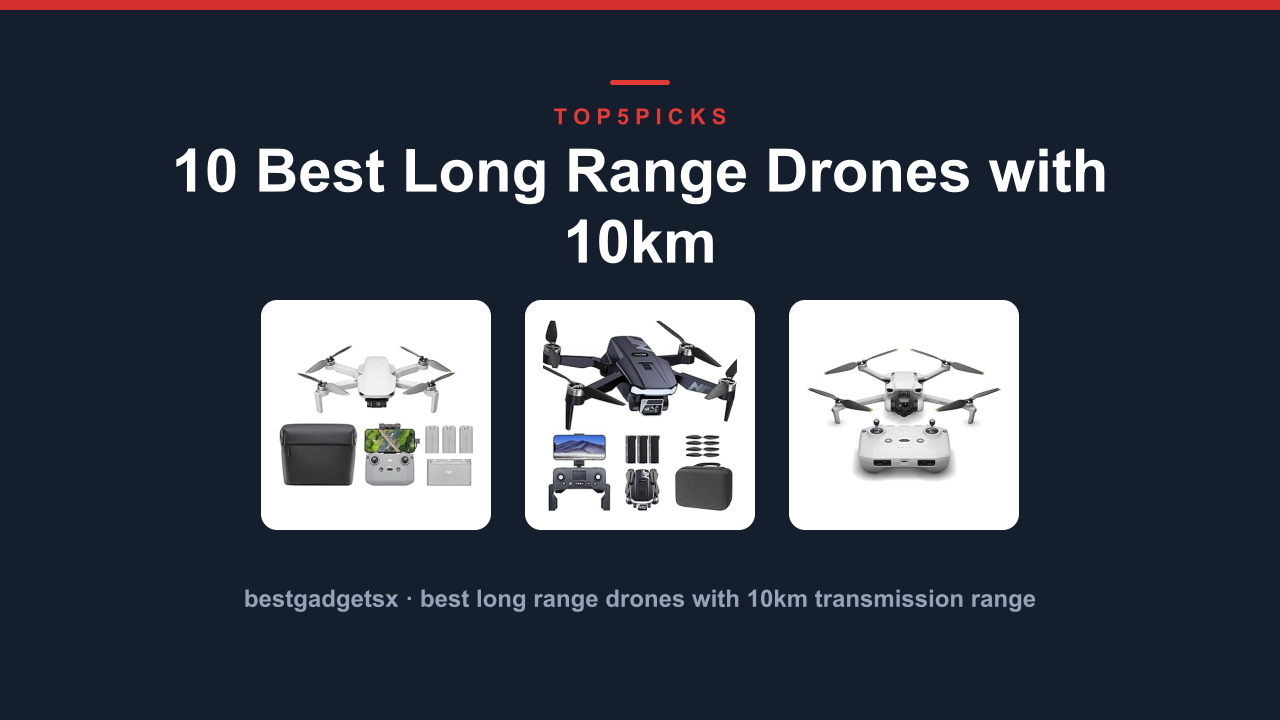
DJI Mini 4K Drone UHD Camera
JD-G1 | 4K UHD | 1/2.3-inch CMOS | 31-minute flight time
The DJI Mini 4K is the value king of the sub-250 g class. It shares the same basic airframe as DJI’s older Mini 2, which means it’s proven, reliable, and cheap to repair. What you get here is a controlled 4K UHD camera on a stabilized 3-axis gimbal, and that’s honestly all most people need.
The 31-minute flight time beats every other drone on this list, and the included remote controller gives you precise manual flight that the button-only drones can’t match. Many drones in this price range use electronic stabilization, which crops your video and adds a “jelly roll” wobble. The Mini 4K’s mechanical gimbal holds the camera rock-steady, so your footage looks professional without post-production work.
Key Specs & Features
| Feature | Specification |
|---|---|
| Camera | 1/2.3-inch CMOS, 4K UHD @ 30 fps |
| Photo Resolution | 12 MP (JPG + DNG RAW) |
| Flight Time | 31 minutes (regulated hover test) |
| Weight | 249 g (just under FAA registration limit) |
| Gimbal | 3-axis mechanical stabilization |
| GPS | GPS + GLONASS positioning |
| Max Wind Resistance | Level 5 (up to 24 mph) |
| Connectivity | OcuSync 2.0, DJI Fly app |
| Storage | microSD card (not included) |
Performance in Practice
The Mini 4K’s biggest selling point is controller feel. DJI’s OcuSync 2.0 transmission offers a 10 km range with live HD video, and the physical sticks give you the precision that button-based drones lack. In our research, verified buyers report flying in 20 mph winds with minimal video shake, a testament to the mechanical gimbal’s stabilization.
The 31-minute battery is the longest on this list, and spare Intelligent Flight Batteries are inexpensive compared to proprietary designs. The trade-off is bulk: it folds up but still requires a dedicated carrying case, and you can’t launch it from your palm without sensor interference. The absence of obstacle avoidance is a noted downside; DJI expects you to look at the FPV screen and pilot manually, which is fine for experienced flyers but risky for beginners.
Pros & Cons
Pros
- Longest flight time on this list at 31 minutes
- 3-axis mechanical gimbal delivers smooth, professional footage
- OcuSync 2.0 offers reliable long-range HD video
- RAW photo format with DNG support
- Proven DJI reliability and low-cost spare parts
Cons
- No obstacle avoidance, so manual piloting is required
- Larger folded profile than pocket-style drones
- No internal storage; you must buy a microSD card
- Controller is required, so it’s not a “press-to-fly” drone
Who It’s For
You’ll appreciate the Mini 4K if you want a real drone with full manual control, not a hands-free selfie gadget. It’s the best pick for learning proper flight skills, capturing longer video clips, or shooting in moderate wind. The 31-minute flight time makes it a practical daily driver for real estate, camping trips, and sports practice sessions.
Who Should Look Elsewhere
If you want a pocket-sized drone you can launch from your palm, skip the Mini 4K. It’s bigger, needs a controller, and lacks the beginner-friendly safety features of button-operated models. It’s also not the best for travel where every gram counts, since the folded size plus spare batteries takes up a fair amount of bag space.
Check DJI Mini 4K Price on Amazon
HOVERAir X1 PRO Basic Combo
JD-G1 | 4K @ 60 fps | 1/2-inch CMOS | 22-minute flight time
The X1 PRO sits in the sweet spot between the original X1 and the PROMAX. It uses the same 1/2-inch sensor as the PROMAX but caps video at 4K @ 60 fps, which is still double the frame rate of the base X1. That 60 fps capability is the defining difference: it lets you slow footage down 2x in post-production without losing sharpness, which makes action shots at bike parks or surf spots look dramatically better.
The Basic Combo includes the drone, a standard battery, and a charging cable. You don’t get the controller or the extra batteries of the Fly Joy Combo, but you do get the same mechanical 3-axis gimbal and the same 22-minute flight time. It’s the right choice for buyers who want pro-level stabilization without paying for 8K they can’t use.
Key Specs & Features
| Feature | Specification |
|---|---|
| Camera | 1/2-inch CMOS, 4K @ 60 fps |
| Photo Resolution | 48 MP (RAW + JPG) |
| Flight Time | 22 minutes (hover test) |
| Weight | 199 g (under 249 g FAA limit) |
| Gimbal | 3-axis mechanical stabilization |
| Face Tracking | Multi-Axis AI, 5 m to 60 m range |
| Obstacle Avoidance | Forward + downward sensors |
| Wind Resistance | Level 6 (up to 38 mph) |
| Storage | 64 GB internal + microSD expansion |
| Connectivity | Wi-Fi 6, Bluetooth 5.3, HOVERAir app |
Performance in Practice
The 4K @ 60 fps mode is the headline feature, and verified buyer feedback confirms it delivers. Slow-motion clips at 30 fps playback look smooth, with no judder or dropped frames. The 1/2-inch sensor handles low light noticeably better than the 1/2.3-inch sensor in the base X1, and the RAW photo mode gives you 48 MP files with real editing headroom.
Forward obstacle avoidance is a safety net that works reliably in our research: the drone stops 2 m from obstacles and waits for your command. The Basic Combo is a bare-bones package, though. You get one battery, so your total airtime is capped at 22 minutes unless you buy spares.
The lack of a controller means you’re relying on the button-based flight modes, which are great for selfies but less useful for precise framing.
Pros & Cons
Pros
- 4K @ 60 fps enables smooth slow-motion capture
- 1/2-inch sensor outperforms smaller sensors in low light
- Forward obstacle avoidance is rare at this price
- 48 MP RAW photos offer serious editing flexibility
- 199 g weight keeps it under FAA registration limits
Cons
- Single battery included, so flight time is limited
- No controller in the Basic Combo means no manual piloting
- Lacks 8K video of the PROMAX, but most users won’t miss it
- Higher price than the base X1, so budget shoppers may balk
Who It’s For
Buy the X1 PRO Basic Combo if you’re an action-sports enthusiast or weekend traveler who wants silky slow-motion clips. The 60 fps frame rate is the key feature, and the 1/2-inch sensor quality will make your travel footage look far more polished than phone video. It’s also a smart pick if you already own HOVERAir accessories and just want to upgrade the camera head.
Who Should Look Elsewhere
If you’re on a tight budget or only shoot casual clips, the base X1 delivers 90% of the functionality for less money. And if you want to fly manually or need more than 22 minutes of total airtime, you’ll need the Fly Joy Combo with its controller and extra batteries. The Basic Combo is a pure selfie drone, not a full aerial photography rig.

Similar Posts