How to Assess Fleet Management Systems: Construction Tech Insights
Are you struggling to choose the right fleet management system for your construction business? Picking the best solution can feel overwhelming with so many options out there.
But getting it right is crucial—your equipment, your schedule, and your bottom line all depend on it. You’ll discover simple, clear steps to assess fleet management systems effectively. By the end, you’ll know exactly what to look for to boost your project’s efficiency and cut costs.
Keep reading to make sure you don’t miss out on the system that fits your needs perfectly.
Key Features Of Fleet Management Systems
Understanding the key features of fleet management systems is essential for anyone managing construction equipment and vehicles. These features directly impact how efficiently you can track, maintain, and optimize your fleet’s performance. Let’s dive into the core capabilities that make these systems a valuable tool on any construction site.
Real-time Tracking Capabilities
Real-time tracking lets you see the exact location of every vehicle and piece of equipment in your fleet. This visibility helps you assign tasks more efficiently and respond quickly if a vehicle breaks down or gets delayed.
Imagine knowing instantly when a truck arrives on site or leaves, without relying on phone calls or manual logs. This feature saves you time and keeps projects on schedule.
Maintenance Scheduling Tools
Regular maintenance prevents costly breakdowns and extends the life of your vehicles. Fleet management systems with maintenance scheduling alert you when oil changes, tire rotations, or inspections are due.
You won’t have to guess or rely on memory. Instead, you get automated reminders, so your equipment stays in top shape and downtime is minimized.
Fuel Management Functions
Fuel costs can quickly add up on a busy construction site. Fuel management features track consumption and identify waste or theft.
By monitoring fuel use, you can spot inefficiencies, adjust routes, or coach drivers to reduce idling. This can lead to significant savings on your fuel budget.
Driver Behavior Monitoring
How your drivers operate vehicles impacts both safety and costs. Fleet management systems analyze behaviors like speeding, harsh braking, and rapid acceleration.
With this data, you can provide targeted feedback and training to improve driving habits. Safer driving lowers accident risks and helps protect your team and equipment.
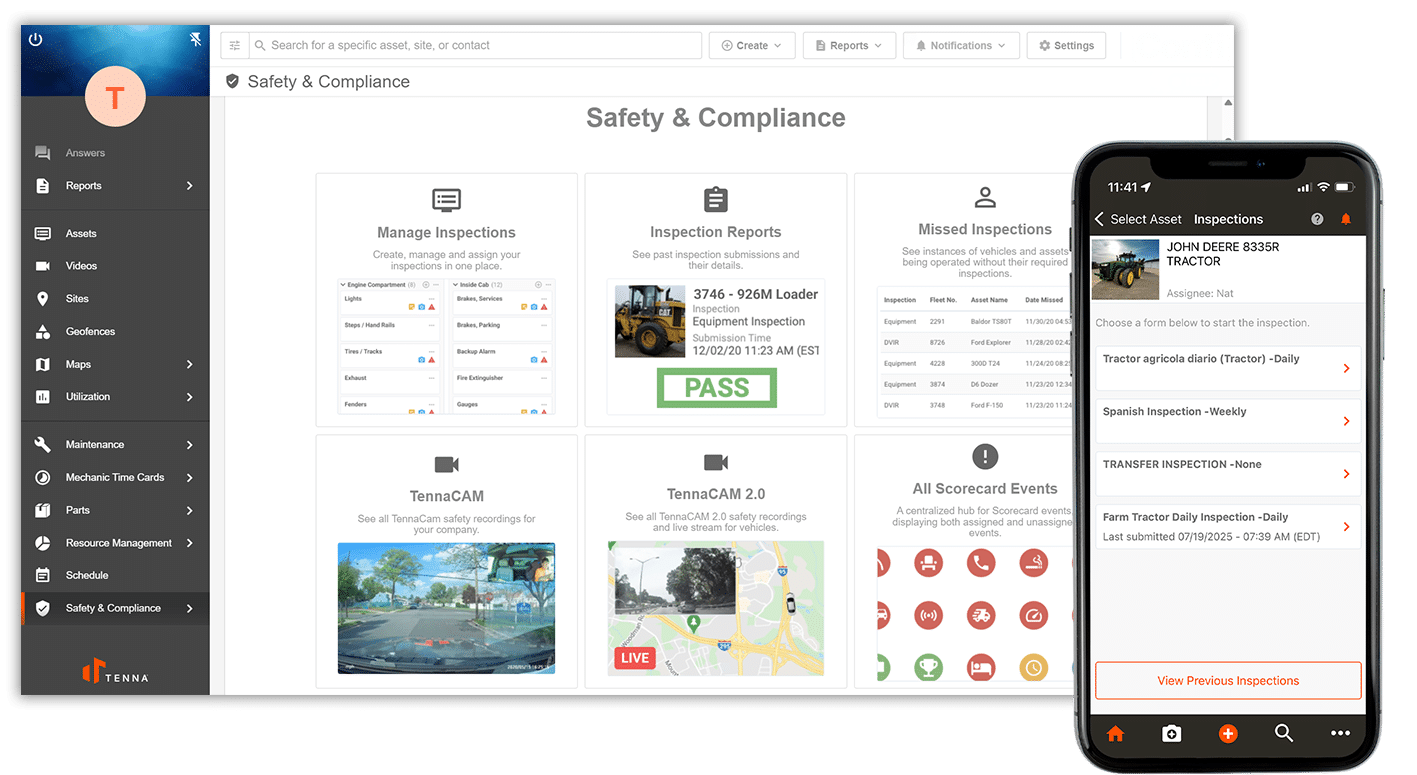
Credit: www.tenna.com
Evaluating System Integration
Evaluating system integration is key to choosing the right fleet management system. It ensures smooth operations and reduces errors. Integration helps different tools and teams work together effectively. This part focuses on how the new system fits with current software and how data flows between departments.
Compatibility With Existing Software
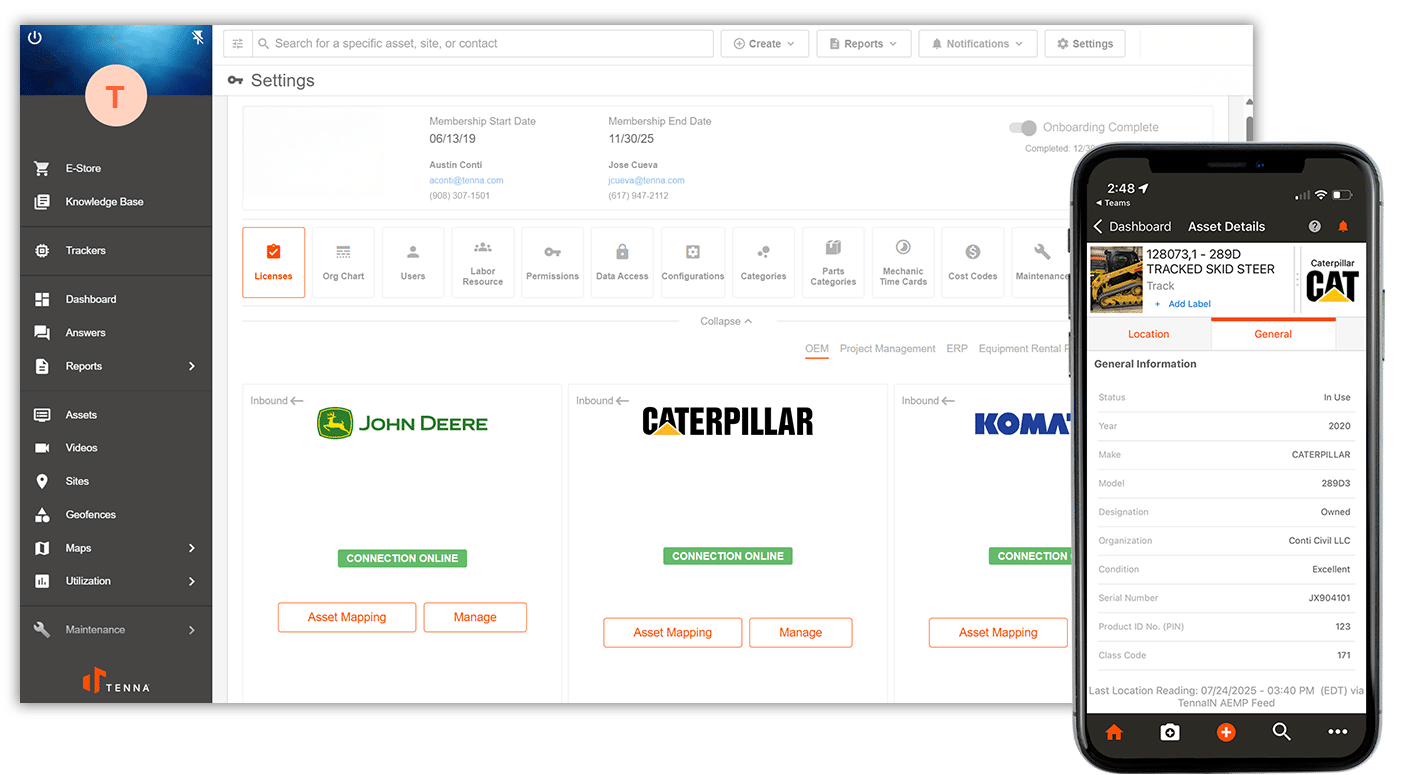
Check if the fleet system works with your current software. This includes accounting, project management, and HR tools. Compatibility avoids extra work and saves time. Look for systems that support common file formats and APIs. Confirm the system can connect without causing disruptions. A compatible system helps keep all tools in sync.
Data Sharing Across Departments
Data sharing is vital for teamwork in construction. The fleet system should allow easy access to information for all departments. This helps in scheduling, maintenance, and reporting. See if the system offers role-based access to protect sensitive data. Good data sharing reduces mistakes and improves decision-making. It keeps everyone updated with real-time information.
Assessing User Experience
Assessing user experience is vital when choosing a fleet management system for construction tech. A system easy for operators to use boosts productivity and reduces errors. The interface should be intuitive and clear for all team members.
Mobile accessibility plays a key role as many workers are on the move. Operators need quick access to fleet data on smartphones or tablets. The system must work smoothly on various devices and network conditions.
Training and support resources ensure users can learn the system fast. Good support helps solve problems quickly and keeps the fleet running. Look for systems offering clear guides, tutorials, and responsive help teams.
Ease Of Use For Operators
The system should have a simple and clean design. Operators need to find information without confusion. Controls must be straightforward, with clear labels and buttons.
- Minimal steps to complete tasks
- Logical menu structure
- Clear notifications and alerts
Easy systems reduce the chance of mistakes and speed up work.
Mobile Accessibility
Construction teams often work outdoors and on different sites. Mobile access lets operators check vehicle status anytime. The system should load quickly on phones and tablets.
- Responsive design for all screen sizes
- Offline mode for areas with poor signal
- Push notifications for important updates
Mobile access keeps the fleet connected and informed in real time.
Training And Support Resources
Good training materials help users get started fast. Support should be easy to reach and helpful. Look for:
- Video tutorials and user manuals
- Live chat or phone support
- Regular updates and system improvements
Strong support reduces downtime and builds user confidence.
Analyzing Cost And Roi
Assessing the cost and return on investment (ROI) of a fleet management system is critical before making any commitment. You need to look beyond just the upfront price and consider how the system will impact your overall operational costs and productivity. This approach helps ensure your investment drives real value for your construction projects.
Initial Investment And Licensing Fees
The first cost you’ll encounter is the initial investment, which often includes hardware, software, and setup fees. Some systems charge a one-time fee, while others use a subscription or licensing model that requires ongoing payments. Check if there are additional costs for training your team or integrating with other software you already use.
Don’t forget to ask about hidden fees. For example, some providers charge extra for updates, support, or adding more vehicles to your fleet. Understanding these costs upfront can prevent surprises that throw off your budget.
Long-term Savings And Efficiency Gains
Think about how the system will save money over time. A good fleet management solution can reduce fuel consumption, lower maintenance expenses, and minimize downtime by tracking vehicle health and usage. These savings often add up quickly and improve your project timelines.
You should also consider how the system boosts efficiency. Automated scheduling, real-time GPS tracking, and driver behavior monitoring can make your fleet more productive and safer. Have you calculated how much time and money improved efficiency could save your team monthly?
Evaluating cost versus ROI isn’t just about numbers. It’s about how the system fits your specific needs and supports your business goals. Ask yourself: Will this investment help you avoid costly delays and improve decision-making on your job sites?
Security And Data Privacy
Security and data privacy are critical when choosing a fleet management system for construction tech. Your fleet generates a lot of sensitive information—from vehicle locations to maintenance records. Protecting this data ensures your operations run smoothly without risking leaks or breaches that could cost time and money.
Data Encryption Standards
Check if the system uses strong data encryption both in transit and at rest. Encryption scrambles data so unauthorized users can’t read it, even if they intercept it. Look for systems that comply with recognized standards like AES-256 or TLS 1.2 and above.
Imagine your fleet data traveling over public networks without encryption—it’s like sending sensitive documents in an open envelope. Encryption prevents hackers from stealing details like driver behavior or route information. Ask the vendor about their encryption protocols and whether they update them regularly.
User Access Controls
Not everyone on your team should have the same level of access to fleet data. User access controls let you set permissions based on roles, limiting who can view or edit information. This reduces the risk of accidental changes or malicious actions.
For example, drivers might only need access to vehicle schedules, while managers require full reporting capabilities. A system with multi-factor authentication adds an extra layer of security by verifying users with more than just a password. How often do you review who has access to your fleet data? Regular audits help catch unauthorized access early.
Industry-specific Considerations
Assessing fleet management systems for construction technology requires a focus on industry-specific needs. Construction sites have unique challenges and rules. The right system must address these to improve efficiency and safety. Understanding these factors helps choose a system that fits construction workflows perfectly.
Compliance With Construction Regulations
Construction fleets must follow strict rules. These include safety standards, environmental laws, and vehicle operation limits. A good fleet management system tracks compliance automatically. It can alert managers about inspections, certifications, and driver qualifications. This reduces legal risks and avoids costly fines.
Systems that update with changing regulations offer long-term value. They keep your fleet operations aligned with government standards. This is critical for maintaining a good reputation and smooth project delivery.
Adaptability To Construction Site Challenges
Construction sites are dynamic and often harsh environments. Fleet management systems must handle rough terrain and weather conditions. They should support real-time tracking even in low-signal areas. This ensures constant communication with vehicles and operators.
Flexibility is key. The system should integrate with other construction tools like project management software. It should allow easy updates for fleet size changes or new equipment types. Such adaptability improves decision-making and resource allocation on site.
Vendor Reputation And Support
Choosing the right fleet management system for your construction projects goes beyond features and price. Vendor reputation and support often determine how smoothly your operations will run after purchase. Reliable vendors provide not only quality products but also consistent assistance when challenges arise.
Customer Reviews And Case Studies
Customer reviews reveal real-world experiences you won’t find in brochures. Look for detailed feedback about system reliability, ease of use, and vendor responsiveness.
Case studies offer deeper insights into how similar construction companies benefited. They show practical applications and measurable results, helping you visualize potential gains.
Ask yourself: Are these success stories aligned with your company’s size and project complexity? If a vendor consistently earns praise from businesses like yours, that’s a strong signal.
Ongoing Technical Support
Technical support is not just about fixing problems; it’s about keeping your fleet management system running efficiently every day. Check if the vendor provides 24/7 support, quick response times, and access to knowledgeable staff.
Consider the availability of training materials, updates, and troubleshooting guides. These resources can save your team time and reduce downtime.
Think about how quickly your operations can recover if an issue arises. Would your vendor be there to help immediately, or would you be stuck waiting? Your choice here affects your project’s momentum directly.
Credit: www.tenna.com

Credit: medium.com
Frequently Asked Questions
What Key Features Should I Look For In Fleet Management Systems?
Look for GPS tracking, real-time data, maintenance alerts, fuel management, and user-friendly interfaces. These features improve efficiency and reduce costs.
How Do Fleet Management Systems Benefit Construction Projects?
They optimize vehicle use, enhance safety, reduce downtime, and lower operational costs. This boosts productivity and project timelines.
What Factors Affect The Cost Of Fleet Management Systems?
Costs vary based on system features, fleet size, software type, and integration capabilities. Choose a system that fits your budget and needs.
Can Fleet Management Systems Integrate With Other Construction Tech Tools?
Yes, most systems offer integration with project management and equipment tracking tools. This ensures seamless data sharing and better decision-making.
Conclusion
Assessing fleet management systems takes careful thought and clear goals. Focus on features that match your construction needs. Check ease of use and support options. Think about cost, reliability, and data security too. Testing the system before buying helps avoid mistakes.
Good fleet management saves time and cuts expenses. Choose a system that grows with your business. Smart choices lead to smoother, safer work sites. Keep these tips in mind to find the best solution.