How to Be a Ct Tech: Essential Steps for a Thriving Career
Have you ever wondered what it takes to become a CT Tech? You might be picturing yourself in a white lab coat, using advanced technology to help diagnose patients.
But how do you get there? You’ll discover the steps to enter this rewarding field. Imagine the satisfaction of knowing you’re playing a crucial role in patient care. We’ll break down the skills, education, and certifications you’ll need. Plus, you’ll learn how this career can offer stability and growth.
Let’s delve into what it truly takes to be a CT Tech and make an impact in healthcare.
Ct Tech Role Basics
Understanding the basics of the CT tech role is essential if you’re considering this career path. A CT technologist plays a crucial part in medical imaging, helping doctors diagnose and treat patients accurately. Knowing what the job entails, where you’ll work, and what skills you need can help you decide if this role fits your goals and interests.
Key Responsibilities
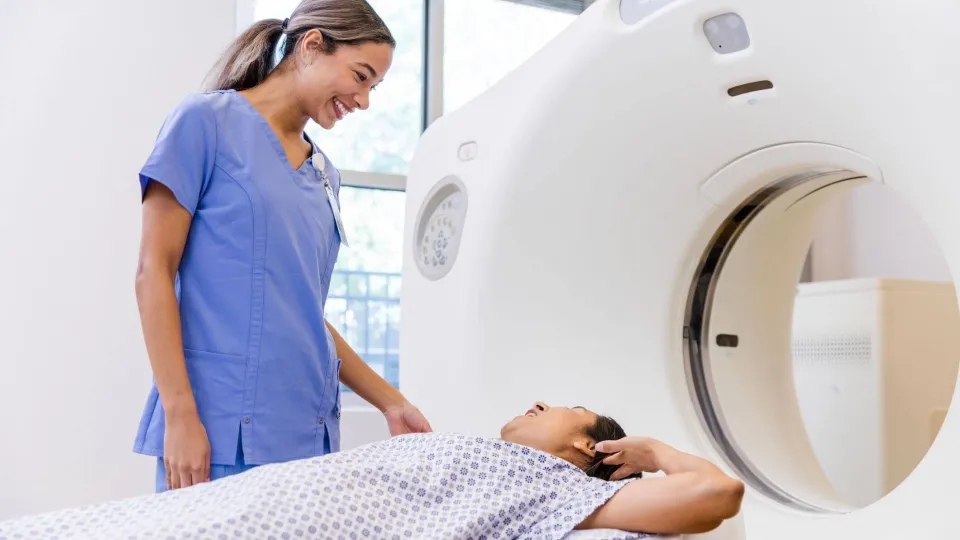
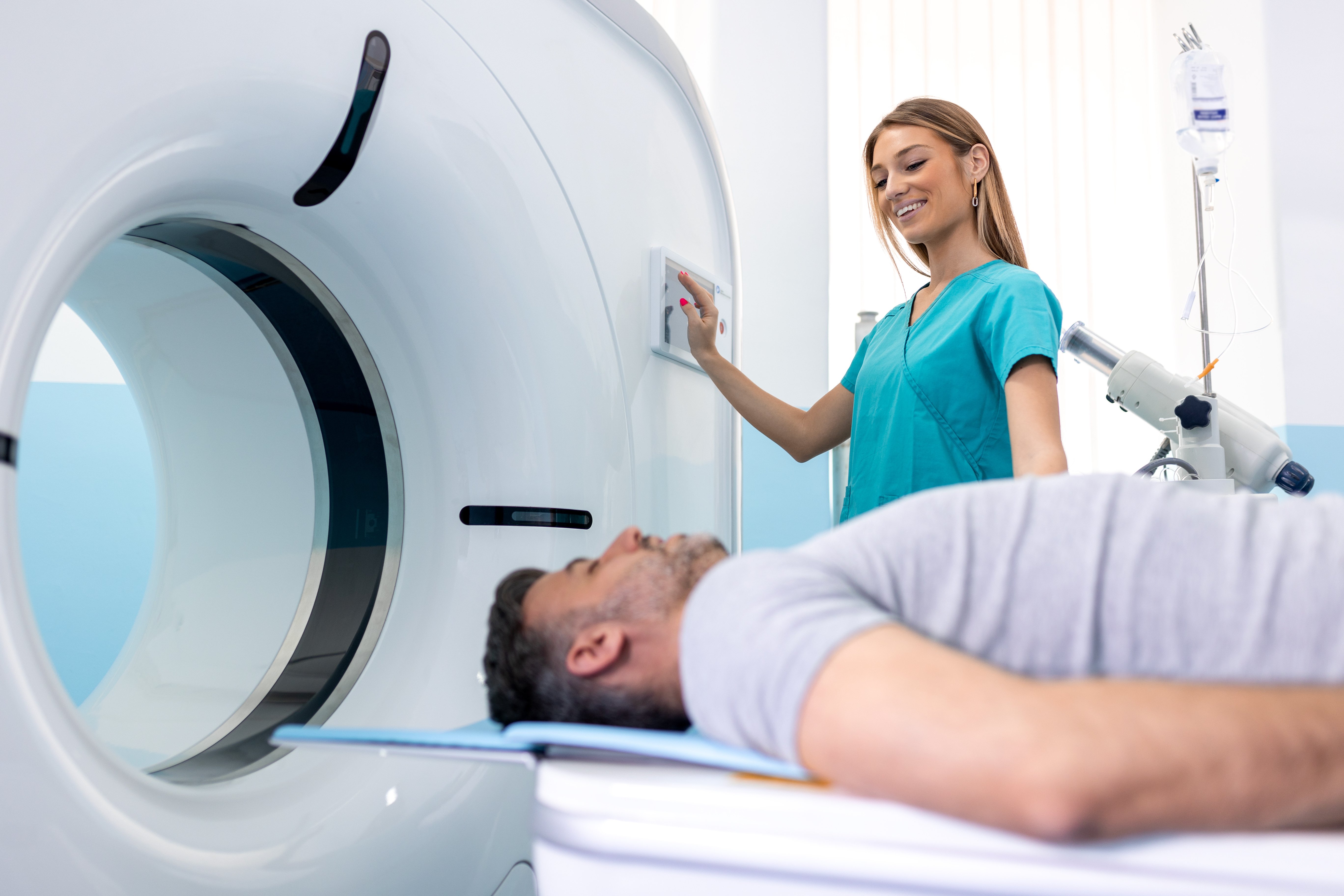
As a CT tech, you operate advanced imaging equipment to create detailed pictures of a patient’s body. You prepare patients for scans by explaining procedures and ensuring they feel comfortable. You must also adjust machine settings to capture the best images while keeping radiation exposure as low as possible.
Beyond operating machines, reviewing images for quality and identifying any issues is part of your job. You’ll collaborate closely with radiologists and other healthcare professionals to provide accurate diagnostic information. Attention to detail and patient care go hand in hand in this role.
Work Environment
CT technologists typically work in hospitals, outpatient clinics, or diagnostic imaging centers. The work environment can be fast-paced, especially in emergency settings, but some clinics offer a more predictable schedule. You’ll spend much of your time standing and moving around to assist patients and operate equipment.
The role often requires you to handle patients of all ages and health conditions. This variety keeps the job interesting but also demands strong communication skills and empathy. How comfortable are you working with different types of patients and handling urgent situations?
Required Skills
Technical skills are a must—you need to understand how to use CT scanners and related software confidently. You also require strong problem-solving skills to troubleshoot equipment issues or adjust protocols based on patient needs. Accuracy is critical because the images you produce directly impact patient care.
Good interpersonal skills help you ease patient anxiety and work effectively with medical teams. Time management is another essential skill; you must handle multiple patients efficiently without sacrificing quality. Are you ready to balance technical know-how with compassionate patient interaction every day?
Education Pathways
Becoming a CT tech requires a solid educational foundation. This career needs both technical skills and medical knowledge. The education pathways vary based on your goals and time availability. Understanding degree options, certification programs, and continuing education is key. These steps prepare you for a successful role in computed tomography technology.
Degree Options
Several degree programs prepare students for CT tech roles. An associate degree in radiologic technology is common. It usually takes two years to complete. Some choose a bachelor’s degree for deeper study. These programs cover anatomy, patient care, and imaging technology. Hands-on training with CT machines is part of the curriculum. Completing a degree helps meet state licensing requirements.
Certification Programs
Certification shows employers you have the needed skills. The American Registry of Radiologic Technologists (ARRT) offers a CT certification. Candidates must have a valid radiologic technologist license first. The certification exam tests knowledge of CT procedures and safety. Many employers require or prefer certified CT techs. Certification can improve job prospects and salary potential.
Continuing Education
Technology changes quickly in medical imaging. Continuing education keeps skills current and sharp. Many states require CT techs to complete ongoing training. Courses cover new techniques, equipment, and safety standards. This education may include workshops, seminars, or online classes. Staying updated ensures high-quality patient care and career growth.
Licensing And Certification
Licensing and certification are key steps in becoming a skilled CT technologist. They show employers and patients that you meet industry standards and have the expertise to operate complex imaging equipment safely. Getting certified also boosts your confidence and opens doors to better job opportunities.
Certification Bodies
Several organizations offer certification for CT technologists, but the American Registry of Radiologic Technologists (ARRT) is the most recognized. The ARRT certification proves you have met rigorous educational and ethical standards. Other bodies, like the Nuclear Medicine Technology Certification Board (NMTCB), also provide relevant certifications depending on your career focus.
Choosing the right certification body depends on your career goals and where you plan to work. Employers often prefer ARRT certification because it is widely accepted and respected.
Exam Preparation
Preparing for the CT certification exam requires a clear plan and consistent study habits. Use official study guides, practice tests, and review courses to understand the exam format and key topics. Focus on areas like anatomy, patient care, radiation safety, and CT procedures.
Try forming a study group or finding a mentor who has passed the exam. They can share practical tips and help clarify difficult concepts. How much time you dedicate to preparation can make a big difference in your confidence and success.
Maintaining Credentials
Certification isn’t a one-time event; you must maintain your credentials by completing continuing education credits and adhering to professional ethics. The ARRT, for example, requires renewal every two years along with proof of ongoing learning.
Staying current with the latest technology and techniques not only keeps your license valid but also improves your job performance. What steps will you take to keep your skills sharp and credentials active?
Gaining Practical Experience
Gaining practical experience is essential for becoming a skilled CT tech. It helps you apply what you learn in school to real-world settings. Hands-on experience builds confidence and improves your technical skills. It also helps you understand patient care better. Without practice, it is hard to excel in this field.
Clinical Internships
Clinical internships offer direct exposure to CT technology in medical settings. Interns work under supervision and learn how to operate CT machines. They observe procedures and assist with patient positioning. This experience teaches safety protocols and image quality standards. Internships often last several weeks or months. They provide a chance to network with professionals and gain valuable feedback.
Entry-level Jobs
Entry-level jobs help develop your skills further after internships. These roles may include CT tech assistant or radiology aide positions. They involve tasks like preparing patients and maintaining equipment. Working in a hospital or imaging center builds familiarity with the workflow. You can practice communication and teamwork skills daily. These jobs improve your resume and increase job opportunities.
Skill Development
Continuous skill development is key to success as a CT tech. Practice scanning techniques and learn new software tools. Attend workshops or online courses to stay updated. Focus on areas like radiation safety and patient care. Develop problem-solving and critical thinking skills. Regular practice ensures precision and efficiency during scans. Strong skills lead to better patient outcomes and career growth.
Job Search Strategies
Searching for a CT tech job requires more than just submitting applications. You need focused strategies that highlight your skills and make you stand out. The right approach can turn a tough job hunt into a rewarding opportunity.
Resume Tips
Your resume is the first impression you give to employers. Make sure it clearly lists your certifications, technical skills, and relevant experience.
Use bullet points to show your accomplishments, such as operating specific CT machines or managing imaging protocols. Quantify your impact where possible, like improving scan accuracy or reducing patient wait times.
Keep your resume concise and avoid jargon. Tailor it for each job by including keywords from the job description. Have someone else review it to catch errors or unclear phrases.
Interview Preparation
Interviews test both your knowledge and how you communicate it. Practice answering common questions about safety procedures, patient care, and technology troubleshooting.
Prepare examples that demonstrate your problem-solving skills. Think about a time you handled a difficult scan or improved workflow—sharing these stories shows you’re ready for real-world challenges.
Dress professionally and arrive early. Remember, asking insightful questions about the team and equipment shows genuine interest and can set you apart.
Networking Opportunities
Connecting with professionals in your field opens doors you might not find through job boards. Attend local healthcare conferences or CT technology workshops to meet peers and mentors.
Join online forums and social media groups focused on radiologic technology. Engaging in discussions can increase your visibility and provide valuable job leads.
Consider reaching out directly to CT techs or managers at facilities you want to work for. A polite message expressing your enthusiasm and asking for advice can lead to unexpected opportunities.
Credit: www.concorde.edu
Advancing Your Career
Advancing your career as a CT tech means growing your skills and taking on new challenges. It involves learning more about the field and stepping into roles with greater responsibility. This growth can make your work more fulfilling and open doors to better job opportunities.
Specializations
Specializing allows you to focus on a specific area of CT technology. You could work with cardiac imaging, neuro CT, or pediatric scans. Each specialization requires unique skills and knowledge. It helps you stand out and makes your work more interesting.
Continuing Education
Continuing education keeps your skills sharp and up to date. Many CT techs take courses or attend workshops. Certifications and training help maintain your license. Learning new techniques improves the quality of your work and patient care.
Leadership Roles
Leadership roles bring new challenges and rewards. You might lead a team of techs or manage a department. These roles develop your communication and decision-making skills. Leadership positions often come with higher pay and more influence in your workplace.
Challenges In The Field
Working as a CT tech involves several challenges that test skills and patience daily. Understanding these difficulties helps prepare for the role and stay effective. The job demands precision, quick thinking, and emotional strength. Handling these challenges improves performance and job satisfaction.
Common Obstacles
CT techs face technical problems with machines and software. Equipment may malfunction or need frequent updates. Patient cooperation can vary, causing delays or poor image quality. Working with sick or anxious patients requires extra care and communication. Meeting strict deadlines and managing a high workload adds pressure. These obstacles require problem-solving and adaptability.
Stress Management
Stress is common in this fast-paced environment. Long shifts and urgent cases increase tension. Taking short breaks helps clear the mind and reduce fatigue. Deep breathing exercises calm nerves during busy times. Talking to coworkers offers support and shared experiences. Keeping a positive mindset helps maintain focus and energy.
Work-life Balance
Balancing work hours with personal life is tough for CT techs. Shift work can disrupt normal routines and sleep patterns. Setting boundaries between work and home life is important. Planning activities outside work refreshes the mind and body. Prioritizing rest and hobbies prevents burnout. A healthy balance leads to better job performance and happiness.

Credit: www.moffitt.org
Future Trends For Ct Techs
The field of CT technology is evolving rapidly. New tools and methods change how CT techs work every year. Staying updated with trends helps techs grow and succeed. The future holds many possibilities in technology and career paths.
Technological Advances
CT machines are becoming faster and more precise. New software helps create clearer images with less radiation. Artificial intelligence supports techs by detecting issues early. Portable CT scanners increase access to patients in remote areas. Continuous learning is key to handling new equipment and software.
Job Market Outlook
Demand for CT techs grows as healthcare expands. Aging populations need more diagnostic imaging services. Hospitals and clinics seek skilled techs to improve patient care. Job stability remains strong, with many full-time positions available. Certification and experience increase job opportunities and pay.
Emerging Opportunities
CT techs can specialize in areas like cardiac or neurological imaging. Telemedicine offers chances to assist doctors remotely with scans. Research roles allow techs to work on new imaging techniques. Teaching positions open for experienced techs to train others. Leadership roles in imaging departments become available with experience.
Credit: www.favoritestaffing.com
Frequently Asked Questions
What Qualifications Do I Need To Be A Ct Tech?
To become a CT technologist, you typically need an associate’s degree or a certificate in radiologic technology and a valid state license. You must also complete a training program approved by the Joint Review Committee on Education in Radiologic Technology (JRCERT).
What Skills Do I Need To Be Successful As A Ct Tech?
To succeed as a CT technologist, you need strong communication and interpersonal skills, the ability to work well under pressure, and a basic understanding of medical imaging and radiation safety principles. Attention to detail and technical skills are also essential.
Is A Career As A Ct Tech Rewarding?
As a CT technologist, you have the opportunity to make a positive impact on patients’ lives by providing high-quality imaging services. Your work can contribute to accurate diagnoses and effective treatments, making it a rewarding career choice for those who enjoy working in healthcare.
Can I Specialize In A Specific Area Of Ct Technology?
Yes, you can specialize in areas like computed tomography (CT) scanning, magnetic resonance imaging (MRI), or nuclear medicine. Specializing can lead to advanced career opportunities and higher salaries.
Conclusion
Becoming a CT tech takes focus and hard work. Complete the right education and training first. Gain hands-on experience to build your skills. Stay curious and keep learning new techniques. This career offers chances to help others every day. Take each step with care and confidence.
Your dedication will lead to success in this field. Keep your goals clear and stay motivated. The path to becoming a CT tech is within reach.

Similar Posts