
How to Become a Ct Tech in Texas: Ultimate Step-by-Step Guide
Are you ready to start a rewarding career in healthcare? Becoming a CT tech in Texas can open doors to exciting job opportunities and a stable future.
But how do you get there? What steps do you need to take to become skilled, certified, and ready for the job? You’ll find clear, simple guidance to help you turn your goal into reality. Keep reading to discover exactly what you need to know to become a CT tech in Texas and take the first step toward a new career.

Credit: sites.austincc.edu
Educational Requirements
Understanding the educational requirements is crucial if you want to become a CT Tech in Texas. This role demands a mix of formal education and hands-on training to ensure you’re fully prepared to operate complex imaging equipment safely and effectively. Knowing what educational steps to take can save you time and set you on the right path quickly.
High School Diploma And Prerequisites
Your journey begins with a high school diploma or GED. Focus on science courses like biology, chemistry, and physics—they build a good foundation for CT technology. Math skills, especially in algebra, also come in handy when dealing with imaging protocols and radiation calculations.
Some programs may require you to complete specific prerequisite courses before enrollment. It’s a good idea to check the requirements of the programs you’re interested in early. Have you checked if your high school coursework aligns with those prerequisites?
Choosing Accredited Ct Tech Programs
Not all CT tech programs offer the same quality of education. Look for programs accredited by the Joint Review Committee on Education in Radiologic Technology (JRCERT). Accreditation ensures the program meets industry standards and prepares you adequately for certification exams.
Many community colleges and technical schools in Texas offer accredited CT tech programs. You can also find programs that combine radiologic technology with specialized CT training, which might be more efficient. How important is program reputation to you when making your choice?
Courses And Training Focus
CT tech programs typically include courses on anatomy, patient care, radiation physics, and cross-sectional imaging techniques. Expect a mix of classroom instruction and clinical practice. Hands-on training in a clinical setting is essential—it’s where you learn to operate CT scanners and interact with patients.
Some courses will dive deep into radiation safety and image evaluation, helping you minimize risks while ensuring image quality. Programs often require you to complete a set number of clinical hours. Are you ready to commit time to both study and practical experience?
Certification And Licensing
Certification and licensing are essential for becoming a CT tech in Texas. These credentials prove your skills and knowledge. They also ensure patient safety and meet state requirements. Understanding the certification and licensing steps helps you start your career with confidence.
National Certification Options
National certification shows you meet industry standards. The American Registry of Radiologic Technologists (ARRT) offers the most common certification. To earn it, you must complete an approved CT program and pass the ARRT exam. Other options include the Nuclear Medicine Technology Certification Board (NMTCB) for specialized CT roles.
Certifications may require continuing education to keep your skills current. Choose a certification that fits your career goals and training background.
Texas State Licensing Process
Texas requires CT techs to hold a state license. The Texas Medical Board manages this license. You must apply online and submit proof of national certification. Additional steps include:
- Complete a criminal background check
- Pay the licensing fee
- Provide proof of education and training
After approval, the state issues your license. This license allows you to work legally in Texas as a CT technologist.
Maintaining Certification And Licensure
Keeping your credentials active is crucial. Both the ARRT and Texas Medical Board require renewal every two years. Requirements often include:
- Completing continuing education courses
- Submitting renewal applications on time
- Maintaining ethical standards
Stay organized to avoid gaps in your certification and license. This ensures you keep working without interruptions.
Gaining Practical Experience
Gaining practical experience is essential to become a CT tech in Texas. Hands-on skills help build confidence and improve your understanding of CT technology. Experience also prepares you to handle real-world challenges in medical imaging.
Clinical Rotations And Internships
Clinical rotations offer direct patient care experience. During rotations, you learn to operate CT machines and follow safety protocols. Internships provide a chance to work under experienced technologists. These programs often take place in hospitals or imaging centers. They help you apply classroom knowledge in a real setting.
On-the-job Training Opportunities
On-the-job training allows you to learn while working. Many employers offer training for new CT techs. You gain skills like patient positioning and image capturing. This training also teaches how to maintain equipment. It builds your ability to work independently and efficiently.
Building A Professional Portfolio
A professional portfolio showcases your skills and experience. Include certifications, clinical hours, and letters of recommendation. Add examples of CT images you have taken, if allowed. A strong portfolio helps in job interviews and career growth. Keep it updated with new skills and achievements.

Credit: www.adventhealth.com
Job Search Strategies
Searching for a CT Tech job in Texas requires smart strategies. The job market can be competitive. Using effective techniques will increase your chances of success. Focus on presenting your skills clearly and building strong connections. Preparing well for interviews also helps secure the position you want.
Crafting A Strong Resume And Cover Letter
Your resume should highlight your CT Tech training and experience. Use clear, simple language to describe your skills and duties. Tailor your resume to each job by including relevant keywords. Keep it to one or two pages to keep attention. A cover letter gives you a chance to explain why you fit the job well.
- Use bullet points to list skills and achievements.
- Include certifications and licenses specific to Texas.
- Show your experience with different CT equipment.
- Mention your ability to work with patients professionally.
Networking In The Medical Imaging Field
Connections often open doors in healthcare jobs. Join local and online groups for CT Techs and radiology professionals. Attend workshops, conferences, or job fairs in Texas. Talk to instructors from your training program. Stay active on professional sites like LinkedIn. Networking helps you learn about unadvertised job openings.
Interview Tips For Ct Tech Positions
Prepare to answer questions about your technical skills and patient care. Practice explaining CT procedures clearly and confidently. Dress professionally and arrive early for the interview. Bring extra copies of your resume and certifications. Show your interest in the workplace and willingness to learn. Ask questions about the team and technology used.
Advancing Your Career
Advancing your career as a CT tech in Texas means more than just gaining experience on the job. It involves actively seeking ways to expand your knowledge, refine your skills, and connect with others in the field. Taking charge of your professional growth can open doors to higher-paying roles, leadership positions, and specialized areas of practice.
Continuing Education Options
Staying current with new technology and protocols is crucial. You can enroll in online courses or attend workshops offered by accredited institutions. Many hospitals and imaging centers also provide in-house training programs that can help you earn continuing education credits needed for certification renewal.
Ask yourself: are you setting aside time regularly to update your skills? Even a few hours a month can make a big difference in your expertise and confidence.
Specializing In Advanced Imaging Techniques
Specializing can set you apart in the competitive Texas healthcare market. Consider training in areas like cardiac CT, neuro CT, or pediatric imaging. These specialties often require additional certifications but can lead to roles with more responsibility and better pay.
Think about which imaging techniques interest you most. Focusing your efforts there can make your daily work more engaging and rewarding.
Professional Associations And Resources
Joining professional associations such as the American Society of Radiologic Technologists (ASRT) or the Texas Society of Radiologic Technologists connects you to a valuable network. These groups offer resources like job boards, mentorship programs, and conferences that keep you informed and inspired.
Have you reached out to peers or mentors in these associations? Building relationships can provide support and open unexpected career opportunities.
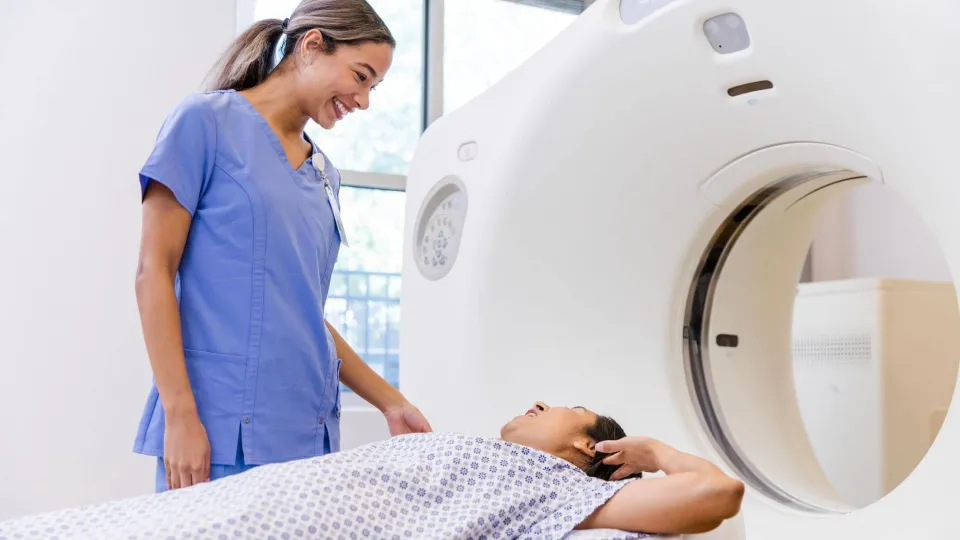
Credit: www.concorde.edu
Frequently Asked Questions
What Are The Basic Requirements To Become A Ct Tech In Texas?
To become a CT tech in Texas, you need a high school diploma, completion of an accredited radiologic technology program, and certification in CT imaging. Texas also requires state licensure through the Texas Medical Board.
How Long Does Ct Tech Training Take In Texas?
CT tech training typically takes 1-2 years after completing a radiologic technologist program. You must complete specialized CT courses and clinical hours to qualify for certification.
Is Certification Mandatory For Ct Techs In Texas?
Yes, certification is mandatory. The American Registry of Radiologic Technologists (ARRT) certification in CT is required to work legally as a CT tech in Texas.
What Is The Average Salary Of A Ct Tech In Texas?
The average salary for a CT tech in Texas ranges from $60,000 to $75,000 annually, depending on experience, location, and employer.
Conclusion
Becoming a CT tech in Texas is a rewarding path. Start with the right education. Choose a program that fits your goals. Pass necessary exams. Gain the required certifications. Experience matters, so seek opportunities to learn on the job. Stay updated with new technologies.
Networking can open doors. Connect with professionals in the field. Remember, dedication and hard work pay off. Your efforts lead to a fulfilling career. Helping patients daily brings satisfaction. Texas offers great opportunities for CT techs. Embrace the journey and enjoy the process.
Your future in healthcare awaits.