Is Being a Radiology Tech Dangerous? Uncover the Truth Today
Have you ever wondered if being a radiology tech puts your health at risk? You might think working with X-rays and other imaging tools is dangerous.
But how much danger is there really? If you’re considering this career or just curious, it’s important to know what risks you might face—and how to stay safe. Keep reading to uncover the truth about the safety of working as a radiology tech and what you need to watch out for.
Your health and peace of mind depend on it.

Credit: www.tiktok.com
Radiology Tech Role
The role of a radiology technician is essential in healthcare. They use imaging technology to help doctors diagnose and treat patients. Their work involves handling machines like X-rays, CT scanners, and MRIs. Radiology techs must be precise and careful in their duties. Safety and accuracy are key parts of their job to protect patients and themselves.
Daily Responsibilities
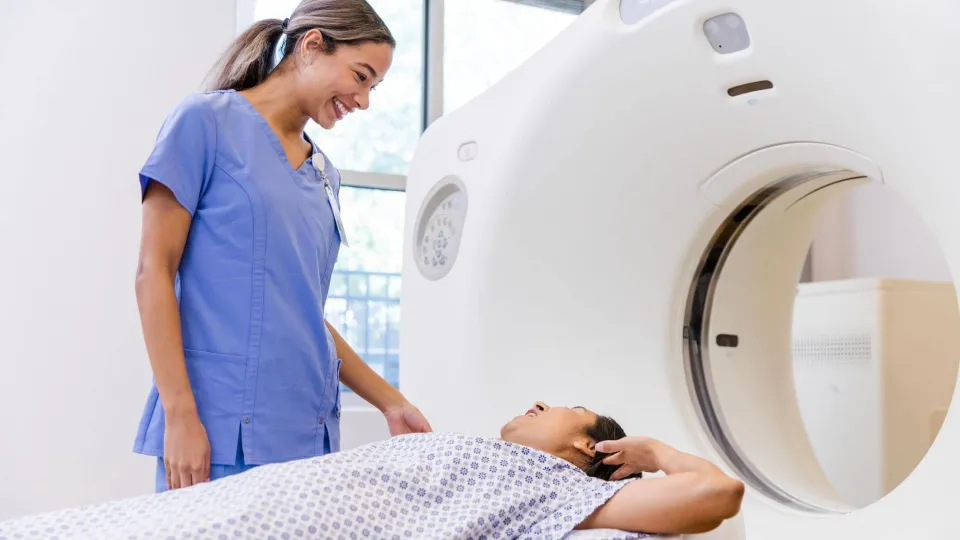
Radiology techs prepare patients for imaging tests. They explain procedures clearly and ensure patients are comfortable. Operating imaging machines accurately is a daily task. They position patients correctly to get clear images. After scans, techs check images for quality. Maintaining equipment and keeping records also belong to their routine. They follow strict safety rules to limit radiation exposure.
Work Environment
Radiology techs work in hospitals, clinics, and imaging centers. These places have controlled environments to keep everyone safe. The job requires standing for long periods and moving patients. Protective gear like lead aprons is common to reduce risk. The area is often quiet, allowing focus on detailed tasks. Teamwork with doctors and nurses happens regularly. The environment balances patient care with technical precision.
Radiation Exposure Risks
Radiation exposure is a key concern for radiology techs, but understanding the risks helps you manage them effectively. The type and amount of radiation you encounter vary by task and environment. Knowing the limits and safety protocols can protect your health without compromising your work quality.
Types Of Radiation
As a radiology tech, you mainly deal with ionizing radiation. This includes X-rays and gamma rays, which can penetrate body tissues and cause cellular damage if exposure is too high. Non-ionizing radiation, like ultrasound waves, is generally safer and used in different imaging techniques.
Each type of ionizing radiation has different energy levels and penetration depths. For example, X-rays used in chest imaging have lower energy than those in CT scans, meaning your exposure risk varies by procedure. Are you aware of which procedures expose you to higher doses?
Safety Limits
Regulatory agencies set strict exposure limits to keep you safe. The Occupational Safety and Health Administration (OSHA) and Nuclear Regulatory Commission (NRC) recommend annual dose limits, which are carefully monitored. Your workplace should provide dosimeters that track your radiation exposure in real time.
Using protective gear like lead aprons, shields, and barriers reduces exposure significantly. Simple habits, such as stepping behind a shield during imaging, can protect you from unnecessary radiation. Have you made these safety practices a routine part of your day?
Safety Measures In Place
Radiology techs work with radiation daily. Safety is a top priority to protect them and patients. Strict measures reduce exposure risks. These safety steps keep the workplace safe and healthy.
Protective Gear
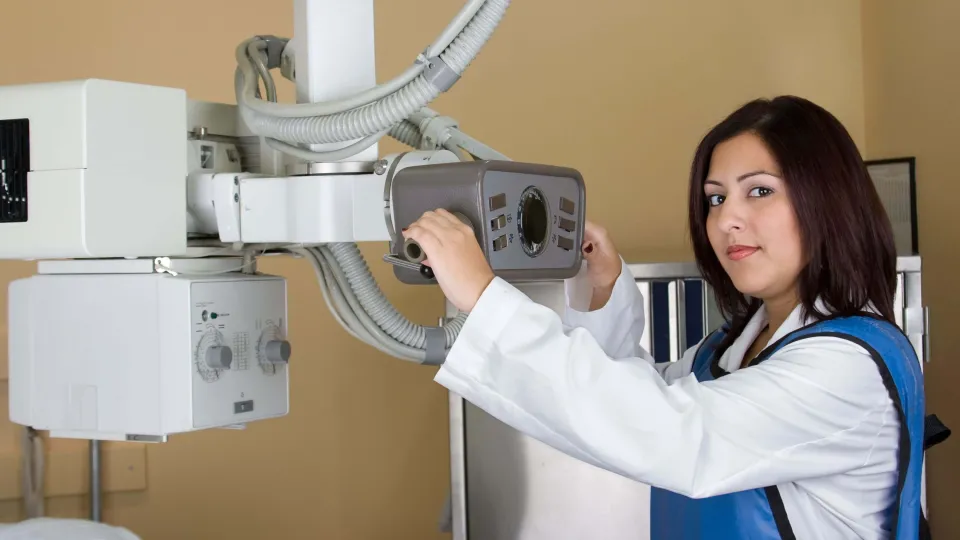
Radiology techs wear special gear to block radiation. Lead aprons cover vital organs. Lead gloves protect the hands during procedures. Thyroid shields guard the neck area. This gear limits radiation exposure effectively.
Equipment Technology
Modern machines use advanced technology to reduce radiation doses. Digital imaging requires less radiation than older methods. Machines have built-in safety features to monitor exposure. This technology helps keep radiation levels as low as possible.
Regulatory Standards
Government agencies set strict rules for radiation safety. Regular inspections ensure compliance with these standards. Techs must follow safety protocols strictly every day. Training programs keep staff updated on best practices. These regulations protect workers and patients alike.

Credit: www.instagram.com
Health Effects On Techs
Radiology technicians face unique work conditions that may affect their health. Understanding these effects helps weigh the risks of this career. Health issues can arise from exposure to radiation and the physical demands of the job. Both short-term and long-term effects deserve careful attention.
Short-term Effects
Exposure to radiation, even in small amounts, can cause immediate symptoms. These may include:
- Skin irritation or redness
- Fatigue and headaches
- Nausea or dizziness
- Eye strain from constant screen use
Physical strain also impacts techs. Lifting patients and standing for long periods can cause muscle pain and joint discomfort.
Long-term Effects
Repeated radiation exposure can increase the risk of serious health problems. These include:
- Increased chance of cancer, especially leukemia and thyroid cancer
- Damage to organs like the liver or lungs
- Chronic musculoskeletal issues from poor posture or heavy lifting
- Possible fertility problems
Long-term stress may also affect mental health, causing anxiety or burnout.
Case Studies
Studies show mixed outcomes for radiology techs. One report found higher cancer rates in some groups, linked to radiation exposure.
Another study noted many techs experience chronic back pain due to physical demands.
Research highlights the importance of safety gear and strict protocols. Proper shielding and regular health checks reduce risks.
Training And Certification
Training and certification are key to becoming a skilled and safe radiology tech. Proper education ensures understanding of medical imaging and patient care. Certification confirms knowledge and ability to perform tasks safely. Both steps help reduce risks linked to the profession.
Education Requirements
Radiology techs must complete formal education. Most attend accredited programs offering associate or bachelor’s degrees. Courses cover anatomy, radiation physics, and imaging techniques. Hands-on clinical experience is part of the training. This practical exposure prepares students for real work settings.
Graduates must pass national exams to earn certification. These tests assess technical skills and safety knowledge. Many employers require certification for hiring. Ongoing education is often needed to keep skills current.
Safety Training
Safety training is essential to protect techs and patients. It teaches how to handle radiation properly. Radiology techs learn to use shielding and limit exposure time. They follow strict protocols to avoid unnecessary radiation.
Training also covers emergency procedures and equipment maintenance. Techs learn to identify and reduce risks. This training helps create a safer work environment. Safety knowledge lowers the chance of accidents and health problems.
Credit: www.concorde.edu
Comparing Risks To Other Jobs
Assessing job risks helps understand workplace safety better. Every job carries some risk, but levels vary widely. Comparing radiology tech risks to other jobs gives a clear picture. It shows how safe or risky this role really is.
Healthcare Roles
Healthcare jobs often expose workers to health hazards and physical strain. Nurses face risks from lifting patients and infections. Surgeons deal with sharp instruments and long hours. Radiology techs work with radiation but use strong safety rules. Their risk is lower compared to some frontline roles.
- Nurses risk infections and back injuries often.
- Surgeons face needle sticks and long surgeries.
- Radiology techs handle radiation with protective gear.
- All healthcare workers face stress and fatigue.
Non-healthcare Roles
Jobs outside healthcare can also be risky. Construction workers face falls and heavy machinery hazards. Factory workers handle dangerous equipment daily. Office jobs have low physical risk but may cause stress. Compared to these, radiology techs encounter fewer accidents but must avoid radiation exposure.
- Construction work includes falls and heavy lifting risks.
- Factory jobs may cause injuries from machines.
- Office jobs have low physical risk but high stress.
- Radiology techs focus on radiation safety.
Myths Vs Reality
Many people think being a radiology tech is very risky. Myths about radiation and health dangers spread quickly. It is important to separate myths from reality. Understanding the truth helps make better career choices.
Common Misconceptions
- Radiology techs get exposed to harmful radiation all the time.
- Working with X-rays causes serious health problems.
- Protective gear is not enough to keep techs safe.
- Only doctors and nurses face health risks in hospitals.
These ideas make the job seem scary. But most are not true.
Expert Opinions
Experts say radiation levels for techs are very low. Safety rules keep exposure well below harmful limits. Protective shields and modern machines reduce risks further. Techs wear badges that monitor radiation daily.
Training teaches safe handling of equipment. Hospitals follow strict safety standards. Regular checks ensure all machines work properly. Experts agree working as a radiology tech is safe with proper care.
Tips For Staying Safe
Staying safe is key for radiology techs. They work with radiation daily. Safety tips help reduce risks and protect health. These tips focus on careful habits and constant checks. Following them keeps techs safe at work.
Best Practices
- Always wear lead aprons and shields during scans.
- Use dosimeters to track radiation exposure levels.
- Keep distance from radiation sources whenever possible.
- Follow proper machine operation procedures every time.
- Limit exposure time around active equipment.
- Maintain clear communication with patients to avoid mistakes.
- Ensure rooms have proper warning signs and barriers.
- Practice correct patient positioning to reduce retakes.
Ongoing Monitoring
- Regularly check radiation badges for exposure history.
- Attend safety training sessions and update knowledge often.
- Report any safety concerns or equipment issues immediately.
- Keep medical exams up to date to detect early effects.
- Review safety protocols frequently to stay informed.
- Work closely with safety officers for best practices.
Frequently Asked Questions
Is Working As A Radiology Tech Risky?
Radiology techs face minimal risk due to strict radiation safety protocols. Proper training and protective equipment reduce exposure significantly. Following guidelines ensures a safe work environment.
How Do Radiology Techs Protect Themselves From Radiation?
They use lead aprons, shields, and dosimeters to monitor exposure. Strict adherence to safety standards and regular equipment checks minimize radiation risks. Proper positioning and technique also help protect them.
What Health Risks Do Radiology Techs Face?
Long-term exposure to radiation may increase cancer risk if safety measures fail. However, consistent use of protective gear keeps risks very low. Regular health monitoring helps detect any issues early.
Can Radiology Techs Work Safely With Modern Technology?
Yes, advances in imaging technology reduce radiation doses and improve safety. Digital imaging and automation limit exposure times. Continuous training ensures techs use equipment safely and effectively.
Conclusion
Working as a radiology tech involves some risks, but safety measures help. Protective gear, proper training, and modern equipment reduce exposure. Regular checks and following protocols keep techs safe. Knowledge and awareness are key. Techs understand the importance of safety and act responsibly.
By staying informed, they manage risks effectively. Health and safety guidelines evolve with technology. These advancements ensure better protection for radiology techs. Safety is a priority, always. So, while challenges exist, they are manageable. With care, radiology techs work in a secure environment.
Their role remains crucial in healthcare, balancing risk and reward.