What Can You Do With a Header Board for Tech: Unlock Innovation Fast
Have you ever wondered how a simple header board can transform your tech projects? Whether you’re building a custom device, organizing complex wiring, or designing a sleek control panel, a header board can be your secret weapon.
It’s not just a piece of hardware; it’s a tool that can save you time, reduce errors, and make your work look professional. You’ll discover exactly what a header board is, how you can use it, and why it might be the missing link in your tech setup.
Ready to unlock new possibilities for your projects? Keep reading to find out how a header board can work for you.
Credit: mcuoneclipse.com
Role Of Header Boards In Tech
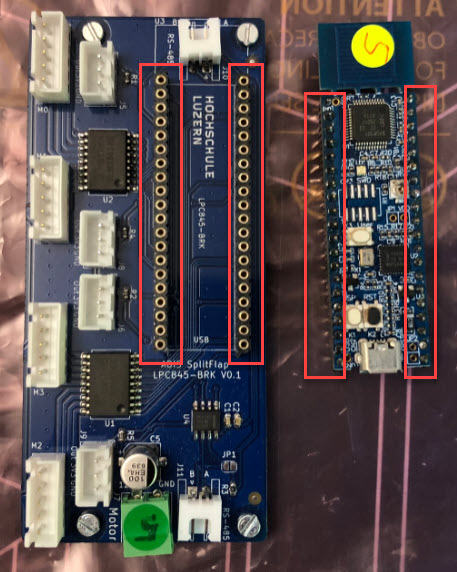
Header boards play a key role in many tech devices. They act as a bridge between components. This helps different parts work together smoothly. These boards manage signals and power flow within devices. Their design affects device performance and reliability.
Core Functions
Header boards connect multiple components in a system. They handle data transfer between chips and modules. Many also supply power to attached parts. Some boards include protection circuits to prevent damage. They organize wiring to reduce errors and noise.
Types Of Header Boards
- Standard Headers:Simple pins for basic connections.
- Stackable Headers:Allow boards to be stacked vertically.
- Right-Angle Headers:Fit connections at 90 degrees.
- Shrouded Headers:Provide extra protection and guide connectors.
Integration With Devices
Header boards enable easy device assembly and upgrades. They support plug-and-play features for quick setup. Many microcontrollers and sensors use header boards to connect. This allows developers to test and swap parts fast. Headers also help maintain signal integrity in devices.
Accelerating Innovation
Accelerating innovation is crucial in technology development. Header boards play a key role in speeding up this process. They offer practical solutions to test ideas fast and efficiently. This helps developers move from concept to product quickly. Using header boards reduces obstacles in the design phase and supports quick changes. The result is faster progress and improved creativity.
Rapid Prototyping
Header boards allow quick assembly of circuits and components. This helps developers create working models fast. Testing ideas early shows if a design works or needs change. It saves time by catching problems before full production. Rapid prototyping encourages trying new ideas without heavy costs or delays.
Simplifying Complex Designs
Complex electronic designs can be hard to build at once. Header boards break down these designs into smaller parts. Developers can test each part separately with ease. This approach reduces errors and makes debugging simpler. It also allows easy swaps of components during testing. Simplifying designs helps teams work more confidently and efficiently.
Reducing Development Time
Header boards reduce the time spent on wiring and soldering. Developers focus on testing functionality instead of building hardware. It also helps in reusing parts for different projects quickly. This cuts down delays caused by hardware setup. Faster hardware testing means software can be developed sooner. Overall, development cycles become shorter and more productive.
Applications Across Industries
Header boards play a crucial role across many industries. They connect different parts of electronic systems to make devices work properly. Their versatility allows use in various fields, each with unique needs and challenges.
These boards help improve device performance and reliability. They support complex circuits and enable easy upgrades or repairs. Many industries rely on header boards to build efficient, compact, and cost-effective technology.
Consumer Electronics
In consumer electronics, header boards link components inside smartphones, tablets, and laptops. They allow easy connection between screens, batteries, and processors. This helps reduce device size while maintaining strong performance.
Header boards also support fast data transfer and power management. They make assembling and repairing devices easier and faster. Their use improves the overall user experience and product lifespan.
Automotive Technology
Automotive systems depend on header boards for safety and control functions. These boards connect sensors, control units, and displays in vehicles. They help manage engine performance, braking, and navigation.
Header boards also withstand harsh conditions like heat and vibration. This durability ensures vehicles run smoothly and safely. They support the growing use of smart and electric cars.
Healthcare Devices
Healthcare devices use header boards to connect sensors and processors. These boards enable portable diagnostic tools and patient monitors. They help gather accurate data for better health decisions.
Header boards in medical devices must meet strict quality and safety standards. They ensure reliable operation in critical environments. Their compact design supports wearable and handheld health technology.
Choosing The Right Header Board
Choosing the right header board is key to building a reliable tech setup. It affects how well your components work together and how smoothly your system runs. Picking the correct board saves time and avoids compatibility problems.
Consider several important points before making a choice. Each factor helps you find a header board that fits your technical needs and budget.
Compatibility Factors
Check if the header board matches your device’s specifications. Look at the connector types and pin layouts to ensure they fit. Confirm that the board supports the voltage and signals your devices require. Compatibility avoids damage and ensures smooth operation.
Performance Considerations
Think about the speed and data transfer rates the header board offers. Higher performance boards handle complex tasks better. Also, consider the board’s durability and build quality. Good performance leads to stable and efficient tech projects.
Cost And Availability
Compare prices from different suppliers to find a good deal. Some header boards may be expensive but offer more features. Check stock availability to avoid long waits. Balance cost with quality to get value for your investment.
Tips For Effective Use
Using a header board for tech projects can enhance your device’s performance and organization. Applying simple tips helps you avoid errors and extend the board’s life. These guidelines ensure smooth assembly, quick problem-solving, and lasting use.
Best Practices In Assembly
- Check all pins and connectors before starting.
- Use a steady hand to avoid bending pins.
- Secure the board on a non-conductive surface.
- Follow the schematic or manual precisely.
- Double-check connections to prevent shorts.
- Use proper tools like tweezers and small screwdrivers.
- Keep your workspace clean and well-lit.
Troubleshooting Common Issues
- Test connections with a multimeter for continuity.
- Look for bent or missing pins carefully.
- Ensure power supply matches board requirements.
- Check for loose solder joints or cold soldering.
- Replace damaged connectors immediately.
- Consult the board’s datasheet for error codes.
- Reset the system to clear minor faults.
Maximizing Board Lifespan
- Avoid exposing the board to moisture or dust.
- Store in anti-static bags when not in use.
- Keep the board away from extreme temperatures.
- Handle with care to prevent physical damage.
- Use surge protectors to avoid electrical spikes.
- Regularly inspect for signs of wear or corrosion.
- Clean gently with a soft brush or compressed air.

Credit: www.reddit.com

Credit: www.instagram.com
Frequently Asked Questions
What Is A Header Board In Tech?
A header board is a circuit board that connects various electronic components. It simplifies wiring and enhances device functionality. It is commonly used in prototyping and hardware projects.
How Does A Header Board Improve Tech Projects?
Header boards allow easy connections and modifications. They reduce wiring errors and save time in assembling circuits. This makes projects more efficient and reliable.
Can Header Boards Be Customized For Specific Uses?
Yes, header boards can be tailored to fit unique project needs. Customization includes pin layout, size, and connector types. This flexibility supports diverse technical applications.
What Types Of Header Boards Are Available?
Common types include single-row, double-row, and shrouded headers. Each type suits different connection requirements and device setups. Choosing the right type enhances performance.
Conclusion
A header board for tech offers diverse creative possibilities. It can boost project efficiency. It connects various components easily. This tool simplifies complex tasks. Tech enthusiasts find it indispensable. Innovators use it for new ideas. It’s versatile and user-friendly. Beginners find it helpful for learning.
Professionals appreciate its advanced features. Its compact design saves space. Consider adding it to your toolkit. Enhance your tech projects with a header board. Explore its potential and discover new solutions. It’s a valuable resource for every tech lover.

Similar Posts