What Does a Nuclear Medicine Tech Do: Key Roles Explained
Have you ever wondered what happens behind the scenes when you get a nuclear medicine scan? If you’re curious about how doctors see inside your body without surgery, understanding the role of a nuclear medicine tech is key.
These professionals use special technology to help detect diseases early and guide treatment. You’ll discover exactly what a nuclear medicine tech does, why their work matters, and how it might even impact your health journey. Keep reading to uncover the vital role they play in modern medicine.
Role In Patient Care
Nuclear medicine technologists play a vital role in patient care. They ensure patients understand and feel comfortable during procedures. Their work combines technical skill with compassion. This helps patients receive accurate diagnoses and safe treatments.
Preparing Patients For Procedures
Technologists explain the procedure clearly and simply. They answer patient questions to ease fears. Preparing patients includes checking medical history and allergies. They make sure patients follow fasting or medication rules. This careful preparation helps get accurate test results.
Administering Radiopharmaceuticals
Technologists give patients small amounts of radioactive material. They choose the right dose based on the test. This material helps highlight organs or tissues in images. Technologists use precise techniques to inject or give the radiopharmaceutical safely. They watch patients closely during this process.
Monitoring Patient Safety
Patient safety is a top priority for nuclear medicine technologists. They monitor vital signs and watch for reactions. Technologists use protective measures to limit radiation exposure. They follow strict guidelines to keep patients and staff safe. Clear communication helps patients stay calm and cooperative.

Credit: www.facebook.com
Imaging Techniques
Nuclear medicine technologists use several advanced imaging techniques to help diagnose and treat diseases. These methods rely on radioactive materials to produce detailed pictures of the inside of your body. Understanding these imaging techniques gives you a clearer idea of how they contribute to patient care and medical decisions.
Pet Scans
Positron Emission Tomography (PET) scans show how your tissues and organs function in real time. A nuclear medicine tech injects a small amount of radioactive tracer into your body, which emits positrons detected by the scanner.
The images produced help doctors identify abnormal metabolic activity, such as cancer or brain disorders. Have you ever wondered how doctors see beyond just the shape of an organ to its actual function? PET scans provide that vital insight.
Spect Scans
Single Photon Emission Computed Tomography (SPECT) scans are similar to PET but use different radioactive tracers and imaging technology. They help visualize blood flow and activity in your brain, heart, and bones.
Nuclear medicine techs carefully position you and ensure the tracer distributes correctly before capturing images. This technique is often used to detect heart disease or evaluate bone abnormalities, offering practical information your doctor needs to make informed decisions.
Gamma Camera Usage
The gamma camera is a key tool in nuclear medicine for capturing images after the tracer is administered. It detects the gamma rays emitted from the radioactive material inside your body and translates them into pictures.
Nuclear medicine techs operate the gamma camera with precision, adjusting settings to get clear images. Have you noticed how these images can reveal hidden problems that other scans might miss? This makes gamma cameras essential for accurate diagnosis and effective treatment planning.
Equipment Management
Nuclear medicine technologists handle complex equipment daily. Proper equipment management ensures accurate imaging and patient safety. They work with sensitive instruments that require regular care and checks. Managing this equipment helps produce clear diagnostic images. It also prevents errors during scanning procedures.
Calibrating Instruments
Calibration keeps instruments precise and reliable. Technologists adjust devices to match standard measurements. This process ensures the accuracy of test results. Regular calibration avoids false readings and misdiagnoses. They follow strict schedules for calibration tasks.
Maintaining Imaging Devices
Imaging devices need constant care for optimal function. Technologists clean and inspect machines before use. They check for mechanical or software issues. Preventive maintenance helps avoid equipment breakdowns. Proper maintenance extends the lifespan of devices.
Ensuring Radiation Safety
Safety is crucial in nuclear medicine. Technologists monitor radiation levels closely. They use protective gear and barriers during scans. Equipment is checked to limit radiation exposure. Following safety rules protects patients and staff alike.
Collaboration With Healthcare Team
Nuclear medicine technologists play a vital role in healthcare teams. Their work supports diagnosis and treatment through imaging and tests. Collaboration with doctors, nurses, and other staff ensures accurate patient care. Clear communication and teamwork help make informed medical decisions quickly. This section explores how nuclear medicine techs work closely with the healthcare team.
Working With Physicians
Nuclear medicine techs assist doctors by preparing and administering radioactive materials. They follow physicians’ instructions for imaging procedures carefully. Techs also ensure patient safety during tests. They provide the necessary images and data doctors need. This close teamwork helps physicians diagnose illnesses accurately.
Communicating Results
Techs deliver clear, precise information about imaging results. They explain any unusual findings to doctors and nurses. This communication helps the medical team understand patient conditions better. Nuclear medicine techs also keep detailed records for future reference. Their reports guide doctors in planning patient care.
Supporting Diagnostic Decisions
By producing high-quality images, techs aid in diagnosis. They help detect diseases like cancer, heart problems, and infections early. Nuclear medicine techs provide vital information that shapes treatment plans. Their role supports doctors in making accurate, timely decisions. Together, they improve patient outcomes and care quality.
Training And Certification
Becoming a nuclear medicine technologist requires specific training and certification. This ensures they handle radioactive materials safely and provide accurate diagnostic images. The path involves formal education, passing licensing exams, and ongoing learning.
Educational Requirements
A nuclear medicine tech usually completes an associate’s degree in nuclear medicine technology. Some pursue a bachelor’s degree for advanced knowledge. Coursework includes anatomy, physiology, radiation safety, and patient care. Clinical experience is a key part of training to work with patients and equipment.
Licensing Exams
After education, passing a certification exam is necessary. The Nuclear Medicine Technology Certification Board (NMTCB) offers a common exam. This test checks knowledge of radiation safety, imaging procedures, and anatomy. Passing the exam allows the tech to work legally in most states.
Continuing Education
Technology and safety rules change often. Nuclear medicine technologists must take continuing education courses regularly. This keeps their skills current and ensures patient safety. Many employers require annual training updates to maintain certification.
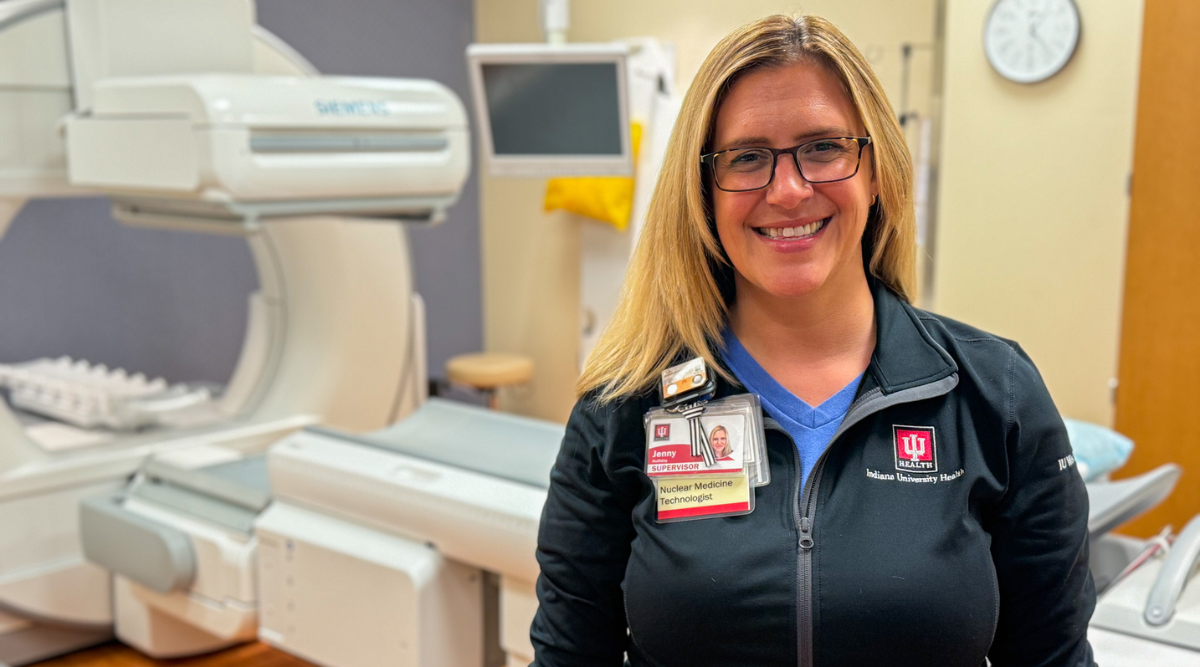
Credit: iuhealth.org
Challenges And Rewards
The role of a nuclear medicine tech comes with unique challenges and great rewards. This job demands both technical skill and a caring attitude. The work environment involves handling sensitive materials and working closely with patients. Despite the difficulties, many find the career fulfilling and full of growth opportunities.
Handling Radiation Exposure
Nuclear medicine techs work with radioactive substances daily. Safety is the top priority to limit exposure. They follow strict protocols and wear protective gear. Regular monitoring ensures radiation stays within safe limits. Proper training helps techs manage risks effectively. This vigilance protects both the tech and patients.
Patient Interaction
Techs often meet patients feeling nervous or unwell. Clear communication helps ease patient fears. Explaining procedures simply builds trust and comfort. Patience and kindness make a big difference. Techs support patients before, during, and after scans. This human connection is a rewarding part of the job.
Career Growth Opportunities
The field offers many chances to advance skills. Techs can specialize in areas like PET or SPECT imaging. Additional certifications increase job options and salary potential. Some move into teaching, research, or management roles. Continuous learning keeps the work interesting and fresh. This career path supports long-term professional growth.
Credit: medicine.careers360.com
Frequently Asked Questions
What Are The Main Duties Of A Nuclear Medicine Tech?
A nuclear medicine tech prepares and administers radioactive drugs. They operate imaging equipment to capture internal body images. They assist doctors in diagnosing and treating diseases accurately.
How Does A Nuclear Medicine Tech Ensure Patient Safety?
They follow strict radiation safety protocols and monitor dosage carefully. They educate patients about the procedure and handle radioactive materials responsibly. Their goal is minimizing radiation exposure while ensuring diagnostic quality.
What Qualifications Are Needed To Become A Nuclear Medicine Tech?
Typically, an associate’s degree in nuclear medicine technology is required. Certification from a recognized board improves job prospects. Strong knowledge of anatomy, chemistry, and radiation safety is essential.
What Types Of Imaging Do Nuclear Medicine Technologists Perform?
They perform PET, SPECT, and gamma camera imaging. These scans show organ function and detect abnormalities. Each imaging type uses specific radioactive tracers for precise results.
Conclusion
Nuclear medicine techs play a vital role in healthcare. They use advanced equipment to diagnose diseases. Their skills ensure accurate imaging. This helps doctors make informed decisions. Patients receive better care due to their expertise. Their work is crucial for early detection.
It can lead to effective treatments. They also ensure patient safety during procedures. Their dedication supports medical advancements. These professionals contribute significantly to patient health. Pursuing this career offers rewarding experiences. It combines science with patient care. Nuclear medicine techs make a real difference.
Their impact on lives is profound and meaningful.

Similar Posts