What Does a Surgical Tech Do: The Unsung Heroes of the Operating Room
Have you ever wondered who helps make surgeries run smoothly behind the scenes? If you’ve ever been curious about the people working alongside surgeons, you’re in the right place.
A surgical tech plays a vital role in the operating room, but what exactly do they do? Understanding their job can give you a new appreciation for the teamwork that keeps patients safe. Keep reading, and you’ll discover how these skilled professionals prepare tools, assist during procedures, and help save lives every day.
Your questions about a surgical tech’s role are about to be answered.

Credit: www.healthtechacademy.org
Role In The Operating Room
The role of a surgical tech in the operating room is crucial and highly dynamic. You might think their job is limited to handing over tools, but their responsibilities go far beyond that. They create the foundation for a smooth surgical process, directly affecting patient safety and surgical success.
Preparing The Surgical Environment
Before surgery begins, a surgical tech meticulously prepares the operating room. This includes sterilizing equipment and arranging surgical instruments so everything is within easy reach. Imagine setting up a workspace where every second counts—this preparation helps prevent delays and keeps the procedure running efficiently.
They also check that all machines and monitors are functioning properly. If something isn’t right, it’s their job to fix it or alert the team immediately. Have you ever considered how much time can be lost if the environment isn’t perfectly prepared?
Assisting Surgeons During Procedures
During surgery, surgical techs stay alert and responsive. They anticipate the surgeon’s needs by passing instruments and supplies without hesitation. This requires deep knowledge of each procedure and excellent communication skills.
They also help manage surgical sponges, needles, and other materials, ensuring nothing is misplaced. Missing even one item can cause serious complications. Your focus and precision in this role can make all the difference in patient outcomes.
Handling Surgical Instruments
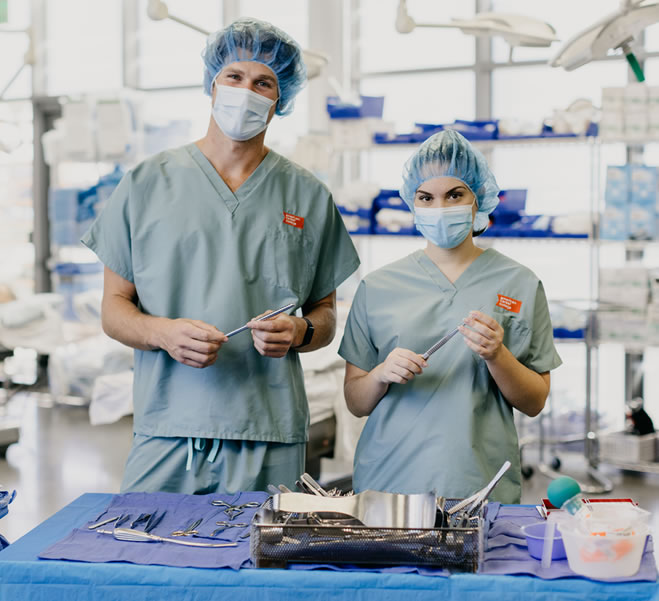
Handling surgical instruments is more than just handing them over. Surgical techs are responsible for cleaning, sterilizing, and inspecting instruments before and after use. This prevents infections and keeps the tools in perfect condition for the next surgery.
Each instrument has a specific purpose, and knowing which to use at the right time speeds up the procedure. Have you ever noticed how well-organized tools can reduce stress in a high-pressure situation? That’s exactly the environment a surgical tech strives to create.
Credit: americancareercollege.edu
Training And Certification
Training and certification form the backbone of a surgical technologist’s career. Without the right education and credentials, you won’t be allowed to assist in the operating room. These steps ensure you are prepared to handle instruments, maintain a sterile environment, and support the surgical team effectively.
Educational Requirements
To become a surgical tech, you typically need a postsecondary certificate or an associate degree. Many community colleges and technical schools offer programs that last between 9 months and 2 years.
These programs combine classroom learning with hands-on clinical experience. You’ll study anatomy, microbiology, and medical terminology, alongside practical skills like sterilization and instrument handling. Have you considered how much time you want to spend learning before you start working?
Certification Process
Certification shows employers you meet industry standards. The most recognized credential is the Certified Surgical Technologist (CST) certification, offered by the National Board of Surgical Technology and Surgical Assisting (NBSTSA).
To earn the CST, you must graduate from an accredited program and pass a comprehensive exam. The test covers everything from surgical procedures to safety protocols. Passing this exam can increase your job prospects and earning potential.
Continuing Education
Certification isn’t a one-time achievement. To keep your CST status, you need to complete continuing education every few years. This ensures you stay updated on new surgical techniques and safety standards.
Continuing education can come in many forms, such as workshops, online courses, or attending conferences. Are you ready to commit to ongoing learning to keep your skills sharp and your certification valid?
Daily Responsibilities
Understanding the daily responsibilities of a surgical tech reveals how crucial they are in the operating room. Their tasks go beyond simply passing instruments—they ensure every step runs smoothly and safely. Let’s look closer at what a typical day involves and how these duties impact patient care and surgical outcomes.
Sterilization And Safety
Maintaining a sterile environment is one of the most important jobs of a surgical tech. You will prepare surgical instruments by cleaning and sterilizing them to prevent infections. This requires strict attention to detail and following established protocols without exception.
During surgery, you monitor the sterile field to avoid contamination. If you notice any breach in sterility, quick action is necessary to protect the patient. Think about how much depends on your vigilance to keep everyone safe in such a high-stakes setting.
Inventory Management
Keeping track of surgical supplies is another key responsibility. You’ll check inventory levels before and after procedures, making sure everything is stocked and ready for the next case. Running out of essential tools mid-surgery isn’t an option, so your role here is critical.
Sometimes you’ll need to reorder supplies or report equipment malfunctions. This proactive approach helps avoid delays and supports the surgical team’s efficiency. Have you ever thought about how unseen tasks like these keep the operating room running like clockwork?
Patient Interaction
Although surgical techs spend most of their time behind the scenes, patient interaction is part of the job. You might help position the patient on the operating table or explain what to expect before anesthesia. These moments can ease patient anxiety and build trust.
During surgery, you support the team by anticipating needs and responding quickly. Your calm presence contributes to a positive atmosphere that benefits both patients and coworkers. How might your ability to communicate compassionately make a difference in such stressful moments?
Challenges Faced
Surgical technologists face many challenges every day in the operating room. Their role demands precision, speed, and focus. The environment is intense and requires quick thinking. Understanding these challenges helps appreciate their important work.
High-pressure Situations
Surgical techs work under constant pressure. Surgeries can change quickly and without warning. They must respond fast to support the surgeon. Mistakes can have serious consequences. This creates a stressful but critical work setting.
Physical Demands
Long hours standing is common for surgical techs. They wear heavy protective gear during operations. Moving and lifting equipment requires strength. Fatigue can build up after several procedures. Physical fitness helps handle these daily demands.
Emotional Resilience
Watching surgeries and patient outcomes affects emotions. Surgical techs see life-and-death moments regularly. Staying calm and focused is essential. They must manage stress without showing it. Emotional strength keeps the team steady in tough times.
Impact On Patient Outcomes
The role of a surgical tech directly influences how well patients recover after surgery. Their actions in the operating room affect safety, speed, and precision, all of which impact patient outcomes. Understanding these effects helps you appreciate the critical nature of their work.
Reducing Infection Risks
Surgical techs maintain a sterile environment to prevent infections. They carefully sterilize instruments and ensure that all surgical tools are handled with strict hygiene. This vigilance lowers the chance of post-surgery infections, which can delay healing or cause serious complications.
Have you ever wondered how a small mistake in handling equipment could affect a patient’s recovery? Surgical techs work to eliminate those risks every day, protecting you or your loved ones during surgery.
Enhancing Surgical Efficiency
Efficiency during surgery means less time under anesthesia and fewer complications. Surgical techs prepare all necessary instruments ahead of time and anticipate the surgeon’s needs. This readiness helps the surgery proceed smoothly and reduces the overall time spent in the operating room.
Think about the difference a few extra minutes in surgery can make. Surgical techs help minimize those minutes, which can lead to faster recovery and less stress for patients.
Supporting Surgical Teams
Surgical techs act as the backbone of the surgical team, ensuring everything runs seamlessly. They communicate clearly and coordinate with nurses and surgeons, keeping the environment calm and focused. This support helps the team perform at their best, directly benefiting patient care.
Next time you consider a surgical procedure, ask yourself: How important is teamwork to my safety? The surgical tech’s role in that team can be the key to a successful outcome.
Career Opportunities And Growth
The career path of a surgical tech offers a variety of opportunities for growth and specialization. If you’re curious about where this profession can take you, understanding the different roles and advancement options is key. Your skills can open doors to unique positions that match your interests and ambitions.
Specializations Within The Field
Surgical techs can focus on specific types of surgeries or settings, such as:
- Orthopedic surgery
- Cardiovascular surgery
- Neurosurgery
- Emergency or trauma surgery
- Outpatient surgical centers
Choosing a specialization helps you develop expertise that makes you invaluable during complex procedures. Have you thought about which area excites you the most?
Advancement Paths
Your journey doesn’t have to stop at being a surgical tech. Many professionals move into roles like:
- Lead or senior surgical technologist
- Surgical tech instructor or educator
- Operating room manager or coordinator
- Certified Surgical First Assistant (CSFA)
Some even transition into nursing or other healthcare roles with additional education. What skills do you want to build to step up your career?
Job Market Trends
The demand for surgical techs is steadily growing due to advances in medical technology and an aging population. Hospitals and outpatient centers often seek techs who are adaptable and knowledgeable about new equipment.
Remote or telemedicine roles are emerging but remain limited for surgical techs, emphasizing the importance of hands-on skills. How will you keep your knowledge fresh to stay competitive in this evolving market?

Credit: tjc.edu
Frequently Asked Questions
What Are The Main Duties Of A Surgical Tech?
A surgical tech prepares operating rooms, sterilizes instruments, and assists surgeons during procedures. They ensure all tools are ready and help maintain a sterile environment.
How Does A Surgical Tech Support The Surgical Team?
Surgical techs hand instruments to surgeons, manage supplies, and monitor equipment. Their support helps surgeries run smoothly and efficiently.
What Skills Are Essential For A Surgical Tech?
Attention to detail, manual dexterity, and strong communication skills are vital. Surgical techs must work well under pressure and follow strict safety protocols.
What Education Is Required To Become A Surgical Tech?
Typically, a postsecondary certificate or associate degree in surgical technology is needed. Certification improves job prospects and demonstrates professional competence.
Conclusion
Surgical techs play a vital role in operating rooms. They prepare tools, ensure sterilization, and assist surgeons during procedures. Their work helps keep patients safe. Surgical techs need attention to detail and a calm nature. These qualities make them essential in high-pressure situations.
For those interested in healthcare, this career offers rewarding opportunities. With training, anyone can enter this field. It’s a chance to make a real difference in patient care. Consider joining this important medical team if you’re passionate about helping others.
Your contribution can have a lasting impact.