What Does Surgical Tech Do: Essential Roles Uncovered
Have you ever wondered who assists surgeons during those critical moments in the operating room? Behind every successful surgery, there’s a skilled professional ensuring that everything runs smoothly.
That person is a surgical tech. Your curiosity about the role of a surgical tech is valid and deserves attention. Imagine the satisfaction of knowing how this vital team member contributes to life-saving procedures. As you read on, you’ll discover the fascinating responsibilities that make surgical techs indispensable in healthcare.
You’re about to unlock insights into a career that combines precision, teamwork, and the rewarding feeling of making a difference in patients’ lives. Dive in and explore the world of surgical techs—where your understanding of healthcare professionals will deepen and your appreciation for their expertise will grow.
Credit: tjc.edu
Role In The Operating Room
The role of a surgical tech in the operating room is crucial to the success of any surgery. You might think their job is just about handing tools, but it goes far beyond that. They play a vital part in ensuring everything runs smoothly and safely during procedures.
Preparing Surgical Instruments
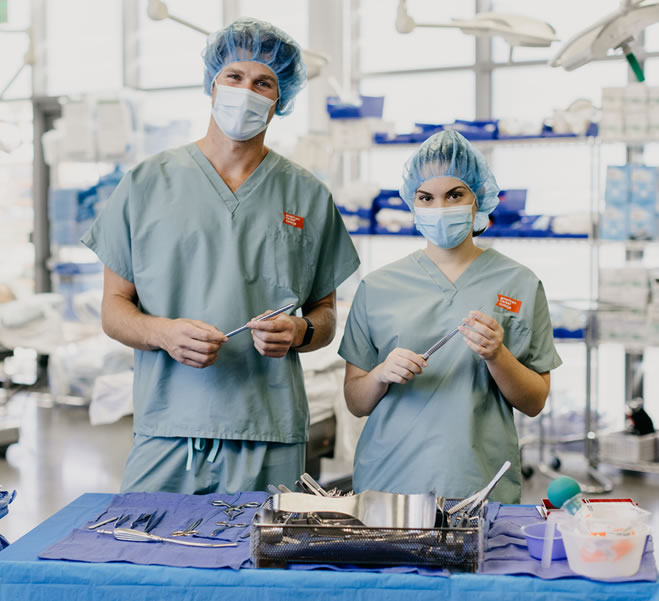
Before surgery starts, surgical techs carefully prepare and organize all the instruments needed. This means checking each tool for cleanliness and functionality. Imagine being the person responsible for making sure every scalpel and clamp is ready—any mistake here can delay the operation or risk patient safety.
They also arrange instruments in a specific order to help surgeons find what they need quickly. Have you ever noticed how fast a surgeon asks for a tool? That speed depends a lot on the surgical tech’s preparation.
Assisting Surgeons During Procedures
During surgery, surgical techs act as the surgeon’s right hand. They pass instruments, hold retractors, and sometimes even help with suturing. Their ability to anticipate the surgeon’s needs can make a huge difference in the procedure’s flow.
Think about how you perform when you have to constantly guess what someone will ask next. Surgical techs train to read the room and react instantly, which keeps the operation efficient and focused.
Maintaining Sterile Environment
Maintaining sterility is one of the most critical tasks surgical techs handle. They ensure that the operating room stays free from germs to prevent infections. This involves following strict protocols for hand washing, wearing sterile gowns, and carefully managing the surgical field.
Have you ever wondered how hospitals keep infections so low despite so many invasive procedures? Surgical techs are on the front line, constantly monitoring and controlling the environment to protect patients.
Preoperative Responsibilities
The preoperative phase is vital for surgical techs. This stage prepares the team and patient for surgery. It demands precision, focus, and teamwork.
Surgical techs handle many tasks before surgery starts. Their work ensures safety and smooth operations. Every detail matters to avoid delays or problems.
Setting Up Operating Room
Surgical techs arrange the operating room carefully. They place sterile drapes and instruments in order. Every tool must be within easy reach of the surgeon.
The room is cleaned and prepared to avoid infection. Lights and machines are positioned for the best view. The environment must be calm and organized.
Reviewing Patient Information
Surgical techs check patient records before surgery. They confirm the patient’s identity and procedure details. This step helps prevent mistakes during the operation.
They also verify allergies and special needs. Clear communication with nurses and doctors is essential. Patient safety is the top priority.
Ensuring Equipment Functionality
All surgical equipment is tested before use. Surgical techs check machines and tools for proper working order. Faulty equipment can cause delays or risks.
They replace or fix any broken items quickly. This keeps the operation on schedule. Reliable equipment supports successful surgeries.
Intraoperative Duties
During surgery, the role of a surgical tech becomes crucial. Their intraoperative duties directly impact the flow and success of the procedure. Staying alert and ready to assist ensures the surgical team can focus on the patient without distractions.
Passing Instruments To Surgeons
Surgical techs must anticipate the surgeon’s needs and pass instruments quickly and accurately. This isn’t just about handing over tools; it requires knowing the procedure inside out. A well-timed instrument can save valuable seconds in critical moments.
Imagine the surgeon asking for a scalpel and you already have it ready. This smooth exchange keeps the operation running without hiccups. Have you ever thought about how much trust this simple act involves?
Monitoring Patient Condition
Although the anesthesiologist primarily monitors the patient, surgical techs keep a close eye on vital signs and any immediate changes. They watch for equipment alerts or unusual bleeding that might need quick attention. Your focus can help catch issues early before they escalate.
Staying vigilant means you’re part of the team safeguarding the patient’s life. How often do you realize that your sharp observation can make a difference in real-time?
Handling Specimens And Samples
Surgical techs are responsible for properly collecting and labeling specimens during the operation. This includes tissue samples or fluids needed for lab analysis. Accuracy here is critical to ensure correct diagnosis and treatment after surgery.
Think about the chain of events following surgery—one mislabeled sample can cause delays or errors in patient care. Your careful handling ensures the next steps run smoothly and the patient gets the right treatment promptly.
Postoperative Tasks
After surgery ends, surgical techs play a key role in post-op tasks. These duties ensure the operating room stays safe and ready for the next case. The work includes cleaning tools, restocking supplies, and documenting details. Each task helps maintain smooth hospital operations and patient safety.
Cleaning And Sterilizing Instruments
Surgical techs carefully clean all instruments after use. They remove blood, tissue, and other debris. Then, they sterilize tools using special machines. This process kills germs and prevents infections. Proper cleaning ensures instruments are safe for future surgeries.
Restocking Supplies
After surgery, techs restock the operating room. They replace used gloves, gowns, and drapes. They also check surgical instruments and materials. Keeping supplies ready helps the team work without delay. It supports a quick turnaround for the next operation.
Documenting Surgical Procedures
Surgical techs record important details of the surgery. They note the instruments used and any issues during the operation. Documentation helps track patient care and hospital inventory. Accurate records are vital for medical teams and legal purposes.
Skills And Qualifications
Surgical technologists play a vital role in the operating room. Their skills and qualifications ensure surgeries run smoothly and safely. These professionals need a mix of technical knowledge, sharp attention to detail, and strong communication skills.
Technical Knowledge
Surgical techs must understand medical instruments and procedures. They prepare and sterilize tools before surgery. Knowing anatomy and surgical steps helps them anticipate the surgeon’s needs. Training programs and certifications build this essential knowledge.
Attention To Detail
Accuracy is critical in surgery. Surgical techs check instruments carefully to avoid errors. They track all supplies and ensure nothing is missing. Small mistakes can cause serious problems. Focus and precision protect patient safety at every stage.
Communication Abilities
Clear communication with the surgical team is key. Techs relay important information quickly and clearly. They listen closely to instructions from surgeons and nurses. Good teamwork helps the operation proceed without delays. Strong communication reduces risks and improves outcomes.

Credit: college.mayo.edu
Career Path And Advancement
A career as a surgical technologist offers a clear path for growth and advancement. Starting with foundational education, professionals can gain skills and knowledge to assist in surgeries. Over time, gaining certifications and exploring specializations can open doors to higher roles and responsibilities. This career path supports steady development and new opportunities.
Educational Requirements
Most surgical techs complete a postsecondary program. These programs usually last from 9 months to 2 years. They cover anatomy, medical terminology, and surgical procedures. Practical training in clinical settings is essential. Some colleges offer associate degrees, which can improve job prospects.
Certification And Licensing
Certification is often required to work as a surgical tech. The Certified Surgical Technologist (CST) credential is widely recognized. Candidates must pass an exam to earn it. Some states also require a license to practice. Maintaining certification requires ongoing education and recertification every few years.
Opportunities For Specialization
Surgical techs can specialize in different areas of surgery. Common specialties include orthopedic, cardiovascular, and neurosurgery. Specializing often requires additional training or experience. It can lead to higher pay and more advanced duties. Some techs move into management or teaching roles within the field.
Credit: americancareercollege.edu
Frequently Asked Questions
What Are The Main Duties Of A Surgical Tech?
Surgical techs prepare operating rooms and equipment. They assist surgeons by handing tools during procedures. They ensure a sterile environment to prevent infections.
How Does A Surgical Tech Support The Surgical Team?
They arrange instruments and supplies before surgery. During operations, they pass necessary tools to the surgeon. They also help with patient positioning and safety.
What Education Is Required To Become A Surgical Tech?
Most surgical techs complete a postsecondary certificate or associate degree program. These programs include classroom instruction and hands-on clinical training.
What Skills Are Essential For A Surgical Tech?
Attention to detail, manual dexterity, and strong communication are key. Surgical techs must work well under pressure and follow strict protocols.
Conclusion
Surgical techs play a vital role in the operating room. They prepare tools and help the surgical team. Their work keeps surgeries safe and smooth. Without them, surgeries would face many challenges. This job needs focus, skill, and teamwork. Many find it rewarding to support patient care this way.
Understanding their duties shows how important they are. Surgical techs help heal and save lives every day.

Similar Posts