What is Tech School: Unveiling Future Innovators
Are you wondering what a tech school is and how it can change your future? Imagine a place where you can learn real skills that employers are looking for—quickly and without years of extra schooling.
Tech schools offer hands-on training in fields like computers, healthcare, and skilled trades. If you want to jumpstart your career or switch to a job that’s in high demand, understanding what tech school is all about could be the key.
Keep reading to discover how this type of education fits your goals and why it might be the perfect choice for you.
Credit: www.technicalcolleges.sa.gov.au
Tech School Basics
Understanding the basics of tech schools can help you decide if this educational path fits your goals. These schools focus on practical skills that prepare you directly for technology-driven careers. Knowing their purpose and the types available will give you a clearer picture of what to expect and how to make the most of your time there.
Purpose And Mission
Tech schools aim to equip students with hands-on skills that employers need right now. Unlike traditional colleges, the focus is on learning by doing, not just theory. This approach helps you enter the workforce quickly with relevant, up-to-date knowledge.
Many tech schools work closely with businesses to keep their programs current. This means the training you get matches real job requirements, increasing your chances of landing a job. Have you thought about how direct skill application could change your learning experience?
Types Of Tech Schools
Tech schools come in different forms to suit various career paths and learning styles. Some focus on trade skills like HVAC or automotive technology, while others specialize in IT, coding, or digital design.
- Vocational Schools:These provide training in specific trades with clear job outcomes.
- Technical Colleges:Often offering associate degrees, they blend theory and practice.
- Online Tech Schools:Flexible options for those balancing work or family commitments.
Choosing the right type depends on your career goals and how you prefer to learn. What kind of environment helps you absorb new skills best?
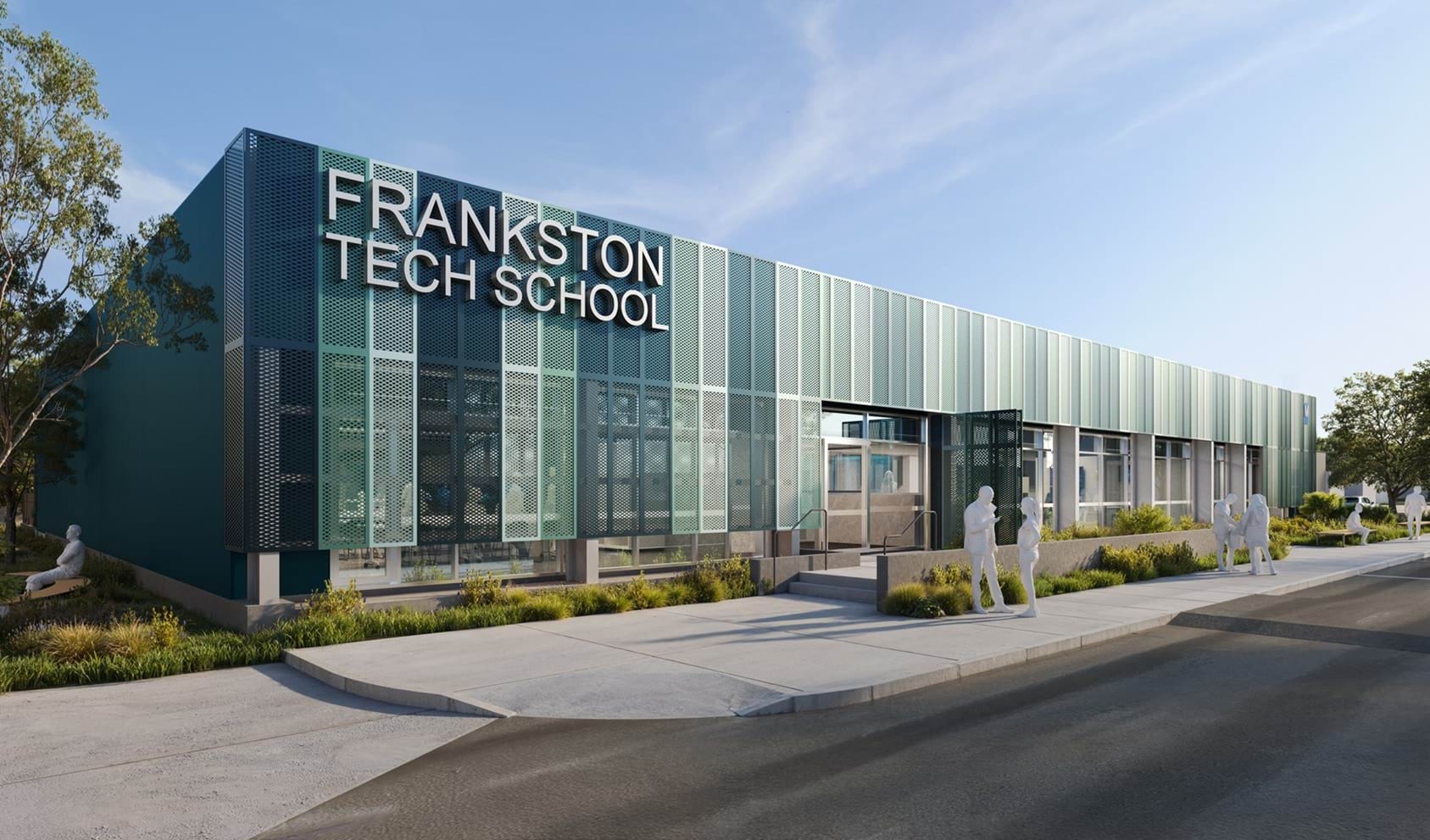
Credit: www.vic.gov.au
Courses And Curriculum
Tech schools offer a focused approach to education. Their courses and curriculum prepare students for specific technical jobs. The programs balance theory with practical skills. This combination helps students gain real-world experience quickly. Below are the main parts of the curriculum in tech schools.
Core Subjects
Core subjects cover the basics needed in a field. They include topics such as:
- Mathematics
- Computer science
- Electrical fundamentals
- Mechanical principles
- Technical writing
These subjects build a strong foundation. They prepare students for advanced technical skills.
Hands-on Training
Hands-on training is key in tech schools. Students work with tools and equipment daily. This training includes:
- Lab work
- Workshops
- Simulated job tasks
- Internships with companies
This direct experience helps students understand real job demands. It improves their problem-solving and technical abilities.
Industry Certifications
Many tech schools offer courses that lead to industry certifications. These certificates prove skills to employers. Examples include:
- CompTIA A+
- Cisco Certified Network Associate (CCNA)
- Welding certifications
- HVAC technician licenses
Certifications make graduates more competitive. They open doors to better job opportunities.
Skills Developed
Attending a tech school equips you with a diverse set of skills that prepare you for real-world challenges. These skills go beyond textbooks, shaping how you think, solve problems, and interact with others in professional settings. Understanding what you gain from tech school helps you see its true value.
Technical Skills
Tech schools focus heavily on hands-on learning, so you gain practical technical skills that employers want. Whether it’s coding, network setup, or machine operation, you learn to use tools and software that are current in the industry. This direct experience makes you job-ready faster than traditional routes.
Imagine being able to troubleshoot a software bug or configure a server by the time you finish your course. That’s the kind of confidence and competence tech schools aim to build.
Problem-solving Abilities
Tech school challenges push you to think critically and solve problems efficiently. You don’t just memorize facts—you apply knowledge to fix real issues. This builds your ability to analyze situations, test solutions, and learn from errors.
Ask yourself: How do you approach a problem when the answer isn’t in a textbook? Tech school prepares you to tackle uncertainty and adapt quickly.
Soft Skills
Technical know-how isn’t enough without strong communication, teamwork, and time management skills. Tech schools often include group projects and presentations to develop these areas. Learning how to explain complex ideas clearly and work well with others gives you a huge advantage in the workplace.
Think about the last time you worked in a team. How much smoother would it be if everyone communicated well and respected each other’s roles? Tech school helps you build that professional mindset.
Career Opportunities
Tech schools prepare students for many career paths. They focus on practical skills and real-world training. Graduates enter fields with strong job growth. Many industries need skilled workers right now. Tech school education opens doors to diverse roles. It also supports those wanting to start their own business.
Job Roles After Graduation
Graduates often find jobs in specific technical roles. Common positions include:
- Computer Support Specialist
- Electrician
- Web Developer
- Medical Technician
- Automotive Service Technician
- HVAC Technician
- Network Administrator
These roles usually require hands-on skills and certifications. They offer entry-level to advanced positions depending on training.
Industry Demand
Many industries face worker shortages. Tech schools fill this gap with trained professionals. Fields like healthcare, IT, and manufacturing grow fast. Employers value graduates who can start work immediately. Demand varies by region but remains strong overall.
Students gain skills that match current job needs. This increases chances of quick employment and career growth.
Entrepreneurship Paths
Tech school graduates can start their own businesses. Skills learned help manage trades or tech services. Examples include:
- Opening an electrical or plumbing service
- Starting a computer repair shop
- Running a digital marketing agency
- Creating a small manufacturing business
Entrepreneurship offers control over work and income. Tech schools often provide resources for business basics too.
Choosing The Right Tech School
Choosing the right tech school shapes your future in technology. It affects your skills, job chances, and learning experience. Not all tech schools offer the same quality or opportunities. Careful selection ensures a better fit for your goals and needs.
Accreditation And Reputation
Accreditation proves a tech school meets education standards. It ensures your diploma is recognized by employers and other schools. Reputation shows how well a school is known in the industry. Research school rankings and read reviews from students and employers.
Facilities And Resources
Modern facilities improve hands-on learning. Check if the school has updated labs, equipment, and software. Good libraries and online resources support your studies. Access to career services and counseling can help your growth.
Alumni Success Stories
Successful alumni reflect a school’s teaching quality. Find stories of graduates working in top tech companies. See if alumni have started their own businesses or earned certifications. Their achievements give insight into your future possibilities.

Credit: www.vic.gov.au
Tech Schools And Innovation
Tech schools play a key role in driving innovation. They prepare students to solve real-world problems using technology. These schools create an environment where new ideas grow and develop. Students learn to think creatively and work with modern tools. Innovation is at the heart of tech education.
Fostering Creativity
Tech schools encourage students to explore new ideas freely. They use hands-on projects to boost creative thinking. Students experiment with coding, robotics, and design. This approach helps learners find unique solutions. Creativity becomes a daily habit in tech classrooms.
Collaboration With Tech Companies
Many tech schools partner with technology companies. These partnerships give students access to current industry tools. Students work on real projects alongside professionals. This experience builds practical skills and teamwork. Collaboration bridges the gap between school and work.
Future Trends In Tech Education
Tech schools adapt quickly to new technology trends. They include courses on artificial intelligence, cybersecurity, and cloud computing. Virtual reality and coding are becoming standard lessons. Schools focus on skills that match future job demands. Students stay prepared for a tech-driven world.
Frequently Asked Questions
What Is A Tech School?
A tech school is an educational institution focusing on practical skills in technology and trades. It prepares students for specific careers through hands-on training and technical courses.
How Does Tech School Differ From Traditional College?
Tech schools emphasize skill-based training over theoretical knowledge. They offer shorter programs, focusing on career readiness in industries like IT, engineering, and healthcare.
What Careers Can You Pursue After Tech School?
Graduates can work in fields like IT support, automotive repair, welding, healthcare technology, and computer programming. Tech schools target high-demand, skilled trade jobs.
Are Tech School Programs Accredited?
Yes, reputable tech schools are accredited by recognized agencies. Accreditation ensures quality education, industry standards, and better job prospects for graduates.
Conclusion
Tech schools provide practical skills for many jobs. They focus on hands-on learning and real work experience. Students can start careers faster than traditional college paths. These schools suit people who want clear, direct training. Choosing a tech school means preparing for a specific trade.
It helps students gain knowledge that employers want today. This path offers a simple way to build a strong future. Consider tech school as a solid option for your career journey.

Similar Posts