What Vet Techs Do: Essential Roles and Surprising Duties Explained
Have you ever wondered what a vet tech really does behind the scenes? If you love animals and want to know how these skilled professionals help keep pets healthy, you’re in the right place.
Understanding what vet techs do can open your eyes to a career full of purpose and care—or simply deepen your appreciation for the work that goes into your pet’s health. Keep reading, and you’ll discover the vital roles vet techs play every day, from assisting in surgeries to comforting scared animals.
This isn’t just a job; it’s a calling that might just inspire you.
Daily Tasks Of Vet Techs
Vet techs play a vital role in animal healthcare every day. Their tasks involve a mix of hands-on care and technical skills. They work closely with veterinarians to ensure animals get the best treatment possible.
Animal Care And Monitoring
Vet techs observe animals closely for signs of illness or distress. They check vital signs like temperature, pulse, and breathing. Recording this information helps track the animal’s health over time. They also provide daily care, such as feeding and cleaning. Comfort and safety are top priorities during these tasks.
Administering Medications
Giving the right medicine at the right time is crucial. Vet techs prepare and administer medications as directed by the vet. This includes injections, oral drugs, and topical treatments. They must follow strict guidelines to avoid errors. Monitoring the animal’s response to medication is part of their job too.
Assisting In Surgeries
During surgeries, vet techs support veterinarians by preparing equipment and animals. They help maintain a sterile environment to prevent infections. Vet techs may also monitor anesthesia and vital signs during the procedure. Their assistance helps surgeries run smoothly and safely.

Credit: www.facebook.com
Diagnostic Responsibilities
Diagnostic responsibilities are a key part of what veterinary technicians do every day. They act as the hands and eyes of the veterinary team, gathering crucial information that helps diagnose animal health issues. This role demands precision, patience, and a clear understanding of medical procedures to ensure accurate results.
Collecting Samples
Collecting samples is one of the first steps in diagnostics. Vet techs carefully draw blood, collect urine, or take tissue samples with skill and care. This process requires gentle handling to minimize stress and discomfort for the animal.
Have you ever wondered how a tiny blood sample can reveal so much about an animal’s health? It’s all about accuracy in collection and timing. Even a small mistake here can affect the entire diagnosis.
Performing Lab Tests
Once samples are collected, vet techs perform various lab tests, often right in the clinic. They run blood counts, check for infections, and analyze chemical levels using specialized equipment. Each test provides data that guides the veterinarian’s decisions.
Lab work is not just routine; it’s a vital puzzle piece in understanding your pet’s condition. The ability to quickly and accurately perform these tests can make a huge difference in urgent situations.
Interpreting Results
Interpreting results goes beyond reading numbers on a screen. Vet techs learn to recognize patterns and anomalies that might indicate specific diseases or conditions. They communicate these findings clearly to veterinarians and pet owners.
Imagine noticing subtle changes in a lab report that could predict a serious illness early. That insight can save lives. Your vet tech’s expertise here is often the first alert system in your pet’s care journey.
Client Interaction Duties
Vet techs play a vital role in connecting with pet owners. Their job goes beyond medical tasks. They help clients understand care instructions and support them emotionally. Clear communication builds trust and ensures pets receive the best care.
Educating Pet Owners
Vet techs explain health conditions and treatments in simple words. They teach pet owners how to give medicine correctly. They also share tips on nutrition, exercise, and grooming. This helps owners care for their pets at home confidently.
Providing Emotional Support
Many pet owners feel worried or stressed during vet visits. Vet techs listen carefully and offer comfort. They show kindness and patience, easing fears. Their support helps owners stay calm and focused on their pet’s needs.
Scheduling And Follow-ups
Vet techs manage appointment bookings and reminders. They ensure clients know when to return for check-ups or treatments. Follow-up calls help monitor pets’ progress. This keeps pets healthy and owners informed.

Credit: www.facebook.com
Unexpected Roles
Veterinary technicians do much more than assist with routine animal care. Their work covers many unexpected roles that keep a clinic running smoothly. These roles require quick thinking, detailed attention, and a calm approach. Understanding these tasks reveals how vital vet techs are in animal health.
Handling Emergencies
Vet techs often act fast during animal emergencies. They prepare equipment and assist vets with critical treatments. Their quick actions can save lives and reduce animal pain. Staying calm under pressure is essential for these tasks.
Managing Medical Records
Keeping accurate medical records is part of a vet tech’s job. They track treatments, vaccinations, and test results for each patient. Good records help vets make informed decisions and provide better care. Attention to detail is key in this role.
Supporting Animal Behavior Assessments
Vet techs observe how animals behave during visits. They note signs of stress, fear, or aggression. This information helps vets understand animal needs and adjust care plans. Supporting behavior assessments improves overall treatment success.
Skills That Make A Difference
Veterinary technicians play a vital role in animal care. Their skills impact the quality of treatment and animal welfare directly. These skills go beyond basic knowledge and include a blend of technical know-how, clear communication, and quick thinking.
Technical Proficiency
Vet techs handle many technical tasks daily. They take blood samples, perform lab tests, and assist in surgeries. Knowing how to use medical tools and equipment safely is crucial. They must read animal charts and monitor vital signs accurately. Precision and attention to detail keep animals safe and healthy.
Communication Abilities
Talking clearly with pet owners is key. Vet techs explain procedures, answer questions, and offer care advice. They also communicate well with veterinarians and team members. Good listening skills help them understand animal behaviors and needs. Clear communication builds trust and reduces stress for both pets and owners.
Problem-solving Skills
Unexpected issues arise often in animal care. Vet techs must think fast and find solutions. They observe symptoms, report changes, and help adjust treatments. Critical thinking helps them prioritize tasks during emergencies. Their problem-solving ensures animals get the best care in every situation.
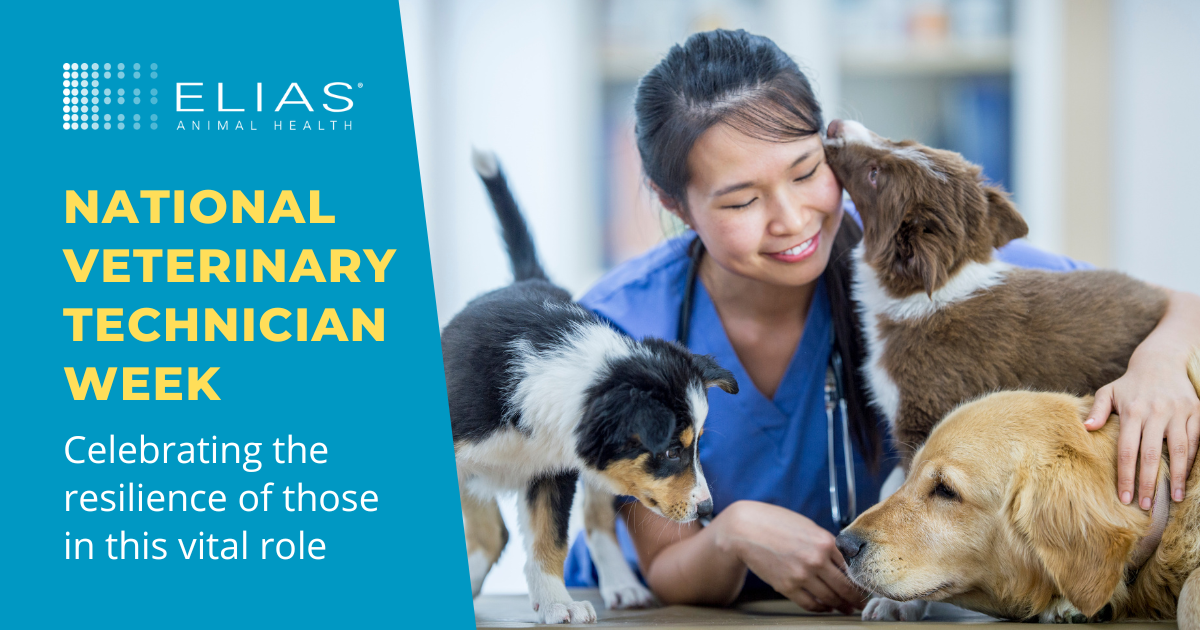
Credit: eliasanimalhealth.com
Frequently Asked Questions
What Are The Main Duties Of Vet Techs?
Vet techs assist veterinarians by performing medical tests, administering medications, and monitoring animal health. They also help with surgeries and provide care for sick or injured animals.
How Do Vet Techs Support Animal Surgeries?
Vet techs prepare animals for surgery, sterilize equipment, and monitor vital signs during procedures. They ensure a safe environment and assist veterinarians throughout the operation.
What Skills Are Essential For Vet Techs?
Key skills include animal care knowledge, attention to detail, communication abilities, and the ability to handle stressful situations calmly. Technical skills in lab work and administering treatments are also crucial.
Can Vet Techs Work In Emergency Animal Care?
Yes, vet techs often work in emergency clinics, providing urgent care, stabilizing patients, and assisting vets in critical procedures to save animals’ lives.
Conclusion
Vet techs play a vital role in animal care. They assist veterinarians daily. From surgeries to check-ups, their skills are crucial. They monitor animal health closely. These professionals handle lab tests and imaging. They comfort pets during stressful times. Vet techs educate pet owners too.
Their work demands compassion and dedication. Each task ensures pets stay healthy. Choosing this career means making a difference. Vet techs help animals live better lives. Their efforts are essential in veterinary clinics. Respect and appreciation for their work grow every day.
Passion drives them to provide excellent care.