Have you ever stopped to wonder just how old tech really is? You might think of technology as something new, like the latest smartphone or app on your screen.
But what if I told you that technology has been shaping our lives for thousands of years? Understanding the true age of tech can change how you see the tools you use every day. Stick with me, and you’ll discover surprising stories behind the gadgets and inventions that seem so modern but actually have deep, fascinating roots.
Ready to uncover the real history of technology? Let’s dive in.
Origins Of Technology
Technology has been part of human life for thousands of years. It began with simple ideas and tools. These early creations helped people survive and improve their daily lives. The story of technology starts with basic inventions and grows into impressive achievements. Learn More..https://bestgadgetsx.com/
Early Tools And Inventions
Early humans used stones, bones, and wood to make tools. These tools helped with hunting, cutting, and building. Fire was one of the first great discoveries. It provided warmth, light, and a way to cook food. The wheel, invented around 3500 BCE, changed transport and work.
- Stone axes and knives
- Fire for cooking and protection
- The wheel for easier movement
- Simple shelters and clothing
Ancient Engineering Marvels
Ancient civilizations built amazing structures using early technology. The Egyptians created the pyramids with precise measurements. The Romans built roads and aqueducts that lasted for centuries. These projects required planning, tools, and teamwork. They show how technology helped build strong societies.
- The Great Pyramid of Giza
- Roman roads and bridges
- Ancient irrigation systems
- Early metalworking and construction
Medieval Innovations
The medieval period was a time of many important inventions. People created tools and machines that helped daily life and work. These innovations laid the foundation for modern technology. They show how humans used creativity and knowledge to solve problems.
Mechanical Devices
Medieval inventors built many mechanical devices to make tasks easier. Water wheels powered mills to grind grain. Clocks were developed to measure time more accurately. These devices used gears and pulleys, showing early engineering skills. People also made mechanical clocks to ring bells and mark hours.
Advancements In Communication
Communication improved greatly during medieval times. The invention of the printing press allowed faster copying of books. This spread knowledge to more people. Postal systems were organized to deliver messages across long distances. People used signals like flags and smoke to send quick alerts. These steps helped connect communities and share ideas.
The Industrial Revolution
The Industrial Revolution marks a major turning point in technology’s timeline. It transformed societies from agrarian economies to industrial powerhouses. This era laid the foundation for many technologies we rely on today.
Steam Power And Machinery
Steam power changed everything. It gave machines a reliable and powerful energy source beyond human or animal strength. Suddenly, factories could run larger and more complex machines continuously.
James Watt’s improvements to the steam engine made it practical for widespread use. This innovation boosted productivity and lowered costs. Think about how this shift impacts your daily life—steam engines started the path to modern engines in cars and trains.
Birth Of Modern Factories
The Industrial Revolution introduced the modern factory system. Instead of small workshops, large buildings housed many workers and machines under one roof. This centralized production sped up manufacturing and improved product consistency.
Factories also changed how people worked. Labor became more specialized, and schedules were strict. Have you ever wondered how this shift affects your work habits or consumer expectations today?
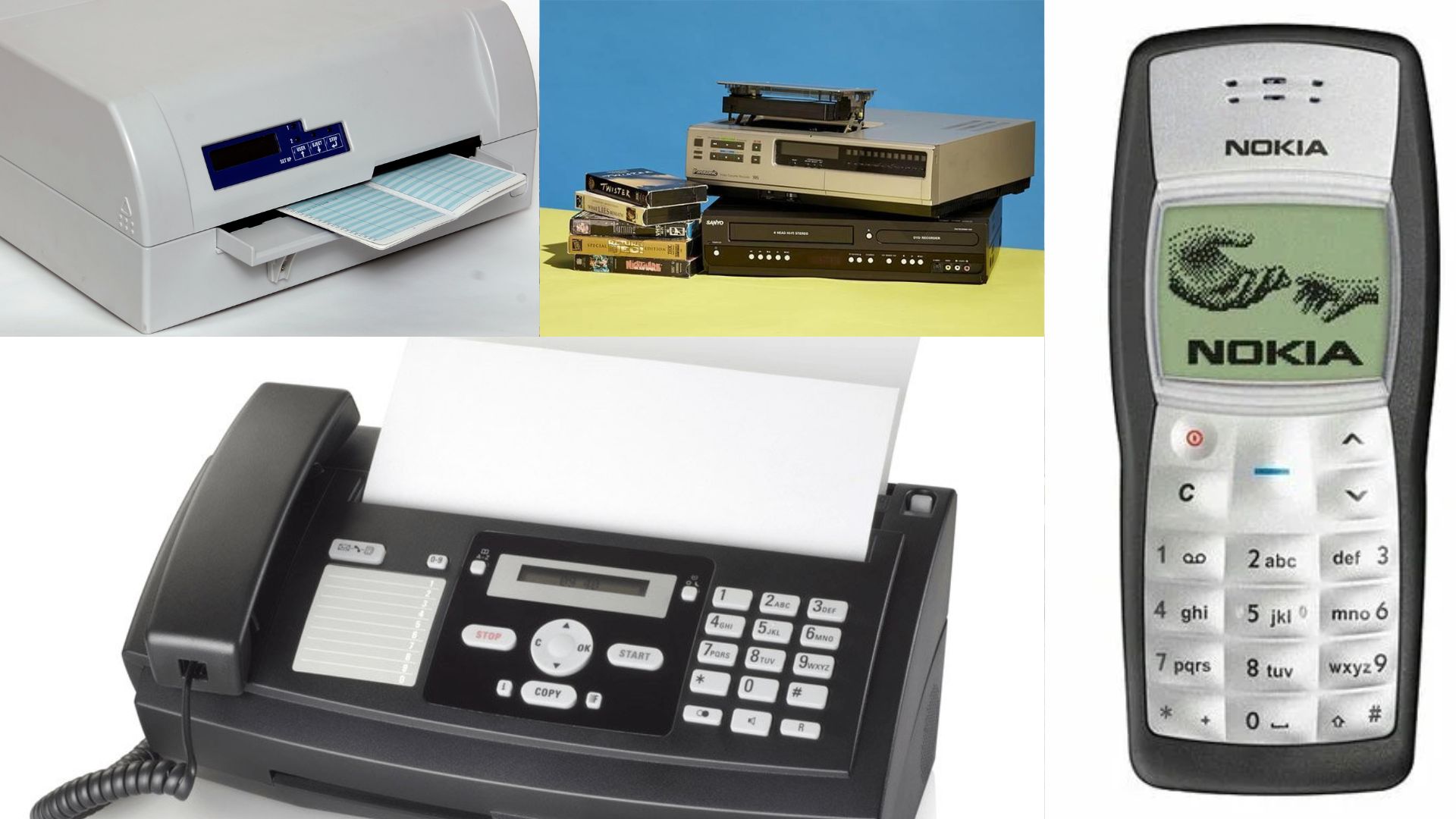
Credit: mediaindia.eu
20th Century Breakthroughs
The 20th century marked a huge leap in technology. This era introduced inventions that shaped modern life. Many breakthroughs from this time still influence us today. Science and engineering moved fast, changing how people live and work.
Electronics And Computing
Early 20th-century electronics began with radios and telephones. These devices connected people over long distances. Later, the invention of the transistor in 1947 changed everything. It made electronics smaller and more reliable.
Computers emerged during World War II with machines like the ENIAC. These early computers were large and slow by today’s standards. Over time, computers became faster and smaller. The microprocessor, developed in the 1970s, made personal computers possible.
- Transistors replaced bulky vacuum tubes.
- Computers evolved from room-sized to desktop devices.
- Software development began shaping computer use.
Space Exploration Technologies
The 20th century also saw humans reach space. The launch of Sputnik in 1957 started the space age. It was the first artificial satellite orbiting Earth.
Space technology advanced quickly. Satellites helped improve communication and weather forecasting. The Apollo missions put humans on the moon in 1969. This achievement inspired new technology and global interest in space.
- Satellites provide global communication links.
- Space probes explore distant planets.
- Rocket technology improved travel beyond Earth.
The Digital Age
The Digital Age marks a significant chapter in the timeline of technology. It’s the era where digital technology reshaped how we communicate, work, and live. This period isn’t just about gadgets; it’s about connectivity and intelligence becoming part of everyday life.
Internet And Connectivity
The internet transformed from a military project in the late 1960s to a global network connecting billions today. It changed how you access information, shop, and even socialize.
Think about the last time you searched for something online—how instant that was. This immediacy is a direct result of advancements in internet speed and infrastructure.
Connectivity now extends beyond computers to include homes, cars, and cities. Are you aware of how much your daily routine depends on this invisible web of connections?
Smart Devices And Ai
Smart devices are everywhere—from your phone to your thermostat. They learn from your habits and adjust accordingly, making life more convenient.
AI powers many of these devices, helping you with tasks like scheduling, navigation, and even health monitoring. Have you noticed how your phone suggests words or how streaming services recommend shows tailored to your taste?
These technologies don’t just respond to you; they anticipate your needs. This shift challenges you to think about how much control you want to give to machines in your daily life.
Credit: www.thinkbroadband.com
Future Trends
The future of technology holds exciting possibilities that will shape how you live, work, and connect. New advancements are emerging faster than ever, pushing the boundaries of what’s possible. Understanding these trends helps you stay ahead and make smarter choices in your tech-driven world.
Emerging Innovations
Artificial intelligence continues to evolve, becoming smarter and more intuitive. Imagine your devices not just responding but anticipating your needs, making everyday tasks easier.
Quantum computing is another breakthrough on the horizon. It promises to solve problems that current computers can’t, impacting fields like medicine and climate science.
Wearable tech is growing beyond fitness trackers to include health monitors that could alert you to issues before symptoms appear. These innovations make personal health management more accessible and proactive.
- Advancements in 5G and beyond will boost connectivity and speed, changing how you interact online.
- Augmented reality (AR) and virtual reality (VR) will blend the digital and real worlds in new ways, changing entertainment and education.
Impact On Society
Technology’s future isn’t just about gadgets; it will influence your community, economy, and privacy. How will you balance the benefits of convenience with concerns about data security?
Workplaces will transform as automation takes on repetitive jobs, pushing you to develop creative and strategic skills. This shift challenges you to adapt continuously and learn new competencies.
Access to technology will shape social equality. Will efforts be strong enough to ensure everyone can benefit, or will gaps widen?
Environmental impact is also a key factor. Future tech must focus on sustainability to protect the planet while advancing human needs.
Think about your role in this changing landscape. What skills will you need? How will you stay informed and responsible in a tech-driven society?

Credit: www.cnn.com
Frequently Asked Questions
How Old Is Modern Technology?
Modern technology dates back to the mid-20th century. Key innovations began around the 1940s with computers and electronics. Since then, rapid advancements have shaped today’s digital world, evolving over roughly 80 years.
When Did Technology First Begin?
Technology began over 2. 5 million years ago with simple stone tools. Early humans used these tools to improve survival, marking the start of human innovation and technological progress.
How Has Technology Evolved Over Time?
Technology evolved from basic tools to complex machines. Key milestones include the Industrial Revolution, the invention of electricity, and the digital age. Each phase dramatically improved human life and productivity.
What Is The Oldest Known Technology?
The oldest known technology is stone tools from the Paleolithic era. These date back millions of years and represent humanity’s first technological breakthroughs in tool-making and survival.
Conclusion
Tech’s journey is a fascinating tale. From ancient tools to smartphones. We see constant evolution. Each innovation builds on the last. The pace of change is rapid. Yet, understanding tech’s past helps us grasp its future. It shapes our lives, alters our routines.
Tech is everywhere. In homes, schools, workplaces. It connects us globally, bridges gaps. Knowing its history enriches our perspective. It helps us appreciate advancements. The story of tech is ongoing. A blend of old and new. Always evolving, always changing.
Embracing this journey is essential. It inspires curiosity and learning. A continuous adventure for all.