How to Become Rad Tech: Essential Steps for a Successful Career
Are you curious about a career that combines healthcare and technology? Becoming a Rad Tech might be the perfect choice for you.
As a Radiologic Technologist, you play a crucial role in diagnosing illnesses by operating imaging equipment like X-rays and MRIs. If you want a job that is both challenging and rewarding, keep reading. This guide will show you exactly how to become a Rad Tech, step by step, so you can start making a difference in patients’ lives sooner than you think.

Credit: m.youtube.com
Educational Requirements
Understanding the educational requirements is your first real step toward becoming a skilled Radiologic Technologist. The path involves building a solid foundation in high school, then advancing through specialized degree programs. Knowing what each stage demands can help you plan effectively and stay motivated.
High School Preparation
Your journey starts in high school. Focus on science courses like biology, chemistry, and physics because they form the base for radiologic technology concepts.
Math skills also matter—pay attention to algebra and basic statistics. These help when you learn about radiation doses and imaging calculations later on.
Consider joining health science clubs or volunteering at medical facilities. Early exposure can clarify if this career really fits your interests and strengths.
Associate Degree Programs
Most Rad Techs begin with an associate degree, which typically takes two years to complete. These programs combine classroom learning with hands-on clinical practice.
Look for programs accredited by the Joint Review Committee on Education in Radiologic Technology (JRCERT). Accreditation ensures quality education and eligibility for certification exams.
You’ll study subjects like anatomy, patient care, radiation physics, and imaging techniques. Clinical rotations provide real-world experience, making this step crucial for skill development.
Bachelor’s Degree Options
If you want to advance your career or specialize, consider a bachelor’s degree in radiologic technology or related fields. These programs usually take four years and cover more in-depth topics.
A bachelor’s degree can open doors to leadership roles, teaching positions, or advanced certifications in MRI or CT scanning. It also strengthens your understanding of healthcare management and research methods.
Think about your career goals: Would a broader education help you stand out in a competitive job market? This decision impacts your future opportunities and earning potential.
Credit: www.concorde.edu
Certification Process
The certification process is a crucial step in becoming a skilled and trusted radiologic technologist. It proves your knowledge, skills, and commitment to patient safety and quality care. Understanding how to navigate this process will set you up for success in your career.
Choosing The Right Certification
There are several certification options available depending on your career goals and the state you want to work in. The American Registry of Radiologic Technologists (ARRT) certification is the most widely recognized and often required. However, some states have their own licensing exams, so research what fits your location and specialty.
Consider the type of radiologic technology you want to specialize in, such as MRI, CT, or general radiography. Selecting the right certification aligns your training with your career path and employer expectations. Have you checked which certifications local employers prefer?
Preparing For Exams
Studying for certification exams takes dedication and a smart strategy. Start by reviewing the official content outlines and using practice tests to identify your weak spots. Don’t just memorize facts—focus on understanding procedures and safety protocols.
Joining a study group or finding a mentor can make a big difference. Personal experience shows that discussing tricky topics with peers improves retention and builds confidence. How will you create a study plan that fits your schedule and learning style?
Maintaining Certification
Certification is not a one-time achievement; it requires ongoing education to keep your skills sharp and your credentials valid. Most certifications demand continuing education credits every two years, which can come from workshops, courses, or seminars.
Staying updated with the latest technology and safety standards benefits both you and your patients. Think about how you will stay engaged in your profession beyond the initial exam—will you attend conferences, subscribe to journals, or take online classes?
Clinical Experience
Clinical experience is a vital part of becoming a radiologic technologist. This hands-on learning lets students apply what they learn in classrooms. It prepares them to work confidently with patients and imaging equipment. Gaining clinical experience helps build important skills needed for real healthcare settings.
Internship Opportunities
Internships provide valuable exposure to radiology departments. Students work alongside experienced technologists. They observe daily tasks and learn proper techniques. Internships often take place in hospitals or clinics. These settings offer a range of cases and equipment to practice with. Completing an internship increases job readiness and professional connections.
Hands-on Training
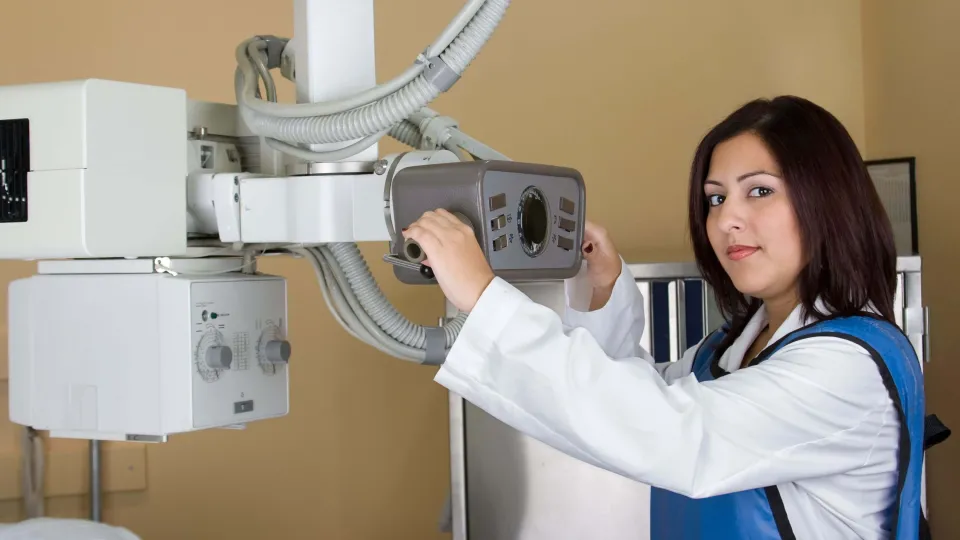
Hands-on training lets students operate X-ray and imaging machines. They practice positioning patients safely and capturing clear images. This training builds confidence in using technology and following protocols. It also teaches how to handle emergencies calmly. Regular practice ensures skills improve steadily and meet industry standards.
Building Professional Skills
Clinical experience helps develop essential professional skills. Communication with patients improves through real interactions. Students learn teamwork by collaborating with healthcare staff. Time management skills grow as they balance tasks and schedules. These skills make graduates valuable in any medical imaging role.
Specialization Choices
Choosing a specialization as a Radiologic Technologist shapes your daily work and career path. Each area offers unique challenges and rewards, so understanding your options can help you find the best fit for your skills and interests. Think about what excites you most—whether it’s capturing clear images, working with advanced machines, or helping diagnose complex conditions.
Radiography
Radiography is the most common path for Rad Techs. You’ll use X-rays to produce images of bones and organs. It’s fast-paced and requires precision to ensure clear, diagnostic-quality images.
If you enjoy direct patient interaction and working in a variety of settings—from emergency rooms to clinics—radiography might suit you well. You’ll develop strong skills in positioning patients and operating X-ray equipment safely.
Computed Tomography
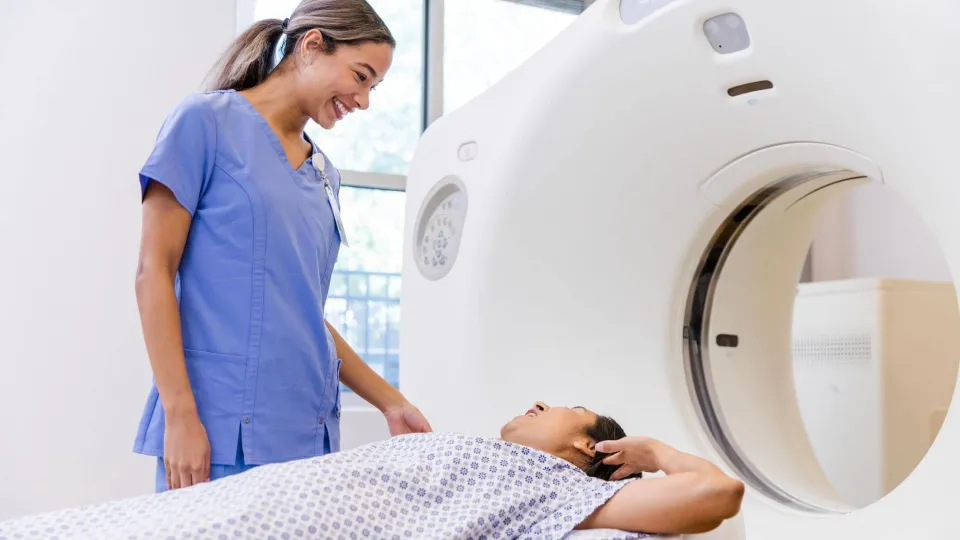
Computed Tomography (CT) uses specialized X-ray equipment to create detailed cross-sectional images. This specialization demands a deeper understanding of anatomy and technology.
CT techs often work closely with radiologists to pinpoint issues like tumors or internal injuries. If you like combining technology with problem-solving, CT offers that mix. Plus, you’ll handle more advanced equipment and protocols compared to traditional radiography.
Magnetic Resonance Imaging
Magnetic Resonance Imaging (MRI) specialists operate machines that use magnetic fields and radio waves instead of X-rays. This means no radiation exposure, which many patients appreciate.
MRI techs must be comfortable with complex technology and patient communication, especially since scans can take longer. If you have patience and enjoy detailed work, MRI could be the right choice. It also offers opportunities to specialize further in neuro or musculoskeletal imaging.
Job Search Strategies
Searching for a radiologic technologist position can feel overwhelming, but having clear job search strategies makes a big difference. Your approach should highlight your skills and show employers why you’re the right fit. Focus on creating a strong resume, building a professional network, and preparing thoroughly for interviews to stand out.
Crafting A Strong Resume
Your resume is your first chance to grab attention. Keep it concise and focused on your radiologic tech skills and certifications. Use bullet points to list your experience and emphasize any hands-on work with imaging equipment or patient care.
Include specific achievements, like improving imaging turnaround times or successfully managing high patient volumes. Tailor your resume to each job by matching your skills with the job description. Have you reviewed your resume recently to remove outdated info or add new skills?
Networking Tips
Networking can open doors that online applications cannot. Reach out to classmates, instructors, and healthcare professionals you’ve met during clinicals or internships. Attend local or online radiology association meetings to meet hiring managers and fellow techs.
Don’t hesitate to ask for advice or referrals. Sometimes a quick chat can lead to job leads you won’t find elsewhere. How often do you check in with your professional contacts to keep those relationships alive?
Interview Preparation
Preparation sets you apart during interviews. Research the facility’s mission and values to show genuine interest. Practice answering common questions, like how you handle patient anxiety or maintain safety protocols.
Bring examples ready to demonstrate your problem-solving skills and teamwork. Consider questions you want to ask the interviewer to show your engagement. What would you say if asked how you stay updated on radiology technology advancements?
Career Advancement
Career advancement in radiologic technology is not just about gaining experience but actively shaping your professional path. Moving forward requires deliberate efforts to expand your skills, take on new responsibilities, and connect with others in your field. Are you ready to invest in your growth and see where your career can take you?
Continuing Education
Technology in medical imaging evolves quickly, and staying updated is crucial. Taking additional courses or earning specialized certifications can set you apart. Consider certifications in CT, MRI, or mammography to open doors to higher-paying positions or specialized departments.
Many employers support continuing education, sometimes even covering costs. Have you thought about which new skills would make your daily work easier or more interesting?
Leadership Opportunities
Stepping into leadership roles can change the way you impact your workplace. Positions like lead technologist or department supervisor allow you to guide teams and improve processes. Leadership also builds skills in communication, problem-solving, and decision-making that are valuable anywhere.
If you’ve noticed areas needing improvement at your workplace, could you be the one to lead the change?
Professional Associations
Joining associations like the American Society of Radiologic Technologists connects you with peers and resources. These groups offer networking events, job boards, and professional development workshops. Being active in an association can help you learn about hidden job markets and gain mentors.
Have you explored what local or national radiology groups can offer your career right now?
Work-life Balance
Balancing your work and personal life as a Radiologic Technologist can be challenging but is essential for long-term success and happiness. The demands of healthcare often mean long hours and high stress, making it vital to find ways to maintain your well-being outside of work. Prioritizing balance helps you stay focused, energized, and ready to provide the best care to your patients.
Managing Stress
Stress is common in radiologic technology due to the fast pace and responsibility involved. You can manage stress by setting clear boundaries between work and home life.
- Take short breaks during shifts to breathe deeply or stretch.
- Practice mindfulness or meditation for a few minutes each day.
- Share your experiences with colleagues or a support group to reduce feelings of isolation.
Have you noticed how small moments of calm can change your entire day?
Time Management
Efficiently managing your time helps prevent burnout and frees up moments for yourself. Use tools like calendars or apps to organize your shifts, appointments, and personal activities.
- Plan your week ahead, including rest and recreation.
- Set realistic daily goals to avoid overloading yourself.
- Learn to say no when your schedule is already full to protect your energy.
What would you do with an extra hour each day if your time was managed better?
Healthy Lifestyle Choices
Your lifestyle choices directly affect your ability to handle work pressures and maintain energy. Focus on habits that support your physical and mental health.
- Eat balanced meals to keep your energy steady throughout the day.
- Get regular exercise, even if it’s just a short walk before or after work.
- Prioritize sleep to allow your body and mind to recover fully.
How can you tweak your daily routine to add one healthy habit this week?
Credit: www.concorde.edu
Frequently Asked Questions
What Education Is Required To Become A Rad Tech?
To become a Rad Tech, you need an associate degree in radiologic technology. Accredited programs include classroom and clinical training. Certification and licensing may also be required depending on your state.
How Long Does It Take To Become A Rad Tech?
Typically, it takes 2 years to complete an accredited radiologic technology program. Some may take longer if pursuing a bachelor’s degree or part-time studies.
What Certifications Are Needed For A Rad Tech?
Most employers require certification from the American Registry of Radiologic Technologists (ARRT). Certification ensures you meet professional standards and improves job prospects.
What Skills Are Essential For A Successful Rad Tech?
Key skills include attention to detail, strong communication, technical proficiency, and patient care abilities. These help ensure accurate imaging and patient safety.
Conclusion
Becoming a Rad Tech takes time and effort. Start by studying the right courses. Gain hands-on experience through training programs. Stay focused and keep learning every day. This career offers good job opportunities and growth. Helping patients with imaging can be rewarding.
Stay patient and persistent on your journey. Your hard work will pay off soon. Keep moving forward with confidence and care.