How to Make a Tech Pack: Ultimate Guide for Designers
Are you ready to bring your creative ideas to life with precision and clarity? Knowing how to make a tech pack is the secret weapon you need to turn your designs into reality without confusion or costly mistakes.
Whether you’re launching your first product or streamlining your production process, mastering this skill puts you in control. Keep reading, and you’ll discover simple, step-by-step guidance that makes creating a perfect tech pack easier than you think. Your next big project deserves this edge—let’s get started!
Purpose Of A Tech Pack
A tech pack is a detailed document that guides the creation of a product. It acts as a bridge between designers and manufacturers. The purpose of a tech pack is to ensure the product is made exactly as intended. It helps everyone involved understand the design clearly and avoid mistakes.
Communicating Design Details
A tech pack shares all important design information. It includes sketches, measurements, and materials. Colors, trims, and stitching details are also listed. This clear communication helps manufacturers know exactly what to create. It removes guesswork and confusion during production.
Streamlining Production
With a tech pack, the production process moves smoothly. It provides step-by-step instructions for making the product. Factories can follow the guide without delays or questions. This saves time and keeps the schedule on track. It also helps coordinate between different teams.
Reducing Errors And Costs
A detailed tech pack lowers the chance of mistakes. Errors in size, fabric, or design can be caught early. This prevents costly fixes and wasted materials. Clear instructions reduce the need for multiple samples. It helps brands save money and avoid delays in delivery.
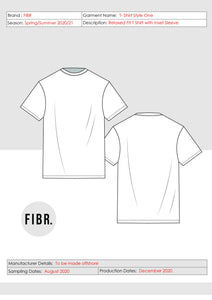
Credit: fibr.online
Essential Tech Pack Components
Creating a tech pack means gathering all the essential details that communicate your design clearly to manufacturers. These components ensure your vision turns into a product without costly mistakes or misunderstandings. Knowing what to include and how to organize it can save you time, money, and frustration.
Technical Sketches
Technical sketches are more than just drawings; they are the blueprint of your design. These sketches should be clean, detailed, and show every angle of the product. Adding notes about seams, stitch types, or special features helps the manufacturer understand exactly what you want.
Have you ever sent a sketch and received something completely different? Clear technical sketches prevent that from happening.
Material And Fabric Specs
Specify the exact fabrics and materials needed for your product. Include fabric type, weight, texture, and any special finishes like waterproofing or stretchability. This precision guides sourcing and ensures your product feels and functions as intended.
Imagine ordering a soft cotton tee but ending up with rough polyester. Detailed fabric specs keep your product consistent and on-brand.
Color Codes And Swatches
Color accuracy is critical. Use standardized color codes such as Pantone or HEX values to avoid guesswork. Including physical swatches in your tech pack can also help manufacturers match colors perfectly.
Have you ever wondered why the color on your screen looks different in real life? Proper color references eliminate that problem.
Measurement Charts
Provide precise measurements for every size you plan to produce. This chart should cover length, width, sleeve size, and other key dimensions. Clear measurements reduce the risk of ill-fitting products and costly returns.
Think about the last time you bought clothes online that didn’t fit well. A detailed measurement chart can save your customers from that disappointment.
Construction Details
Explain how your product should be put together. Include stitch types, seam allowances, zipper placements, and any reinforcements needed. These details ensure the final product matches your quality standards and design intent.
If a product falls apart after a few uses, it’s often because construction details were missed. Don’t let that happen to your creation.
Labeling And Tags
Specify the type, placement, and design of all labels and tags. This includes brand labels, care instructions, and size tags. Proper labeling adds professionalism and helps with compliance to industry regulations.
Ever found a label that irritates your skin or is hard to read? Thoughtful labeling improves customer satisfaction and brand perception.
Tools And Software For Tech Packs
Creating a tech pack requires specific tools and software to organize ideas clearly. These resources help designers and manufacturers understand every detail of a product. Using the right tools can save time and reduce mistakes.
Tech packs include sketches, measurements, materials, and instructions. This information must be precise and easy to share. Different software and platforms support these needs in unique ways.
Design Software Options
Design software allows the creation of detailed sketches and technical drawings. Popular choices include:
- Adobe Illustrator – great for vector designs and clear lines.
- CLO 3D – creates 3D garment visualizations.
- CorelDRAW – useful for detailed illustrations.
These tools help communicate the exact look and structure of a product.
Templates And Formats
Templates save time by providing a ready structure for tech packs. Common formats include:
- PDF – easy to view and share on any device.
- Excel or Google Sheets – good for listing measurements and materials.
- Word documents – useful for detailed notes and instructions.
Using standard templates ensures everyone understands the tech pack quickly.
Collaboration Platforms
Collaboration platforms keep the design team and manufacturers connected. They allow real-time updates and feedback. Examples include:
- Google Drive – stores and shares files easily.
- Dropbox – offers secure file storage and sharing.
- Slack – supports instant messaging and file exchange.
These platforms make teamwork smooth and reduce miscommunication.

Credit: www.fiverr.com
Step-by-step Tech Pack Creation
Creating a tech pack can feel overwhelming at first, but breaking it down into clear steps makes the process manageable and effective. Each part of your tech pack serves a specific purpose in communicating your design vision to manufacturers. Let’s walk through how to build a detailed tech pack that leaves no room for misunderstanding.
Gathering Design Information
Start by collecting all the essential details about your design. This includes your inspiration, target market, and any specific features you want to highlight. Think about what makes your design unique and how you want it to function.
Ask yourself: what story does your design tell? Jot down notes about the style, purpose, and any special elements that need extra attention. This foundation will guide every other part of your tech pack.
Creating Detailed Sketches
Your sketches are the visual heart of the tech pack. They don’t need to be perfect artwork but should clearly show every angle and detail of your product. Use front, back, and side views to give a full picture.
Adding close-ups of tricky areas or unique features helps avoid confusion. If you’ve struggled with misunderstood designs before, you’ll know how valuable this clarity can be.
Specifying Materials And Colors
List all the materials your product will use, including fabric types, trims, and hardware. Be as specific as possible—include fabric weight, texture, and finish.
For colors, use standardized codes like Pantone to ensure everyone sees the exact shade you want. This prevents costly mistakes and keeps your vision consistent.
Adding Measurements And Fit Details
Precise measurements are crucial. Include all dimensions relevant to your design, such as length, width, and placement of key features. Use tables to organize these numbers clearly.
| Measurement | Size S | Size M | Size L |
|---|---|---|---|
| Chest Width | 18 in | 20 in | 22 in |
| Length | 26 in | 27 in | 28 in |
Think about fit details like ease, stretch, and where the garment should sit on the body. These insights help manufacturers create a product that fits your target customer well.
Including Construction Instructions
Explain how your product should be made step-by-step. This might include stitching types, seam allowances, and finishing details. Clear instructions reduce errors and ensure quality.
- Type of stitches (e.g., double-needle, overlock)
- Seam placements and allowances
- Special treatments like washing or embossing
Imagine how frustrating it is to receive a sample that misses these points. Detailed construction notes save time and money in the long run.
Reviewing And Finalizing
Once your tech pack is complete, review every section carefully. Check for missing details or anything that might be unclear. Ask a colleague or friend to look it over with fresh eyes.
Finalizing a tech pack isn’t just about ticking boxes—it’s about making sure your design can be executed exactly as you picture it. Have you caught all the little things that could trip up production?
Common Mistakes To Avoid
Creating a tech pack is a detailed process, and it’s easy to slip up along the way. Avoiding common mistakes can save you time, reduce confusion, and prevent costly errors during production. Let’s look at some pitfalls you should watch out for.
Incomplete Information
Leaving out key details can cause major delays. Every measurement, material specification, and construction note must be included. Imagine sending a tech pack without fabric weight or stitching type—your manufacturer might guess, and that guess could be wrong.
Don’t assume they’ll fill in the blanks. Be thorough with your descriptions, and double-check that every component is covered. Have you ever received a product that didn’t match your vision because of missing info? This is why attention to detail matters.
Unclear Visuals
Visuals speak louder than words in a tech pack. Poorly drawn sketches or blurry images can confuse your manufacturer. Clear, labeled diagrams help avoid misinterpretations.
Use clean, precise drawings or CAD images. Include multiple views if needed, like front, back, and close-ups of tricky parts. Would you want to guess how a pocket should look from a vague sketch? Neither would your factory.
Ignoring Manufacturer Feedback
Your manufacturer is an expert with practical insights. Ignoring their feedback can lead to designs that are hard to produce or expensive to make. They might suggest better materials or simpler construction methods that you hadn’t thought about.
Keep communication open and value their advice. Have you ever hit a roadblock only to find a simple fix suggested by your factory? Listening can save you headaches and improve your final product.

Credit: www.fiverr.com
Tips For Effective Communication
Effective communication is the backbone of a successful tech pack. Clear details reduce mistakes and save time. Precise instructions help everyone understand the design and production needs. Follow these tips to keep communication simple and efficient.
Using Clear Language
Use simple words and short sentences. Avoid technical jargon or complex phrases. Write instructions as if explaining to someone new. Clear language helps prevent confusion and errors. Always double-check for spelling and grammar mistakes.
Standardizing Symbols
Use common symbols that everyone knows. Create a legend or key to explain less common marks. Consistent symbols speed up reading and understanding. Avoid inventing new symbols that can confuse the team. Standard signs ensure the design details are clear.
Maintaining Consistency
Keep the format and style uniform throughout the tech pack. Use the same fonts, colors, and layout in every section. Consistency helps readers follow the document easily. It also shows professionalism and attention to detail. Review the tech pack regularly to maintain uniformity.
Examples Of Tech Packs
Examples of tech packs help you understand their structure and content. They show how to organize details clearly for manufacturers. Each tech pack varies by product type, but all include key information.
Studying samples gives ideas on how to list materials, measurements, and construction steps. It also highlights the importance of visuals like sketches and diagrams. Below are examples of tech packs for different product categories.
Apparel Tech Pack Sample
An apparel tech pack focuses on clothing items like shirts, pants, or jackets. It contains detailed info about fabric types, stitching, and trims. Measurements for each size are clearly listed to avoid confusion.
| Section | Details |
|---|---|
| Style Number | 12345 |
| Fabric | 100% Cotton, Jersey Knit |
| Colors | Red, Blue, Black |
| Measurements | Chest, Length, Sleeve |
| Construction | Overlock stitching, double needle hem |
| Labels | Brand tag, size tag |
Visual sketches show front, back, and side views. Callouts mark special features like buttons or zippers. This helps manufacturers understand exactly how to make the product.
Accessories Tech Pack Sample
Accessories tech packs cover items like bags, hats, or jewelry. They focus on materials, hardware, and assembly instructions. Dimensions, colors, and packaging details are carefully noted.
- Material: Faux leather, metal hardware
- Dimensions: 30cm x 20cm x 10cm
- Hardware: Gold zipper, metal logo plate
- Assembly: Stitching, gluing, hardware fixing
- Packaging: Polybag with hang tag
Photos or CAD drawings illustrate each part. Notes explain texture, finish, and color codes. This ensures the final product matches the design vision exactly.
Frequently Asked Questions
What Is A Tech Pack In Fashion Design?
A tech pack is a detailed document used by designers. It includes specifications, measurements, and materials for manufacturing garments. It helps communicate design ideas clearly to factories, ensuring accurate product creation and reducing errors.
Why Is Creating A Tech Pack Important?
Creating a tech pack ensures precise communication between designers and manufacturers. It reduces production errors, saves time, and controls costs. A clear tech pack helps produce garments exactly as intended, improving quality and efficiency.
What Key Elements Should A Tech Pack Include?
A tech pack should include sketches, measurements, fabric details, trims, colors, and construction notes. It also contains labels, packaging instructions, and size charts. These elements provide complete guidance for manufacturing the product accurately.
How Detailed Should A Tech Pack Be?
A tech pack should be thorough but clear. Include all necessary details to avoid confusion. The goal is to give manufacturers a complete understanding of the design and specifications for flawless production.
Conclusion
Creating a tech pack is essential for clear communication. It helps avoid misunderstandings between designers and manufacturers. You save time and reduce errors. Start with detailed sketches. Include all measurements. Add fabric and color details. Don’t forget labels and tags.
This document is your blueprint. It guides everyone involved in production. Keep it organized and precise. Review it before sending. Ensure all details are correct. A well-made tech pack leads to better products. Your team will appreciate the clarity. Customers notice quality.
Success begins with a strong tech pack.

Similar Posts