
Have you ever wondered what ultrasound techs are really called? If you’re curious about the people behind those important medical images, you’re in the right place.
Knowing their official title can help you understand their role better and appreciate the skill involved. Keep reading, and you’ll discover not just their name, but also what makes their job so vital to healthcare. This knowledge might even inspire your next career move or help you feel more confident during your next ultrasound appointment.
Let’s dive in!

Credit: www.concorde.edu
Common Job Titles
Ultrasound techs go by several job titles that you might encounter in job listings or healthcare settings. These titles often reflect the same core skills but can vary depending on the workplace or specific role. Understanding these common job titles can help you identify the right position if you’re considering a career in this field.
Sonographer
The title “Sonographer” is widely used and recognized in the medical community. Sonographers operate ultrasound machines to capture images of organs and tissues, which doctors use for diagnosis. If you enjoy working closely with patients and technology, this title often represents a hands-on role with direct patient interaction.
Ultrasound Technician
“Ultrasound Technician” is a straightforward term that emphasizes the technical skills required. This title highlights the importance of operating ultrasound equipment accurately and efficiently. If you’re detail-oriented and like mastering medical technology, this title might resonate with your skill set.
Diagnostic Medical Sonographer
This title adds a clinical focus, emphasizing the diagnostic aspect of the job. Diagnostic Medical Sonographers not only capture images but also help interpret them to assist in medical decisions. If you want to be more involved in the diagnostic process, this title reflects a deeper level of responsibility.
Ultrasound Specialist
“Ultrasound Specialist” can imply a higher level of expertise or specialization in certain ultrasound techniques. This title might be used for those who have advanced training or focus on specific areas such as vascular or cardiac ultrasound. Are you interested in developing specialized skills within the ultrasound field? This title may suit your ambitions.
Specialized Titles
Ultrasound technicians often have specialized roles based on the area of the body they examine. These specialized titles reflect their unique skills and training. Each title describes the focus of their work and the type of patients they help.
Cardiac Sonographer
Cardiac sonographers use ultrasound to study the heart. They check heart structure and function. Their work helps doctors diagnose heart diseases. They often perform echocardiograms, a type of heart ultrasound.
Vascular Technologist
Vascular technologists examine blood vessels using ultrasound. They look for blockages or clots in veins and arteries. Their role is crucial for detecting circulation problems. They help in cases of stroke or deep vein thrombosis.
Obstetric Sonographer
Obstetric sonographers focus on pregnancy and fetal health. They monitor baby growth and development inside the womb. They also check the placenta and amniotic fluid. Their scans provide vital information for expecting mothers.
Musculoskeletal Sonographer
Musculoskeletal sonographers scan muscles, tendons, and joints. They identify injuries like tears or inflammation. Their work supports sports medicine and physical therapy. Ultrasound helps guide treatment plans and monitor healing.
Work Settings And Titles
Ultrasound techs, also known as sonographers, work in a variety of settings that shape their daily tasks and professional titles. Understanding where they work can help you grasp the diversity of this career and the different roles you might encounter. Each work environment demands unique skills and offers distinct experiences.
Hospital Sonographers
Hospital sonographers often handle a wide range of ultrasound exams, from emergency cases to routine checks. You might find them working alongside doctors in radiology or obstetrics departments. Their job requires quick decision-making and adapting to urgent situations, which can be both challenging and rewarding.
Clinic Ultrasound Techs
In clinics, ultrasound techs usually focus on specific types of imaging, such as prenatal care or vascular studies. This setting often allows for a more predictable schedule compared to hospitals. If you prefer building long-term relationships with patients, clinics offer a great environment for that.
Mobile Ultrasound Technicians
Mobile ultrasound techs bring imaging services directly to patients’ homes or remote locations. This role offers flexibility and variety, as no two days are the same. If you like traveling and working independently, this might be the right fit for you.
Research Sonographers
Research sonographers contribute to medical studies by performing specialized scans to support new treatments or technologies. This role demands precision and a strong interest in medical advancements. If you want to be part of innovation in healthcare, consider this path.
Certification And Credentials
Ultrasound technicians need specific certifications to work professionally. These credentials prove their skills and knowledge. Hospitals and clinics often require them for employment. Certification also helps technicians earn trust from patients and doctors.
There are several recognized certifications in the ultrasound field. Each focuses on a different specialty or type of ultrasound work. These certifications shape the titles that ultrasound techs use.
Registered Diagnostic Medical Sonographer (rdms)
The RDMS credential is one of the most common. It shows expertise in general diagnostic ultrasound. To earn RDMS, candidates pass exams by the American Registry for Diagnostic Medical Sonography (ARDMS). This certification covers areas like abdomen, obstetrics, and gynecology ultrasound. RDMS holders often use the title “Sonographer” or “Ultrasound Technologist.”
Registered Vascular Technologist (rvt)
The RVT certification focuses on vascular ultrasound. This includes blood flow and vessel imaging. Candidates must pass tests related to vascular technology. The ARDMS also grants this credential. RVT holders usually work in vascular labs or heart centers. Their title often reflects the vascular specialty, like “Vascular Sonographer.”
Credential Impact On Titles
Ultrasound tech titles depend on their certifications. Certified techs use titles that reflect their skills. Common titles include:
- Diagnostic Medical Sonographer
- Vascular Technologist
- Ultrasound Technologist
Employers prefer certified techs due to their proven expertise. Certifications enhance career options and salary potential. They also provide a clear path for career growth.
Career Path Variations
Ultrasound techs, also known as sonographers, have diverse career paths that can lead to various roles within healthcare. Your journey can start with hands-on patient care and advance toward specialized or leadership positions. Understanding these career variations helps you plan your growth and find the right fit for your skills and interests.
Entry-level Positions
Most ultrasound techs begin as general sonographers performing routine scans in hospitals or clinics. These roles focus on mastering imaging techniques and patient interaction.
You might work in obstetrics, abdominal imaging, or vascular sonography, gaining broad experience. Early in your career, building strong technical skills and communication habits is crucial.
Advanced Practice Roles
As you gain experience, you can specialize in areas like cardiac sonography or neurosonology. Specialization often requires additional training or certification but opens doors to higher pay and challenging cases.
Some sonographers become educators or clinical instructors, shaping the next generation of ultrasound techs. Would you prefer deep technical expertise or teaching others? Both paths offer rewarding experiences.
Leadership Titles
Leadership roles, such as Lead Sonographer or Ultrasound Department Manager, involve overseeing teams and managing workflow. These positions demand strong organizational and interpersonal skills alongside clinical knowledge.
In leadership, you influence policies and improve patient care standards. Have you considered how your people skills could impact a whole department?
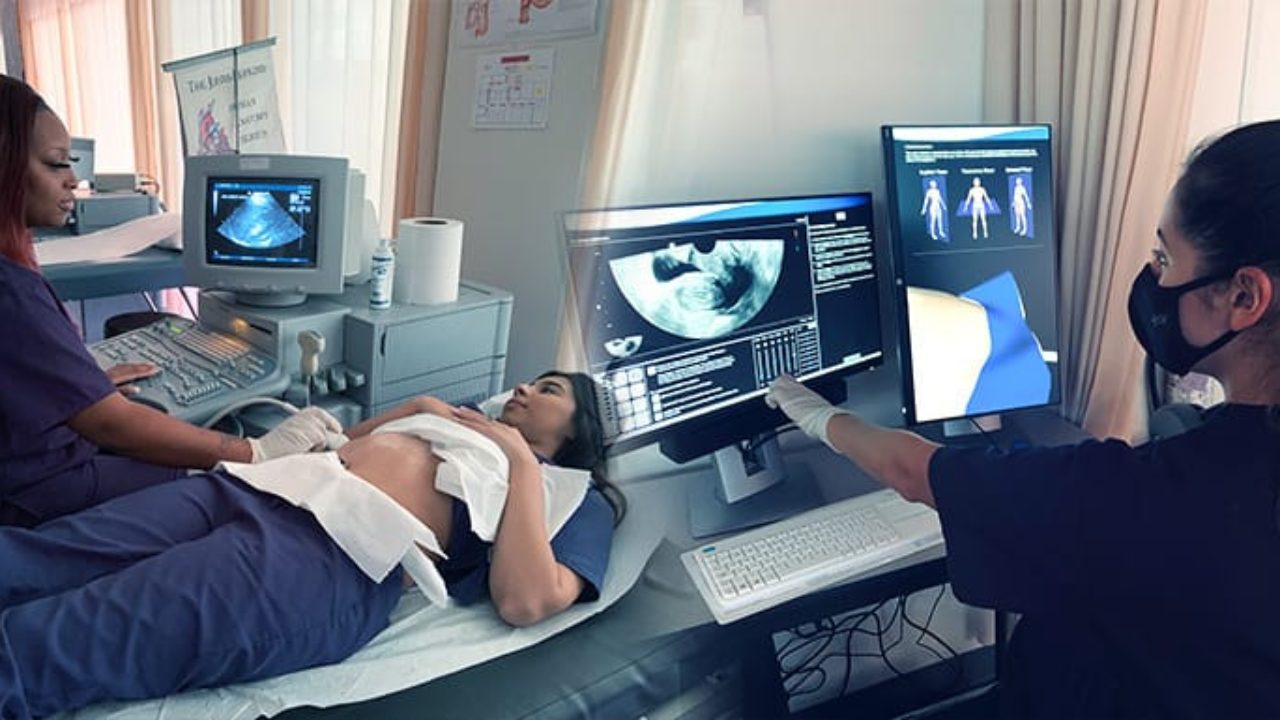
Credit: healthcarecareercollege.edu
International Job Titles
Job titles for ultrasound technicians vary around the world, reflecting differences in healthcare systems and professional standards. Understanding these titles can help you navigate job opportunities internationally and communicate effectively with colleagues. Let’s look at how ultrasound techs are referred to in various countries and what that means for your career path.
Titles In The Us
In the United States, ultrasound technicians are most commonly called Diagnostic Medical Sonographers. Some also use the term Ultrasound Technologists. These titles emphasize their role in operating imaging equipment to assist doctors in diagnosing patients.
You might see variations based on specialization, such as:
- Cardiac Sonographer (focus on heart imaging)
- Obstetric Sonographer (focused on pregnancy scans)
- Vascular Technologist (specializing in blood vessels)
Titles In The Uk
In the United Kingdom, the common job title is Sonographer. Unlike the US, this term usually implies a higher level of training and often includes responsibilities like reporting on scans. This means your role might be broader than just operating the machine.
Some ultrasound professionals in the UK may also be called Diagnostic Radiographers, especially if they work with multiple imaging technologies. Knowing these differences can help you better understand the scope of practice expected in the UK.
Titles In Other Countries
Across other countries, job titles vary widely but generally circle around terms like Sonographer, Ultrasound Technologist, or Medical Imaging Technician. In Canada, for example, Diagnostic Medical Sonographeris common, similar to the US.
In Australia and New Zealand, the term Sonographeris standard and often requires specific certification. Meanwhile, some European countries may use Ultrasound Specialistor Medical Sonographer.
Have you considered how these title differences might affect your job search or professional development abroad? Understanding them can give you a clearer path to your next ultrasound tech role.
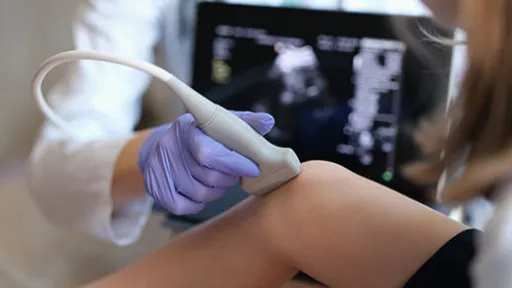
Credit: www.concorde.edu
Frequently Asked Questions
What Are Ultrasound Techs Officially Called?
Ultrasound techs are officially called Diagnostic Medical Sonographers. They use ultrasound equipment to create images of the body’s internal structures for medical diagnosis.
What Does An Ultrasound Tech Do Daily?
An ultrasound tech performs imaging exams, prepares patients, operates ultrasound machines, and assists doctors in diagnosing conditions through sonographic images.
How Is An Ultrasound Tech Different From A Sonographer?
There is no difference; both terms refer to professionals trained to perform diagnostic ultrasound imaging procedures.
What Qualifications Do Ultrasound Techs Need?
Ultrasound techs typically need an accredited associate’s or bachelor’s degree in diagnostic medical sonography and must pass certification exams.
Conclusion
Choosing the right name for ultrasound techs matters. It reflects their skills and roles. Commonly, they are called sonographers. This title highlights their expertise with ultrasound technology. Some might use “ultrasound technicians” or “diagnostic medical sonographers. ” Each term carries its own importance.
These professionals play a crucial part in healthcare. Their work helps doctors make vital decisions. Understanding their titles helps in appreciating their contributions. So, next time you hear these names, think of the skilled individuals behind them. They ensure accurate and safe patient diagnostics every day.