Have you ever wondered what ultrasound techs actually do behind the scenes? If you’re curious about how medical images come to life or thinking about a career in healthcare, understanding the role of an ultrasound technician is a great place to start.
These skilled professionals play a crucial part in helping doctors see inside your body without any pain or surgery. Keep reading to discover exactly what ultrasound techs do, how they impact your health, and why their work matters more than you might think.

Credit: www.concorde.edu
Role Of Ultrasound Technicians
Ultrasound technicians play a vital role in healthcare. They use special machines to create images of the inside of the body. These images help doctors diagnose and treat medical conditions. Ultrasound technicians work closely with patients and medical teams. Their work requires skill, care, and attention to detail.
Daily Responsibilities
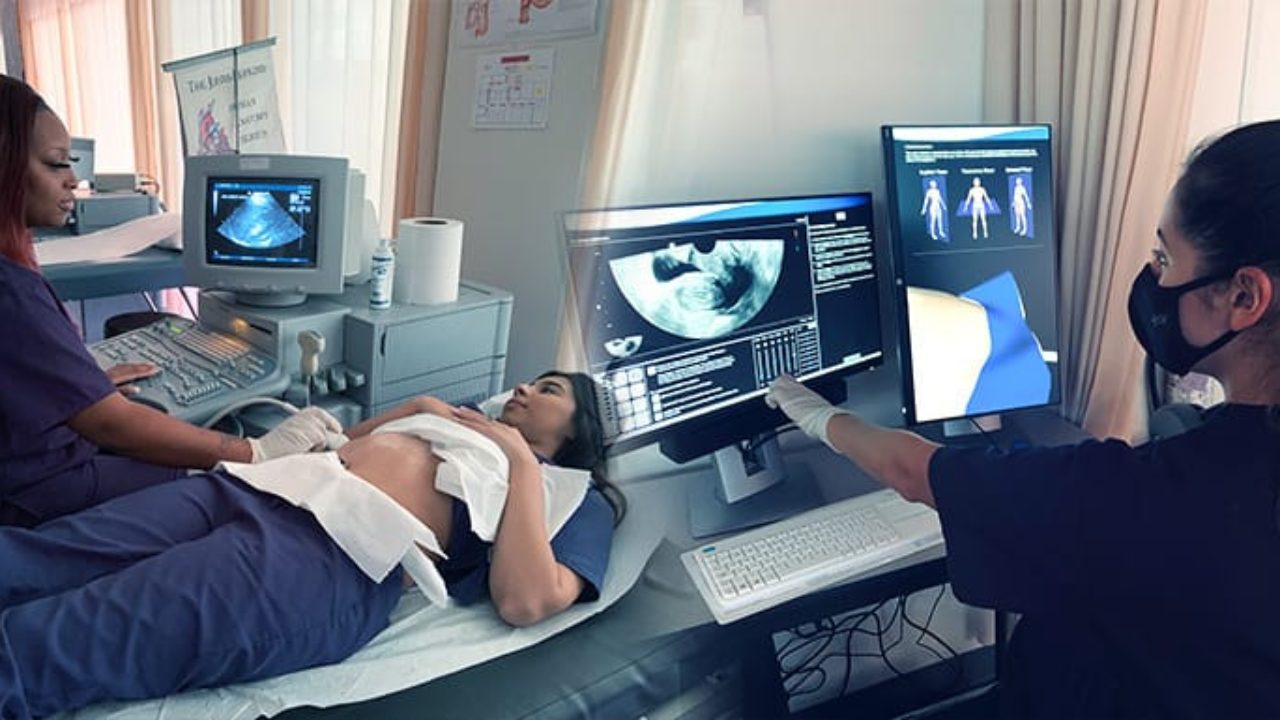
Ultrasound technicians prepare patients for exams. They explain the procedure to help patients feel calm. They operate ultrasound equipment to capture clear images. After the scan, they review images for quality. They record findings and share results with doctors. Maintaining equipment and following safety rules is also important.
Types Of Ultrasound Procedures
Ultrasound technicians perform many kinds of scans. Common types include:
- Abdominal ultrasound to check organs like liver and kidneys
- Obstetric ultrasound to monitor pregnancy and fetal health
- Cardiac ultrasound to examine the heart’s function
- Vascular ultrasound to assess blood flow in veins and arteries
- Musculoskeletal ultrasound to look at muscles and joints
Each procedure requires specific skills and knowledge.
Work Environments
Ultrasound technicians work in various places. Hospitals are the most common setting. They also work in clinics, imaging centers, and doctor’s offices. Some work in research or teaching roles. The job can involve long hours and standing for most of the day. Teamwork and good communication are essential in every environment.
Skills And Training Required
Becoming an ultrasound technician requires a unique blend of education, technical know-how, and interpersonal skills. These professionals don’t just operate machines—they interpret images and interact with patients during sensitive medical procedures. Understanding the skills and training needed will help you gauge if this career suits your strengths and interests.
Educational Pathways
Most ultrasound techs start with an accredited associate degree in diagnostic medical sonography, which usually takes about two years to complete. Some choose a bachelor’s degree for more in-depth knowledge or to open doors for advanced positions. Additionally, certification through organizations like the American Registry for Diagnostic Medical Sonography (ARDMS) is often required by employers and can boost your credibility.
Hands-on clinical experience is a key part of training. You’ll spend time working in hospitals or clinics under supervision, which helps you build confidence and practical skills. How do you think real-world practice compares to classroom learning in preparing you for this role?
Technical Skills
Operating ultrasound equipment demands precision and attention to detail. You need to know how to adjust settings to capture clear images and recognize any abnormalities. Understanding anatomy, physiology, and medical terminology is critical to accurately scanning different body parts.
Tech-savviness goes beyond machine operation—you must troubleshoot equipment issues quickly to avoid delays. You’ll also need to keep detailed patient records and follow strict safety protocols. Can you imagine how a small technical mistake might affect a patient’s diagnosis?
Soft Skills
Ultrasound techs often work closely with patients who may be anxious or in pain. Strong communication skills help you explain procedures clearly and put patients at ease. Patience and empathy can turn a stressful visit into a more comfortable experience.
Teamwork is essential, too. You’ll collaborate with doctors, nurses, and other healthcare staff to provide the best care possible. Being adaptable and able to handle unexpected situations calmly will serve you well in fast-paced clinical environments.
Which of these soft skills do you find most challenging, and how might you develop them during your training?
Equipment And Technology
Ultrasound technicians rely on specialized equipment and advanced technology to perform their tasks. This equipment helps them create detailed images of the inside of the body. The tools they use must be precise and reliable to provide accurate results. Technology plays a vital role in improving how these images are captured and analyzed.
Ultrasound Machines
Ultrasound machines produce sound waves that bounce off tissues and organs. The machine captures these echoes and turns them into images. The main parts include the transducer, monitor, and computer system. The transducer sends and receives sound waves. The monitor displays real-time images for the technician and doctor to see.
Different machines exist for various purposes. Some are portable for quick use. Others are large and designed for detailed scans. Ultrasound techs must know how to operate each machine properly.
Imaging Techniques
Ultrasound techs use several imaging methods to get clear pictures. These include:
- 2D imaging for flat, two-dimensional views
- 3D imaging to show three-dimensional structures
- Doppler ultrasound to measure blood flow and movement
Each method suits specific medical needs. Techs choose the best technique based on the exam required. Proper technique ensures accurate and useful images.
Advancements In Technology
New technology constantly improves ultrasound imaging. High-frequency probes give better image clarity. Software upgrades help enhance image quality and analysis. Some machines now offer real-time 4D imaging, showing movement inside the body.
Artificial intelligence assists in identifying abnormalities. Wireless devices increase mobility for techs during scans. These advancements make diagnostics faster and more precise.

Credit: junxionmedstaffing.com
Collaboration With Healthcare Teams
Ultrasound technicians play a vital role in healthcare by working closely with various medical professionals. Their collaboration ensures accurate imaging and effective patient care. This teamwork helps doctors make better decisions and offer precise treatments.
Working With Physicians
Ultrasound techs assist physicians by capturing clear images. They follow doctors’ instructions to focus on specific body parts. These images help physicians understand health issues faster. Techs also communicate any unusual findings promptly. This partnership improves diagnosis speed and accuracy.
Patient Interaction
Ultrasound techs guide patients through the imaging process calmly. They explain procedures in simple terms to reduce anxiety. Techs ensure patients are comfortable during scans. They listen carefully to patient concerns and answer questions. Good communication builds trust and cooperation.
Role In Diagnosis And Treatment
Ultrasound techs provide essential images that reveal internal conditions. Their work supports early disease detection and monitoring. Doctors rely on these images to plan treatments or surgeries. Techs may also help track progress during recovery. Their role directly impacts patient outcomes.
Challenges Faced By Ultrasound Techs
Ultrasound technicians play a vital role in healthcare, but their work comes with unique challenges. These challenges affect their daily routines and long-term career satisfaction. Understanding what they face can help you appreciate the dedication behind every scan.
Physical Demands
Ultrasound techs spend hours standing and moving around patients. Holding and maneuvering the transducer requires steady hands and strength, especially during lengthy procedures. Repetitive motions can lead to strain in wrists, shoulders, and backs.
Have you ever thought about how much physical endurance it takes to maintain precision under these conditions? Many techs develop routines for stretching and strengthening to reduce injury risks. Employers who provide ergonomic equipment make a big difference in easing these physical stresses.
Emotional Stress
Facing patients who may be anxious or receiving difficult news adds emotional weight to the job. Ultrasound techs often witness moments of joy, but also times of worry and sadness. Balancing professionalism with empathy can be mentally draining.
How do you think you would handle delivering calm and reassurance when emotions run high? Techs learn to manage their feelings while supporting patients, which is an essential skill. Peer support and counseling resources are valuable tools to prevent burnout.
Staying Updated With Innovations
Medical imaging technology evolves quickly, and ultrasound techs must keep up to stay effective. New machines, software updates, and imaging techniques require continuous learning. This means attending workshops, certifications, and on-the-job training.
Could you commit to lifelong learning in a field that never stands still? Techs who stay current provide better care and open doors to career advancement. Make a habit of checking professional resources and joining relevant communities to keep your skills sharp.
Career Growth And Opportunities
Career growth and opportunities for ultrasound technicians are more diverse than many realize. As you gain experience, you can expand your skills and move into various specialized fields. The healthcare industry values ultrasound techs who continually update their knowledge and credentials.
Specializations Available
You don’t have to stay in one area forever. Ultrasound techs can specialize in fields like obstetric and gynecologic sonography, abdominal sonography, vascular technology, or even cardiac sonography. Each specialization opens new doors and often comes with a higher salary.
For example, a tech focusing on vascular sonography might work alongside cardiologists, while someone specializing in obstetrics will be a key part of prenatal care. Which area interests you the most?
Certification And Licensure
Certification isn’t just a piece of paper; it’s a gateway to better job opportunities and higher pay. Most employers prefer or require certification from recognized bodies like the American Registry for Diagnostic Medical Sonography (ARDMS).
Licensure requirements vary by state but staying certified ensures you meet professional standards and maintain your skills. Think about how certification can boost your confidence and credibility with patients and employers alike.
Job Outlook
The demand for ultrasound technicians is expected to grow steadily due to advances in medical imaging and an aging population. Hospitals, clinics, and private practices all need skilled ultrasound techs.
Knowing this, how will you prepare yourself to stay competitive? Continuous learning and specialization are key strategies to secure long-term job stability and advancement.
Credit: healthcarecareercollege.edu
Frequently Asked Questions
What Are The Main Duties Of Ultrasound Techs?
Ultrasound techs operate imaging equipment to capture internal body images. They assist doctors in diagnosing medical conditions accurately. They prepare patients and maintain equipment hygiene. Their role is vital in prenatal care and detecting diseases early.
How Do Ultrasound Techs Assist Doctors?
Ultrasound techs provide clear images that help doctors analyze organs and tissues. They ensure images are high-quality for accurate diagnosis. Techs also explain procedures to patients, improving cooperation and comfort during scans.
What Education Is Needed To Become An Ultrasound Tech?
Most ultrasound techs complete an accredited associate’s degree or certificate program. Training includes anatomy, medical terminology, and hands-on scanning practice. Certification from recognized bodies boosts job prospects and confirms professional skills.
What Specializations Can Ultrasound Techs Pursue?
Ultrasound techs may specialize in areas like obstetrics, cardiovascular, or musculoskeletal imaging. Specialization requires additional training and certification. This allows techs to work in focused medical fields and improve patient outcomes.
Conclusion
Ultrasound techs play a key role in healthcare every day. They use special machines to take images inside the body. These images help doctors find problems quickly and safely. Ultrasound techs must be skilled and careful in their work. Their job requires both knowledge and patience.
Many patients feel comforted by their gentle care. This career offers a chance to help others directly. Understanding what ultrasound techs do shows their true importance.