What is B Tech Degree: Ultimate Guide to Your Engineering Future
Are you curious about what a B Tech degree really means for your future? Whether you’re choosing a course or planning your career, understanding this degree can open doors you didn’t know existed.
Imagine gaining skills that employers are eager to hire for and stepping into a world full of exciting opportunities. You’ll discover exactly what a B Tech degree is, how it works, and why it could be the perfect choice for you.
Keep reading to unlock the key to your success.

Credit: apollouniversity.edu.in
B Tech Degree Basics
Understanding the basics of a B Tech degree can help you decide if this path fits your career goals. This degree offers practical knowledge and technical skills that prepare you for the engineering world. Let’s break down what a B Tech degree really involves, so you know exactly what to expect.
What Is B Tech?
A B Tech, or Bachelor of Technology, is an undergraduate degree focused on engineering and technology. It combines theory with hands-on learning, helping you build skills in areas like computer science, electronics, mechanical engineering, and more. Unlike purely academic courses, B Tech programs often include labs, projects, and internships to give you real-world experience.
Duration And Structure
Typically, a B Tech degree takes four years to complete. The course is divided into eight semesters, each covering specific subjects and practical assignments. You’ll start with foundational topics before moving to specialized subjects in your chosen engineering field.
Most programs require you to complete:
- Core engineering courses
- Electives based on your interests
- Laboratory work and workshops
- Industry internships or projects in the final year
This structure helps you develop both theoretical understanding and practical skills.
Eligibility Criteria
To enroll in a B Tech program, you usually need to have completed your higher secondary education (12th grade) with a focus on science subjects like Physics, Chemistry, and Mathematics. Many universities require a minimum percentage in these subjects.
Entrance exams are common, and you may need to clear tests like JEE Main in India or other country-specific exams. These exams test your aptitude in math and science, so preparation is key.
Ask yourself: Are you comfortable with math and problem-solving? Your answer will help determine if a B Tech degree matches your strengths.
Popular B Tech Specializations
B Tech degrees cover many fields in engineering and technology. Students choose specializations based on their interests and career goals. Each specialization offers unique skills and job opportunities. Understanding popular B Tech specializations helps in making informed decisions.
Computer Science
Computer Science focuses on software, algorithms, and programming. Students learn about data structures, databases, and computer networks. This field prepares students for jobs in software development, IT, and cybersecurity.
Mechanical Engineering
Mechanical Engineering deals with machines and mechanical systems. It covers topics like thermodynamics, mechanics, and manufacturing. Graduates work in industries like automotive, aerospace, and robotics.
Electrical Engineering
Electrical Engineering studies electrical systems and circuits. Students explore power generation, electronics, and control systems. Careers include working with power plants, electronics companies, and communication firms.
Civil Engineering
Civil Engineering is about designing and building infrastructure. It includes roads, bridges, buildings, and water systems. Graduates find jobs in construction, urban planning, and government projects.
Electronics And Communication
This specialization focuses on electronic devices and communication systems. Topics include signal processing, microprocessors, and wireless networks. Graduates work in telecom, consumer electronics, and IT sectors.
Admission Process
The admission process for a B Tech degree involves several key steps. It ensures students meet the academic standards required for engineering studies. The process varies by institution but generally includes exams, merit evaluation, and counseling. Understanding each stage helps applicants prepare better.
Entrance Exams
Most colleges require candidates to clear entrance exams. These tests assess knowledge in subjects like math, physics, and chemistry. Popular exams include JEE Main, BITSAT, and state-level tests. A good score increases chances of admission. Practice and preparation are essential to perform well.
Merit-based Admission
Some institutes admit students based on their high school marks. Merit lists rank students by their percentage or grade point average. Higher marks improve the chances of selection. This method is common in private colleges and universities. Students should focus on board exams for better results.
Counseling And Seat Allocation
After exams and merit lists, counseling sessions begin. Candidates choose preferred colleges and courses during counseling. Authorities allocate seats based on rank and availability. Candidates must attend counseling to confirm their seats. It is important to have backup options ready.
Credit: gdx.in
Curriculum And Skills
The curriculum of a B Tech degree is designed to build strong technical knowledge and practical skills. It covers fundamental engineering concepts and specialized subjects. Students learn through theory classes, labs, and real-world projects.
Skills gained during the course prepare students for various industries and roles. The focus lies on problem-solving, design, and innovation. The program also encourages teamwork and communication abilities.
Core Subjects
Core subjects form the base of engineering education. These include:
- Mathematics and Physics
- Computer Programming
- Electrical and Electronics Fundamentals
- Mechanical Engineering Basics
- Data Structures and Algorithms
- Engineering Mechanics
These subjects help students understand essential principles and technologies.
Practical Training
Practical training involves hands-on experience. Labs simulate real engineering problems. Students work on projects using industry tools and software.
Internships offer exposure to workplace environments. They help students apply classroom knowledge in real scenarios. This training improves technical skills and boosts confidence.
Skill Development
The B Tech curriculum builds various skills beyond technical knowledge. Students develop:
- Analytical thinking for solving complex problems
- Effective communication for teamwork and presentations
- Project management to plan and execute tasks
- Creativity to design innovative solutions
- Adaptability to learn new technologies quickly
These skills prepare students for diverse roles in engineering fields.
Career Opportunities
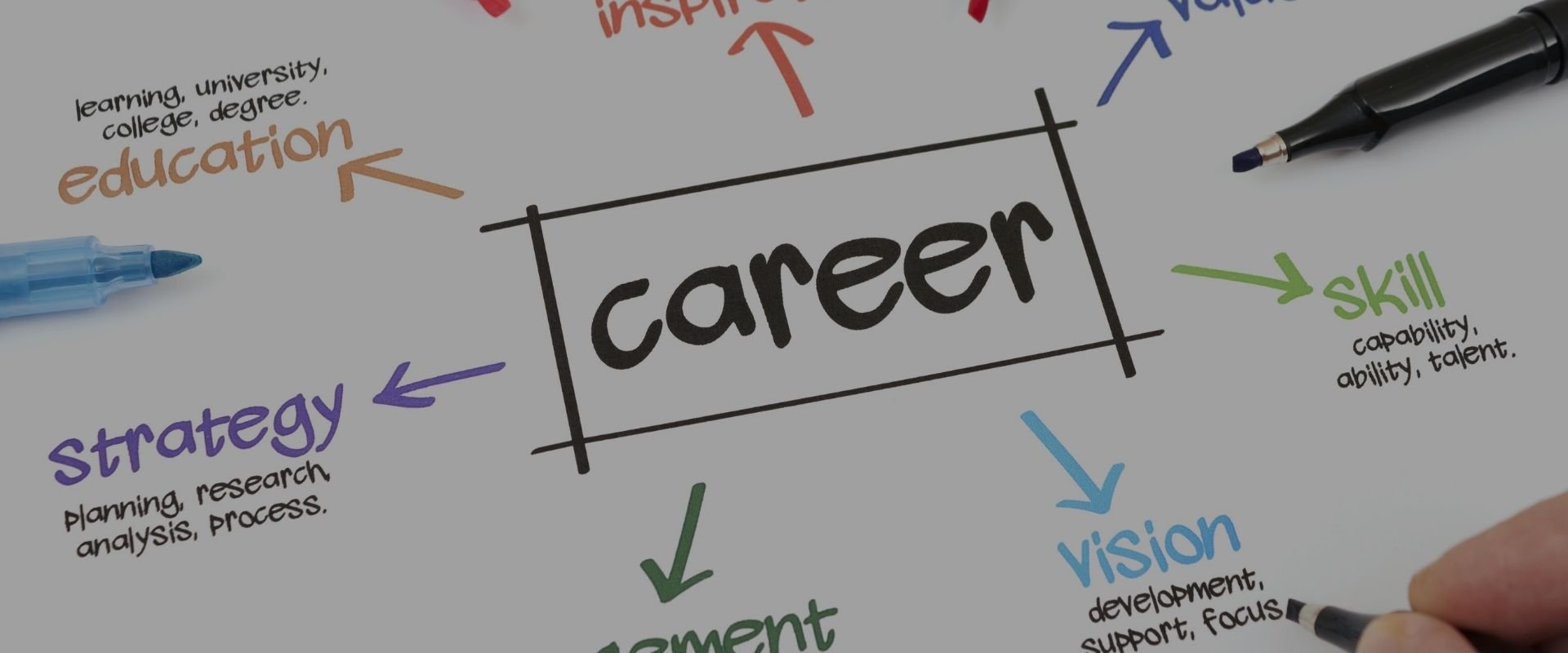
The B Tech degree opens many career doors. It equips students with strong technical skills. These skills match the needs of many industries. Graduates find roles in design, development, testing, and management. The degree also offers paths for further studies. This variety makes B Tech a solid choice for career growth.
Job Roles
- Software Developer
- System Engineer
- Data Analyst
- Network Administrator
- Project Manager
- Quality Assurance Engineer
- Technical Consultant
- Research Engineer
Industries Hiring B Tech Graduates
- Information Technology
- Telecommunications
- Automobile Manufacturing
- Electronics and Hardware
- Banking and Finance
- Healthcare Technology
- Energy and Power
- Construction and Infrastructure
Higher Education Options
- Master of Technology (M.Tech)
- Master of Science (M.S.) in Engineering
- MBA for Management Roles
- Ph.D. for Research Careers
- Certification Courses in AI, Data Science, Cybersecurity

Credit: blog.glbitm.org
Benefits Of Pursuing B Tech
Pursuing a B Tech degree offers more than just a qualification; it builds a pathway to a successful engineering career. The benefits you gain from this degree touch on skills, job prospects, and the chance to create new technologies. Understanding these advantages can help you decide if this is the right path for your future.
Strong Foundation In Engineering
A B Tech degree gives you a solid base in core engineering principles. You learn through practical projects and real-world problem-solving, not just theory. This foundation prepares you to handle complex technical challenges confidently in any engineering field.
Think about how hands-on experience during your studies can make a difference when you start your first job. Employers value candidates who can apply knowledge immediately. Are you ready to build skills that keep you adaptable as technology evolves?
High Demand In Job Market
Engineers are always needed, and a B Tech degree places you in a high-demand group. Industries like IT, manufacturing, and infrastructure constantly seek skilled professionals. This demand often leads to better job security and attractive starting salaries.
Consider how a B Tech can open doors to various sectors. Whether you want to work in robotics or software development, this degree offers flexibility. How will you leverage this demand to shape your career path?
Opportunities For Innovation
A B Tech degree encourages you to think creatively and develop new solutions. Many programs include innovation labs and competitions that push you to design and build original projects. This hands-on approach helps you become a problem solver, not just a technician.
Imagine working on a project that could change how people live or work. This degree gives you the tools to bring your ideas to life. What unique problem would you like to solve with your engineering skills?
Challenges And Considerations
The B Tech degree is a popular choice for students interested in engineering and technology. It offers great opportunities but also comes with challenges. Understanding these challenges helps students prepare better and make informed decisions. The journey requires hard work, focus, and adaptability.
Competitive Environment
The B Tech course has many students competing for limited resources. This creates a high-pressure environment. Students must stand out through good grades and projects. Competition drives students to work harder but can also cause stress. Time management and self-motivation are key to success here.
Course Rigor
The curriculum is demanding with many subjects to cover. Practical labs and theory classes run simultaneously. Assignments and exams require regular effort and dedication. Some topics are tough and need extra study hours. Staying consistent and seeking help when needed improves understanding.
Keeping Up With Technology
Technology changes rapidly, and the B Tech syllabus updates slowly. Students must learn beyond textbooks. Exploring new tools, software, and trends is necessary. This means extra reading and practice outside class hours. Staying updated helps students remain relevant in the job market.
Tips For Success In B Tech
Success in a B Tech degree isn’t just about attending lectures and passing exams. It demands smart strategies that help you understand complex concepts and apply them effectively. You have to balance theory with practical experience and build connections that can support your career growth.
Effective Study Habits
Develop a study routine that fits your learning style. Short, focused study sessions work better than long, tiring ones. Use techniques like summarizing topics in your own words or teaching a concept to a friend to reinforce your understanding.
Don’t just memorize formulas—try to grasp the logic behind them. Practice problems regularly to spot patterns and improve problem-solving speed. How often do you review your notes? Regular revision prevents last-minute cramming and keeps knowledge fresh.
Internships And Projects
Hands-on experience is crucial. Seek internships that challenge you to apply classroom knowledge in real-world situations. Even small projects can teach you valuable skills like teamwork, time management, and technical problem-solving.
Choose projects that align with your interests but push your boundaries. Document your work carefully; it will be useful during job interviews. Have you tried collaborating on open-source projects or competitions? They can boost your resume and confidence.
Networking And Mentorship
Building relationships with peers, professors, and industry professionals opens doors. Attend workshops, seminars, and tech meetups to meet people who share your passion. Don’t hesitate to ask for advice or feedback; mentors can guide you through challenges and career decisions.
Stay active on professional platforms like LinkedIn to connect with alumni and potential employers. Remember, networking is about mutual support, not just asking for favors. Who in your circle can help you grow, and how can you contribute back?
Frequently Asked Questions
What Is A B Tech Degree?
A B Tech degree is an undergraduate engineering program. It focuses on practical and theoretical technical education. The course duration is usually four years. It prepares students for careers in engineering and technology fields.
How Long Does A B Tech Degree Take?
A B Tech degree typically takes four years to complete. It includes eight semesters of study. Each semester covers specific subjects related to engineering. Some universities may offer part-time or lateral entry options.
What Are The Eligibility Criteria For B Tech?
Candidates must have completed 12th grade with science subjects. Physics, Chemistry, and Mathematics are mandatory. Some institutes require entrance exam scores. Minimum percentage criteria vary by university and course.
What Career Options Are Available After B Tech?
Graduates can work as engineers, developers, or consultants. They can join IT, manufacturing, construction, or research sectors. Higher studies like M Tech or MBA are popular choices. Job roles vary based on specialization and skills.
Conclusion
A B Tech degree opens doors to various career paths. It focuses on practical skills and technical knowledge. Students gain hands-on experience in engineering fields. These skills are crucial for solving real-world problems. Graduates often find jobs in technology, manufacturing, and research.
Employers seek B Tech graduates for their expertise and innovative thinking. This degree is a stepping stone to advanced studies too. Many students pursue higher education after B Tech. It’s a solid choice for those interested in engineering and technology.
Consider this degree for a promising future.

Similar Posts