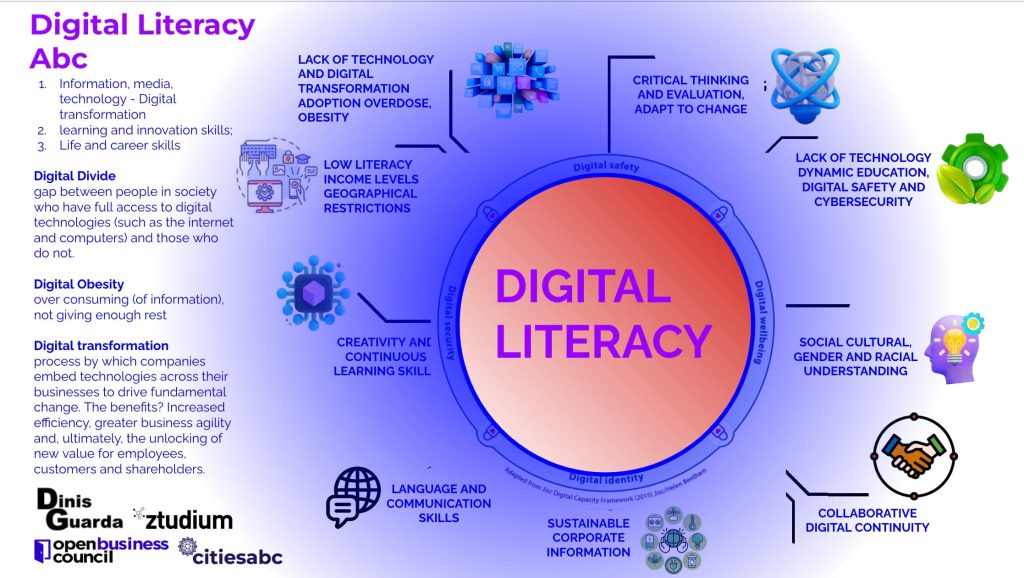
What if you could unlock a new skill that makes your daily life easier and opens doors to exciting opportunities? That skill is tech literacy.
But what exactly is tech literacy, and why should it matter to you? Whether you’re sending emails, shopping online, or managing your finances, understanding technology can give you more control and confidence. Keep reading to discover how tech literacy can change the way you work, learn, and connect with the world around you.
This is something you don’t want to miss.

Credit: medium.com
The Essence Of Tech Literacy
Understanding the essence of tech literacy goes beyond just knowing how to use gadgets. It is about grasping the skills that empower you to navigate digital environments confidently and safely. Tech literacy shapes how you interact with the world today, from simple tasks to complex problem-solving.
Core Digital Skills
At its heart, tech literacy involves a set of core digital skills. These include:
- Using basic software like word processors and spreadsheets.
- Managing online communication tools such as email and messaging apps.
- Understanding how to search for information effectively and critically.
- Protecting your privacy and recognizing online security risks.
Think about the last time you booked a ticket online or updated your social media profile. You were using these core skills without even realizing it. Can you identify any digital skill you find challenging? Addressing that gap can transform your daily tech interactions.
Importance In Modern Life
Tech literacy impacts your work, education, and social life. It helps you stay informed, connected, and efficient in tasks that once required physical presence or paperwork.
Consider how remote work became a norm for many. Without basic tech skills, participating in virtual meetings or sharing documents online would be nearly impossible. How would your life change if you enhanced your tech skills this week?
More than convenience, tech literacy offers you control and independence in a digital world. It’s not just about using technology; it’s about understanding it well enough to make smarter choices every day.

Credit: www.linkedin.com
Building Blocks Of Digital Skills
Digital skills form the foundation of tech literacy. They help individuals use technology confidently and effectively. These skills range from basic computer handling to navigating the web and using various software. Understanding these building blocks is essential for success in today’s digital world.
Basic Computer Skills
Basic computer skills include turning devices on and off, using a keyboard and mouse, and managing files. These skills help users interact with computers smoothly. Knowing how to save, open, and organize files keeps information safe and accessible.
Internet Navigation
Internet navigation means browsing websites and using search engines. It involves understanding URLs, links, and web page layouts. Being able to find reliable information quickly saves time and improves decision-making. Online safety also plays a key role in navigating the internet wisely.
Software And Applications
Software skills involve using programs for work or fun. Common applications include word processors, spreadsheets, and email clients. Learning basic functions like creating documents, sending emails, and managing data increases productivity. Familiarity with apps on smartphones and tablets also adds value.
Tech Literacy In Education
Tech literacy in education means teaching students how to use technology effectively. It helps them learn new skills and prepares them for the future. Schools use digital tools to make learning more interactive and fun. This approach supports different learning styles and speeds.
Incorporating Digital Learning
Schools use computers, tablets, and software in classrooms. Teachers create lessons that include videos, quizzes, and games. Students work on projects using online resources. This method helps students stay focused and engaged. It also allows teachers to track progress easily.
Benefits For Students
- Improves problem-solving and critical thinking skills
- Builds confidence in using technology
- Prepares students for jobs in a digital world
- Makes learning more accessible for all students
- Encourages creativity and collaboration

Credit: etechcompletesolutions.com
Workplace Impact
Tech literacy shapes how employees work and grow in today’s offices. It helps teams use tools well and solve problems fast. This skill also makes it easier to learn new software and systems. Tech literacy raises the whole workplace’s ability to keep up with change and stay productive.
Enhancing Productivity
Employees with tech skills complete tasks faster and with fewer errors. They use software and devices to organize work better. Tech literacy helps workers communicate clearly through emails and chats. It saves time by automating routine jobs. Teams can share files and data smoothly, avoiding delays.
Adapting To Technological Change
Technology changes quickly in every field. Workers who understand tech adjust to new tools easily. They learn new programs without much help. This reduces downtime and keeps projects moving. Tech literacy also helps staff stay confident with updates and new systems. It builds a flexible workforce ready for future demands.
Bridging The Digital Divide
The digital divide is more than just a gap in technology; it’s a barrier that affects education, job opportunities, and social connections. Bridging this divide means making tech literacy accessible to everyone, regardless of where they live or their background. The goal is to ensure you have the tools and knowledge to thrive in today’s digital world.
Access And Inclusion
Access to technology is the first step in closing the digital divide. Without reliable internet and devices, learning tech skills becomes nearly impossible. Many communities still lack affordable broadband or modern computers, making it tough for people to join the digital economy.
Think about your own neighborhood. Are there public spaces like libraries or community centers with free Wi-Fi and computers? If not, how can you expect others to develop necessary tech skills? Inclusion means not only providing devices but also ensuring everyone feels welcome and capable of using them.
Community Initiatives
Community-driven programs play a big role in teaching tech literacy. Local workshops, coding clubs, and mentoring groups create safe spaces where you can learn and ask questions without judgment. These initiatives often tailor their content to the needs of the community, making tech more approachable.
One example is a local library I visited where they offered free classes on basic computer skills and online job searches. Seeing adults gain confidence and land jobs because of these programs was eye-opening. What community resources are available to you, and how can you support or expand them?
Future Trends In Tech Skills
Technology changes fast. Tech skills must keep up. Future trends show new tools and ideas shaping jobs. Understanding these trends helps people stay useful and ready.
Emerging Technologies
New tech like artificial intelligence, blockchain, and virtual reality grow quickly. These tools change how work is done. Knowing basics about them helps in many careers.
Tech skills will include learning to work with smart machines. Data handling and cybersecurity also gain more importance. Being familiar with these areas opens new chances.
Continuous Learning
Tech knowledge is never complete. People must keep learning to stay current. Online courses and tutorials make learning easy and fast.
Practice and updating skills regularly build confidence. Employers value workers who adapt and grow with new tech. Lifelong learning becomes a key habit for success.
Frequently Asked Questions
What Is Tech Literacy And Why Is It Important?
Tech literacy means understanding and using technology effectively. It helps people solve problems, communicate, and stay updated in a digital world. Being tech literate improves job opportunities and daily life skills. It’s essential for personal growth and adapting to technological changes.
How Does Tech Literacy Impact Education?
Tech literacy enhances learning by enabling access to digital resources and tools. It helps students develop critical thinking and problem-solving skills. Educators can use technology to create interactive lessons. Overall, tech literacy prepares students for future careers and lifelong learning.
What Skills Are Needed For Tech Literacy?
Key skills include using computers, software, and the internet safely. Understanding digital communication, data management, and basic coding also matters. Critical thinking and problem-solving abilities help navigate new technologies. These skills empower users to leverage technology efficiently and responsibly.
How Can Individuals Improve Their Tech Literacy?
Practice regularly with various digital devices and software. Take online courses or attend workshops focused on technology skills. Stay updated on new tech trends and tools. Join tech communities to share knowledge and solve problems collaboratively.
Conclusion
Tech literacy opens doors to endless opportunities. Understanding technology helps us adapt. It builds confidence in using digital tools. Embrace tech learning to enhance daily life. Stay curious and explore new tech trends. Being tech-savvy boosts problem-solving skills. It empowers us to participate in the digital world.
Learning tech is a lifelong journey. Remember, small steps lead to big advancements. Keep learning, keep growing. Tech literacy is key to thriving today. Engage with tech, shape your future. Use technology to connect, create, and innovate. Foster tech skills for better communication.
It’s never too late to start learning.