What Does a Radiologist Tech Do: Key Roles & Career Insights
Have you ever wondered who helps doctors see inside your body without making a single cut? That’s where a radiologist tech comes in.
If you’re curious about what these professionals do every day and how they play a key role in your health, you’re in the right place. Understanding their work can help you feel more confident during medical exams and appreciate the technology behind modern healthcare.
Keep reading to discover exactly what a radiologist tech does and why their job matters to you.
Radiologist Tech Responsibilities
The role of a radiologist tech involves a variety of important responsibilities that ensure accurate imaging and patient safety. These tasks require both technical skills and a compassionate approach. Understanding these duties helps you appreciate the critical part they play in medical diagnosis and treatment.
Imaging Procedures
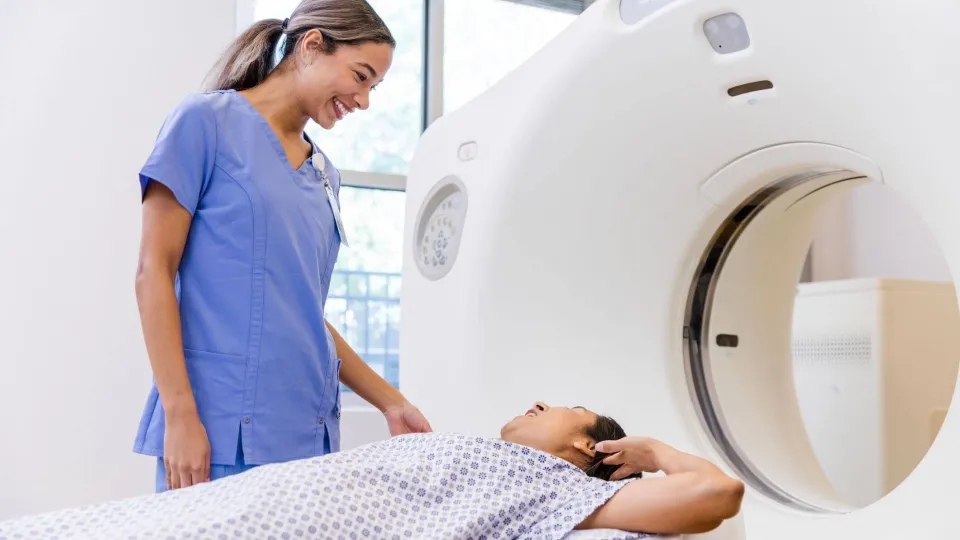
Radiologist techs perform different imaging procedures like X-rays, CT scans, and MRIs. They must position patients correctly to capture clear images. Precise imaging is essential because it directly affects the doctor’s ability to diagnose.
Each procedure has specific steps and settings, so techs need to be detail-oriented. Have you ever wondered how a small change in angle can reveal a hidden fracture? That’s why their expertise matters so much.
Patient Interaction
Working closely with patients is a big part of the job. Radiologist techs explain procedures, answer questions, and help ease any anxiety. This human connection can make a big difference in how comfortable a patient feels.
Effective communication also means ensuring patients follow instructions for the best results. Imagine trying to stay still during a scan—clear guidance from the tech can improve image quality and speed up the process.
Equipment Maintenance
Keeping imaging machines in good working order is crucial. Radiologist techs regularly check and calibrate equipment to avoid errors. Faulty machines can lead to poor images or delays, impacting patient care.
They also report any technical issues promptly to avoid downtime. Think about how frustrating it would be to wait for a delayed scan—proper maintenance prevents such problems.
Safety Protocols
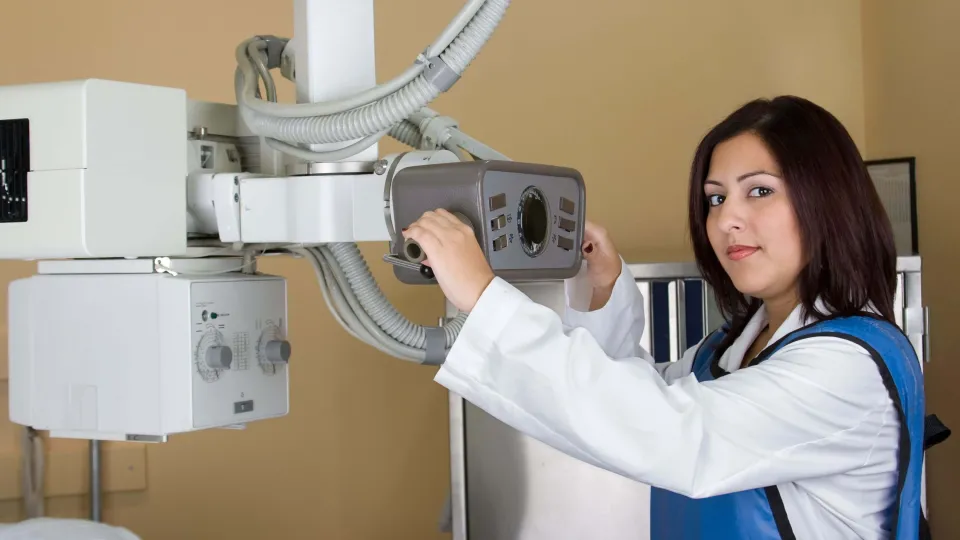
Safety is a top priority, especially because some imaging involves radiation. Radiologist techs follow strict protocols to protect themselves and patients. This includes using shields and monitoring exposure levels.
They stay updated on safety guidelines and adjust practices accordingly. How would you feel knowing that these measures reduce health risks while still getting accurate results?
Credit: www.concorde.edu
Skills Required
Becoming a radiologist tech demands a unique set of skills that blend technical knowledge with interpersonal abilities. These skills ensure accurate imaging results and smooth patient experiences. Understanding what you need to succeed can help you prepare better for this dynamic role.
Technical Proficiency
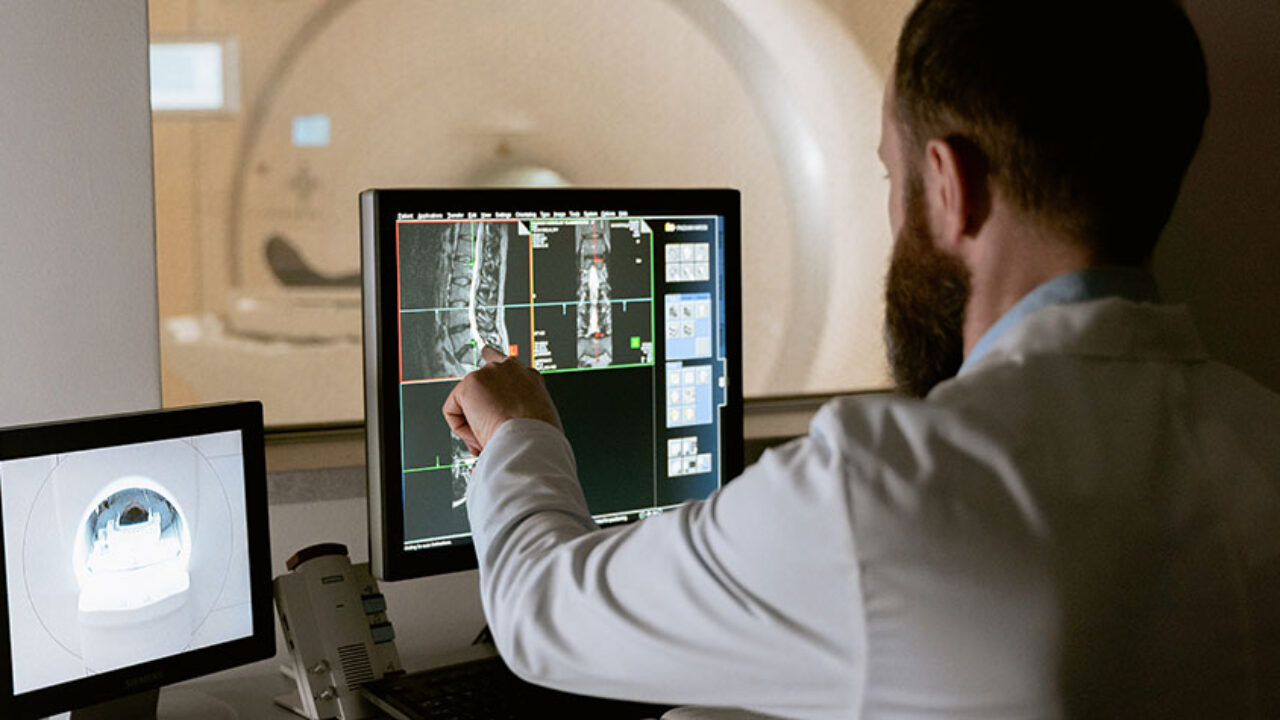
Radiologist techs must handle complex imaging equipment such as X-ray machines, CT scanners, and MRI devices. Mastering these tools requires both formal training and hands-on practice. You’ll need to stay updated with evolving technology to produce clear, precise images that doctors rely on for diagnoses.
Think about how even a slight error in machine settings can affect image quality. Can you imagine the difference between a blurred X-ray and one that clearly shows a fracture? Technical skills aren’t just about operating machines—they’re about ensuring accuracy every time.
Communication Skills
Effective communication is crucial when working with patients who may feel anxious or unsure about procedures. You’ll need to explain the steps clearly and reassure them throughout the process. Your ability to listen and respond can make the experience less stressful and improve cooperation.
Besides patients, you’ll also communicate with radiologists and other healthcare professionals. Sharing detailed observations and any concerns about imaging results helps the medical team provide better care. How well you convey information can directly impact patient outcomes.
Attention To Detail
In this role, small details matter greatly. You must carefully position patients and adjust equipment settings to capture the exact area needed for diagnosis. Missing a tiny detail can lead to repeated scans, delaying treatment and increasing radiation exposure.
Spotting anomalies in images or noticing when something seems off demands sharp focus. Have you ever noticed how a single overlooked detail can change the whole picture? This skill helps you deliver reliable results every time.
Problem-solving Abilities
Unexpected challenges often arise during imaging procedures, such as equipment malfunctions or patient discomfort. You’ll need to think quickly and adapt to keep the process running smoothly. Finding solutions on the spot is part of what makes this job both demanding and rewarding.
For instance, adjusting techniques for patients with limited mobility requires creativity and patience. How would you handle a situation where a standard procedure isn’t feasible? Your problem-solving skills ensure that every patient receives the best possible care despite obstacles.
Educational Path
Choosing the educational path to become a radiologist tech is a crucial step that shapes your career. The journey includes specific degree programs, certification requirements, and ongoing learning to stay current. Each part plays a key role in preparing you for the demands of this healthcare profession.
Degree Programs
Most radiologist techs start with an associate’s degree in radiologic technology, which usually takes about two years. Some opt for a bachelor’s degree for more in-depth knowledge and better job prospects. These programs combine classroom learning with hands-on clinical experience, so you get practical skills as well as theory.
Think about whether you want a program that offers specialties, such as MRI or CT scanning. Choosing the right school can impact your education quality and future opportunities. Are you ready to commit to a program that blends science and patient care?
Certification Requirements
Certification is often mandatory to work as a radiologic technologist. The American Registry of Radiologic Technologists (ARRT) is the main certifying body in the U.S. To earn certification, you must pass a comprehensive exam after completing an accredited program.
Certification proves your competence and opens doors to more job options. Some states also require a separate license, so check local rules carefully. How prepared are you to meet these standards and prove your skills?
Continuing Education
Once certified, continuing education is essential to keep your skills sharp and maintain your license. Radiology technology evolves quickly, with new machines and techniques emerging regularly. You’ll need to complete a set number of education hours every few years.
This ongoing learning can involve workshops, online courses, or attending conferences. Staying updated not only benefits your career but also improves patient care. Are you ready to keep growing even after you start working?
Credit: www.cambridgehealth.edu
Career Opportunities
Radiologist techs have many career options across different healthcare settings. These roles allow them to use their skills in imaging technology to help diagnose patients. The demand for radiologic technologists is steady, offering job stability and growth potential.
Career paths vary by workplace and specialty. Each setting offers unique experiences and chances to develop expertise. Understanding these options helps choose the best fit for your interests and goals.
Hospital Settings
Hospitals offer diverse work environments for radiology techs. They perform imaging exams on patients of all ages and conditions. Hospital jobs often involve teamwork with doctors and nurses.
- Emergency imaging for trauma cases
- Routine X-rays and CT scans
- Support in surgical procedures
Working in a hospital may require shift work, including nights and weekends. The fast pace helps techs build skills quickly.
Outpatient Clinics
Outpatient clinics focus on scheduled imaging services. Radiologist techs here usually work regular daytime hours. The pace is often steadier than in hospitals.
- Performing routine X-rays and ultrasounds
- Assisting in diagnostic imaging
- Interacting directly with patients
Clinics provide a chance to build strong patient communication skills. The environment is often more relaxed compared to hospitals.
Specialized Fields
Radiologist techs can specialize in areas like MRI, CT, or mammography. Specialized roles require extra training and certification. These fields often offer higher pay and advanced technology use.
- Magnetic Resonance Imaging (MRI)
- Computed Tomography (CT)
- Mammography for breast imaging
- Interventional radiology assisting in procedures
Specializing helps techs focus on their interests and advance their careers.
Challenges Faced
Being a radiologist tech involves more than just operating machines and capturing images. You constantly face challenges that test your skills, patience, and adaptability. Understanding these hurdles can help you prepare better and excel in this demanding yet rewarding field.
Technological Advancements
New imaging technologies arrive frequently, and keeping up can be tough. You need to learn how to use complex equipment quickly while ensuring accuracy. Sometimes, the pressure to master these tools feels overwhelming, especially when patient care depends on your expertise.
Have you ever struggled to understand a new software update on a critical machine? This challenge pushes you to stay curious and proactive in your learning. Your ability to adapt directly impacts the quality of diagnostics.
High-stress Environment
The workplace can get intense, especially during emergencies or when dealing with critically ill patients. You must stay calm and focused despite the pressure. Mistakes are not an option, so the stress can be a heavy burden.
Imagine handling a full schedule, managing anxious patients, and troubleshooting equipment all at once. This environment demands resilience and strong problem-solving skills. How do you maintain your composure when everything feels urgent?
Patient Diversity
Every patient is different, from their medical conditions to their emotional needs. You interact with people of all ages, backgrounds, and comfort levels with medical procedures. Tailoring your communication and approach can be challenging but is essential for effective care.
Consider how you explain a procedure to a scared child versus an elderly patient. Your empathy and flexibility can make a big difference in their experience. How do you adjust your methods to connect with each individual?
Credit: www.concorde.edu
Future Trends
The role of a radiologist tech is evolving rapidly as technology and healthcare needs change. Staying updated on future trends can help you anticipate what skills to develop and what to expect in this dynamic field. Let’s look at some key trends shaping the future of radiology technology.
Artificial Intelligence In Radiology
Artificial intelligence (AI) is becoming a powerful tool in radiology. It helps radiologist techs by automating image analysis, which speeds up the process and improves accuracy.
Imagine being able to quickly spot subtle abnormalities that might be missed by the human eye. AI can assist in prioritizing urgent cases, making your work more efficient and impactful.
Are you ready to work alongside AI tools that augment your skills rather than replace them?
Telehealth Impact
Telehealth is changing how radiology services are delivered. Radiologist techs can now perform imaging procedures remotely or support doctors in different locations through digital platforms.
This trend expands access to healthcare, especially in rural or underserved areas. It also means you might need to be comfortable with new communication technologies and remote patient interactions.
How will you adapt your skills to thrive in a more connected and virtual healthcare environment?
Growth In Demand
The demand for radiologist techs is growing steadily due to an aging population and increasing need for diagnostic imaging. This growth means more job opportunities and potentially better salaries.
With this increase, continuous learning becomes essential to stay competitive. Focusing on specialized certifications or new imaging modalities can set you apart.
What steps will you take today to secure your place in this expanding field?
Frequently Asked Questions
What Are The Main Duties Of A Radiologist Tech?
A radiologist tech operates imaging equipment to capture X-rays, MRIs, and CT scans. They prepare patients and ensure clear images for diagnosis.
How Does A Radiologist Tech Assist Doctors?
They provide doctors with detailed images to help diagnose injuries or diseases. Accurate imaging aids in effective treatment planning.
What Skills Are Essential For A Radiologist Tech?
Key skills include technical knowledge, patient care, attention to detail, and understanding safety protocols for radiation exposure.
How Long Does It Take To Become A Radiologist Tech?
Becoming a radiologist tech typically requires 1-2 years of specialized education and clinical training, plus certification.
Conclusion
Radiology techs play a key role in healthcare every day. They operate machines that help doctors see inside the body. Their work supports quick and accurate diagnosis. They must follow safety rules to protect patients and themselves. Training and skill are important to do this job well.
Many find this career both challenging and rewarding. Now you know what a radiologist tech does and why it matters.

Similar Posts