
Have you ever wondered who keeps a close eye on your heart’s signals or monitors important medical equipment quietly behind the scenes? That’s where a telemetry tech steps in.
If you’re curious about this vital healthcare role or thinking about a career that blends technology and patient care, understanding what a telemetry tech does is a great place to start. You’ll discover exactly what their job involves, why their work matters, and how they make a difference every day.
Ready to learn more? Let’s dive in.
Credit: fvi.edu
Role Of A Telemetry Tech
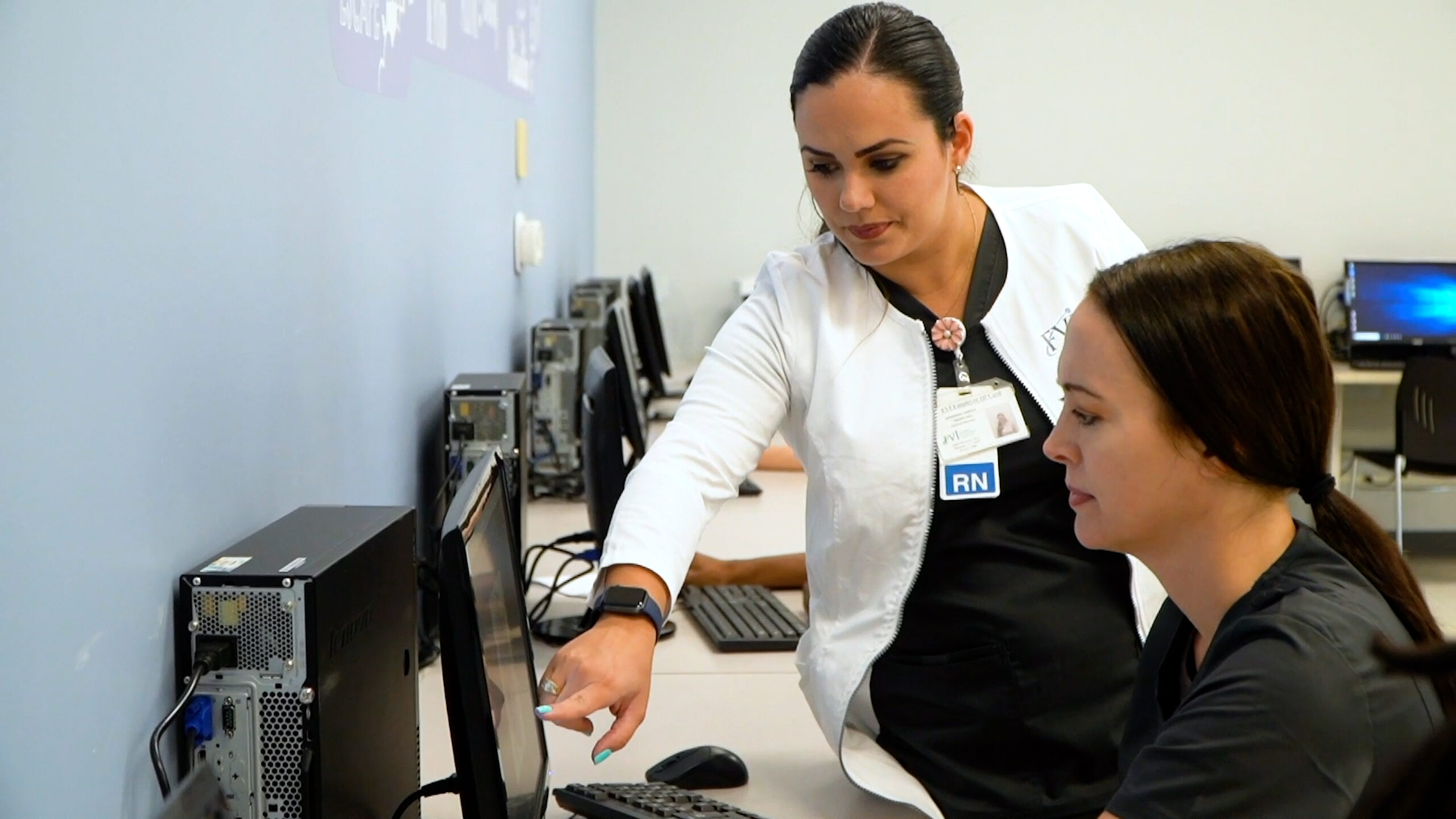
The role of a telemetry tech is vital in healthcare settings, especially in monitoring patients’ heart activities and vital signs remotely. You act as the bridge between complex medical equipment and the healthcare team, ensuring accurate data is collected and analyzed in real time. This role demands attention to detail and quick decision-making to support patient care effectively.
Daily Responsibilities
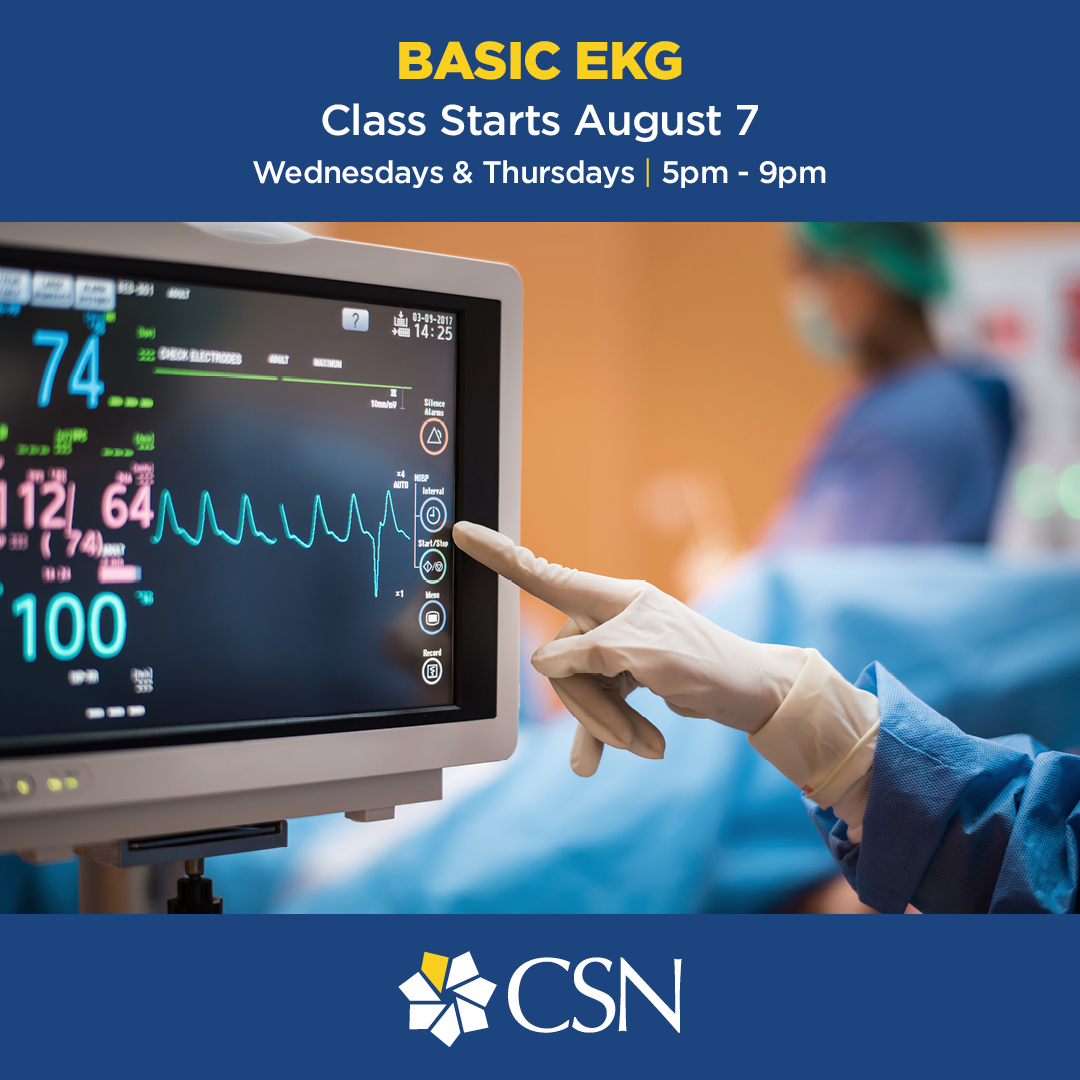
Your day revolves around monitoring cardiac telemetry equipment that tracks patients’ heart rhythms and vital signs. You watch for any irregularities or alarms and notify nurses or doctors immediately if you spot something concerning.
Besides monitoring, you regularly maintain and troubleshoot the telemetry devices to keep them working smoothly. Documentation is a key part of your day—logging patient data accurately helps the medical team make informed decisions.
Key Skills Required
- Attention to Detail:You must spot subtle changes in heart rhythms that could signal serious issues.
- Technical Proficiency:Understanding how to operate and troubleshoot telemetry equipment is essential.
- Communication:Clear and timely communication with healthcare staff can be a matter of life and death.
- Critical Thinking:You need to assess data quickly and decide when to escalate concerns.
Work Environment
Telemetry techs usually work in hospitals or specialized clinics. Your workspace is often a monitoring station filled with multiple screens displaying patient data.
The environment can be fast-paced and demanding, especially during emergencies. You may work shifts, including nights and weekends, to provide continuous patient monitoring.
Have you considered how your ability to stay calm under pressure could impact patient outcomes in this role?
Credit: www.facebook.com
Telemetry Technology In Healthcare
Telemetry technology plays a vital role in healthcare by continuously monitoring patients’ vital signs. It allows medical staff to track health data remotely. This technology improves patient care and response time. It supports better decision-making in hospitals and clinics.
Types Of Monitoring Devices
Various devices collect health data through telemetry. Common types include:
- Heart rate monitors
- Blood pressure monitors
- Pulse oximeters
- Respiratory rate sensors
- Temperature sensors
These devices are often wearable or attached to the patient’s body. They send continuous data to healthcare providers for analysis.
Data Collection Methods
Telemetry systems gather data using wireless or wired connections. Sensors detect vital signs and send data in real time. The data is stored in secure databases. Healthcare teams access this information to monitor patient status. Algorithms may analyze data trends to alert staff to changes.
Real-time Patient Tracking
Real-time tracking allows instant updates on patient conditions. Medical staff can respond quickly to emergencies. This reduces risks and improves outcomes. Hospitals use dashboards to view multiple patients’ data at once. Alerts notify nurses or doctors about critical changes immediately.
Impact On Patient Care
Telemetry technicians play a vital role in improving patient care. They monitor patients’ heart activity and other vital signs in real time. This constant watch helps catch problems early and supports doctors in making better decisions. The work of telemetry techs directly affects how quickly and effectively patients receive care.
Early Detection Of Issues
Telemetry techs track vital signs like heart rate and rhythm continuously. They spot abnormal changes before symptoms appear. Early warnings allow doctors to act fast and prevent serious problems. This timely detection can save lives and reduce hospital stays.
Improving Treatment Outcomes
By providing accurate and up-to-date information, telemetry techs help doctors tailor treatments. They monitor responses to medications and therapies closely. Adjustments are made quickly based on real data. This leads to better recovery and fewer complications for patients.
Enhancing Patient Safety
Continuous monitoring reduces risks during hospital stays. Telemetry techs alert staff to emergencies like irregular heartbeats or breathing issues. This prompt response helps avoid dangerous situations. Patients feel safer knowing they are under constant observation.

Credit: xn--gini-ooa.com
Training And Certification
Training and certification are key for anyone wanting to work as a telemetry tech. This role involves monitoring patients’ vital signs using special equipment. Proper training ensures techs understand how to use and maintain this equipment safely and accurately. Certification proves their skills and knowledge meet industry standards.
Many employers require formal education and certification before hiring telemetry techs. These help build confidence in a tech’s ability to perform important tasks. Learning does not stop after certification. Continuing education keeps skills fresh and up-to-date with new technology and methods.
Educational Pathways
Most telemetry techs start with a high school diploma or GED. After that, they pursue further training through community colleges or technical schools. Programs often last from a few months to two years. Common courses include anatomy, physiology, and medical terminology. Hands-on training with telemetry equipment is also part of the curriculum.
Some schools offer associate degrees in cardiovascular technology or related fields. These programs provide deeper knowledge and more practice. Graduates are ready to take certification exams and enter the workforce confidently.
Certification Options
Certifications show employers that a telemetry tech meets professional standards. The most recognized certification is the Certified Cardiographic Technician (CCT). It is offered by the Cardiovascular Credentialing International (CCI). This exam tests knowledge of EKG, telemetry monitoring, and arrhythmia recognition.
Other certifications include the Registered Cardiac Monitor Technician (RCMT) and Certified EKG Technician (CET). Some states require specific licenses or certifications to work as a telemetry tech. Always check local rules before starting a job.
Continuing Education
Technology in healthcare changes fast. Telemetry techs must keep learning to stay effective. Many certifications require renewal every few years. Renewing often means completing continuing education units (CEUs).
Continuing education can include workshops, online courses, or conferences. These activities help telemetry techs learn new skills and review old ones. Staying current improves patient care and job opportunities.
Challenges Faced By Telemetry Techs
Telemetry technicians play a vital role in monitoring patient data and ensuring accurate transmission of information. Their job comes with several challenges that test their technical skills and emotional strength. These challenges impact their daily work and require constant attention and problem-solving.
Technical Difficulties
Telemetry techs often face equipment malfunctions. Devices may fail to record or send data properly. Troubleshooting these issues quickly is essential. They must understand complex systems and fix problems under pressure. Regular updates and maintenance can be demanding and time-consuming.
Handling Critical Data
Telemetry techs manage sensitive patient information. Accuracy is crucial to avoid errors that affect care. They must follow strict protocols to protect data privacy. Misinterpretation or loss of data can lead to serious consequences. Constant vigilance is necessary to maintain data integrity.
Stress And Workload Management
The work environment is often fast-paced and high pressure. Telemetry techs monitor multiple patients at once. They must stay alert for signs of emergencies. Long shifts and unpredictable hours add to stress. Finding balance and managing fatigue is vital for performance and well-being.
Future Trends In Telemetry
The future of telemetry technology is shaping up to be both exciting and transformative. As telemetry tech evolves, it will not only improve how data is collected and analyzed but also how it impacts patient care and decision-making. Understanding these future trends helps you stay ahead in a field that’s rapidly changing.
Advancements In Technology
Telemetry devices are becoming smaller, more accurate, and more energy-efficient. New sensors can monitor multiple vital signs simultaneously, providing a fuller picture of a patient’s health. Imagine wearable telemetry devices that last weeks on a single charge, allowing continuous monitoring without frequent interruptions.
These advancements mean quicker responses to health changes and fewer hospital visits for patients. Have you considered how this could change your approach to remote patient monitoring?
Integration With Ai And Machine Learning
AI and machine learning are enhancing telemetry by making sense of vast amounts of data faster than ever before. These technologies can detect subtle patterns that humans might miss, predicting potential health issues before they become critical. This lets you act proactively rather than reactively.
For example, AI can analyze heart rate trends to predict arrhythmias, alerting healthcare providers in real-time. What if your telemetry system could alert you to problems before symptoms even appear?
Expanding Roles In Healthcare
Telemetry tech is no longer limited to critical care or hospitals. It’s moving into home care, outpatient settings, and even fitness tracking. This expansion offers you more options to monitor health outside traditional clinical environments.
As telemetry becomes more integrated with everyday health routines, it empowers both patients and providers to collaborate on better outcomes. How might this change your role or responsibilities in healthcare delivery?
Frequently Asked Questions
What Does A Telemetry Tech Do Daily?
A telemetry tech monitors patients’ heart rhythms using specialized equipment. They ensure data accuracy and alert healthcare staff of abnormalities promptly.
What Skills Are Required To Become A Telemetry Tech?
Telemetry techs need attention to detail, technical proficiency, and strong communication. They must understand cardiac rhythms and operate monitoring devices effectively.
How Long Does It Take To Become A Telemetry Tech?
Becoming a telemetry tech typically requires 1-2 years of training through a certificate or associate degree program, plus clinical experience.
Where Do Telemetry Techs Usually Work?
Telemetry techs commonly work in hospitals, cardiac care units, and outpatient clinics, providing continuous heart monitoring for patients in critical care.
Conclusion
A telemetry tech plays a vital role in healthcare. They monitor patients’ heart rhythms. Quick detection of issues can save lives. These professionals work closely with nurses and doctors. Their skills ensure accurate data collection. A rewarding and challenging career choice.
Understanding technology and patient care is key. Telemetry techs need attention to detail. They often work in hospitals or clinics. Training and certification are essential for this role. If you enjoy helping others, consider this career path. It’s crucial in modern healthcare.
A promising opportunity with room for growth.