What is an Hvac Tech: Essential Skills and Career Insights
Have you ever wondered who keeps your home comfortable no matter the season? That’s where an HVAC tech comes in.
These skilled professionals make sure your heating, ventilation, and air conditioning systems work perfectly. If you’ve ever asked yourself, “What exactly does an HVAC tech do? ” or “How can they help me? ” you’re in the right place. Keep reading to discover what an HVAC tech is, why their work matters to your daily life, and how they can save you time, money, and stress.
Credit: www.carrierenterprise.com
Role Of An Hvac Tech
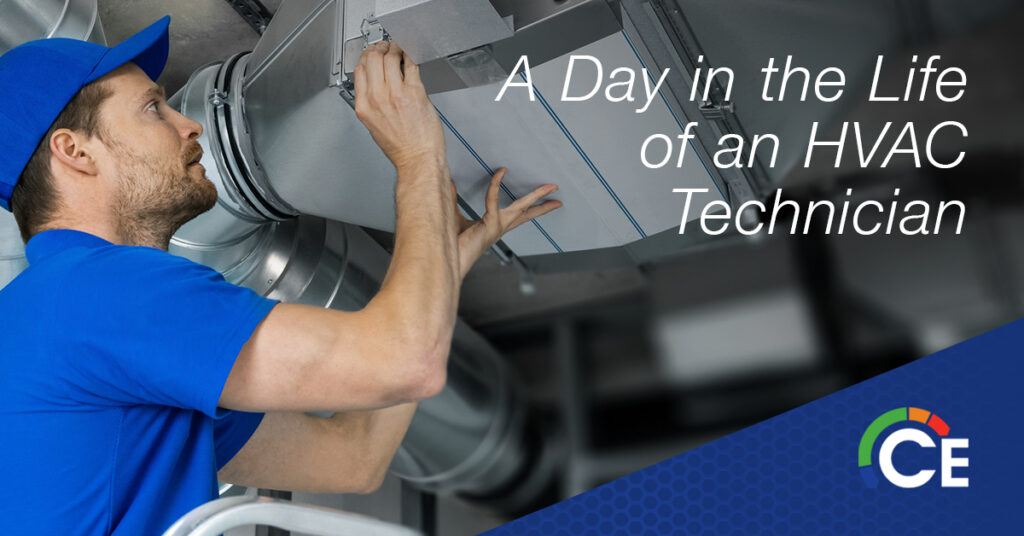
The role of an HVAC tech is essential in maintaining comfort and safety in homes and businesses. These professionals install, repair, and service heating, ventilation, and air conditioning systems. Their work ensures indoor environments stay warm in winter and cool in summer.
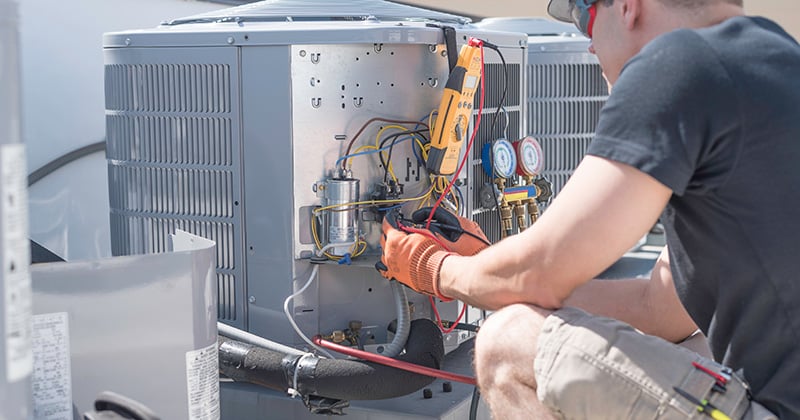
HVAC techs use technical skills to diagnose system problems quickly. They keep equipment running efficiently and help reduce energy costs. Their job requires knowledge of electrical systems, refrigerants, and mechanical parts.
Daily Responsibilities
- Inspect and test HVAC systems for proper operation
- Diagnose and fix mechanical and electrical issues
- Clean and replace filters and parts
- Install new heating and cooling equipment
- Perform routine maintenance to prevent breakdowns
- Read blueprints and follow safety guidelines
- Communicate with clients about repairs and services
Work Environments
- Residential homes
- Commercial buildings
- Industrial facilities
- Outdoor sites for equipment installation
- Workshops or service centers
- Emergency repair calls at any hour
Types Of Hvac Systems
- Split systems with separate indoor and outdoor units
- Packaged heating and cooling units
- Heat pumps for both heating and cooling
- Furnaces using gas, oil, or electricity
- Central air conditioning systems
- Ventilation and exhaust systems
Key Skills For Success
Success as an HVAC technician depends heavily on a specific set of skills that go beyond just knowing how to fix equipment. These skills help you handle daily challenges, keep customers satisfied, and maintain safety standards. Let’s break down the key skills that will set you apart in this field.
Technical Expertise
Your ability to understand and work with HVAC systems is the foundation of your job. This includes knowing how to install, repair, and maintain heating, ventilation, and air conditioning units.
Technical expertise means staying updated on the latest tools and technologies. Have you ever struggled with a new system and realized how crucial ongoing learning is? That’s exactly why continuous training matters.
Problem-solving Abilities
Every HVAC system you encounter will have its unique issues. Your job is to quickly diagnose problems and find effective solutions.
Strong problem-solving means you don’t just fix symptoms—you identify root causes. Can you think of a time when a quick fix didn’t solve the issue until you dug deeper? That kind of thinking saves time and builds trust.
Customer Service Skills
Working with people is a big part of being an HVAC tech. Clear communication and a friendly attitude make customers feel confident in your work.
Sometimes, explaining complex technical details in simple terms is necessary. How do you handle situations when customers are worried or frustrated? Your ability to listen and respond thoughtfully turns those moments into positive experiences.
Physical And Safety Requirements
The job often requires lifting heavy equipment, working in tight spaces, and standing for long periods. Being physically prepared helps you perform well and avoid injuries.
Safety is non-negotiable. You must follow strict guidelines to protect yourself and others, especially when handling electrical components or refrigerants.
Are you ready to commit to these physical demands and safety practices every day? Your well-being depends on it.
Training And Certification
Training and certification form the foundation of a skilled HVAC technician’s career. These professionals must learn how to install, maintain, and repair heating, ventilation, and air conditioning systems safely and efficiently. Proper education ensures they understand complex systems and follow safety standards. Certification proves their knowledge and builds trust with employers and customers.
Educational Pathways
Many HVAC technicians start with a high school diploma or equivalent. Technical schools and community colleges offer certificate and associate degree programs. These programs cover basic electrical work, system design, and refrigeration principles. Hands-on training is a key part of these courses. Learning the theory and practice prepares students for real-world challenges.
Important Certifications
Certifications boost a technician’s credibility and job prospects. The EPA Section 608 certification is required to handle refrigerants legally. Other valuable certifications include:
- North American Technician Excellence (NATE)
- HVAC Excellence
- Refrigeration Service Engineers Society (RSES)
These certificates show expertise and commitment to quality work. Many employers prefer or require certified technicians.
Apprenticeship Opportunities
Apprenticeships combine paid work with classroom learning. They offer real experience under skilled professionals’ guidance. Apprenticeships typically last 3 to 5 years. This path helps build strong skills and industry connections. Many apprentices earn certifications during this time. It is a practical way to enter the HVAC field and grow professionally.
Credit: www.insideadvisorpro.com
Career Growth And Opportunities
The HVAC field offers strong career growth and many job opportunities. Demand for skilled technicians continues to rise. This growth creates paths for beginners and experienced workers. The industry welcomes those ready to learn and advance. Many roles and specializations allow for a tailored career path.
Entry-level Roles
Entry-level HVAC jobs include installer and helper positions. These roles teach basic skills like system setup and maintenance. Many start as apprentices, learning from experienced techs. Training combines hands-on work with classroom lessons. These jobs build a solid foundation for future growth.
Advancement Options
Technicians can move up to supervisory or lead roles. Experience helps in managing projects and teams. Some become service managers or sales representatives. Certification and continued education open doors to higher pay. Career growth often depends on skill and dedication.
Specialization Areas
Specializing can lead to expert roles in specific systems. Common areas include refrigeration, heating, ventilation, and controls. Some techs focus on commercial or industrial HVAC systems. Others work with green energy and energy-efficient technologies. Specialization increases job security and earning potential.
Challenges In The Hvac Field
Working as an HVAC technician comes with its unique set of challenges. Understanding these obstacles can prepare you better for the realities of the field. From physical risks to fluctuating workloads and rapid tech updates, the job demands both resilience and adaptability.
Common Work Hazards
HVAC techs often work in tight spaces, on rooftops, or in attics, exposing themselves to falls and injuries. Handling heavy equipment means the risk of strains and sprains is always present.
Exposure to refrigerants and chemicals can cause health issues if proper safety gear isn’t used. Have you ever considered how vital safety training is to protect yourself on the job?
Seasonal Demand Fluctuations
Workloads can spike dramatically during summer and winter months when heating and cooling systems are in high use. This means longer hours and increased stress during these peak seasons.
Conversely, off-peak times might bring a slower pace, which can affect income stability. How do you manage your schedule and finances to handle these ups and downs?
Technological Changes
The HVAC industry is evolving with smart thermostats, energy-efficient systems, and new diagnostic tools. Staying updated requires constant learning and sometimes additional certifications.
Technicians who resist adapting may find themselves left behind. Are you ready to invest time in learning new skills that keep you competitive?
Credit: www.nait.ca
Tips For Aspiring Hvac Technicians
Starting a career as an HVAC technician requires more than just technical knowledge. It demands real-world experience, strong connections, and continuous learning. These tips help aspiring HVAC technicians prepare for a successful path in the industry.
Building Hands-on Experience
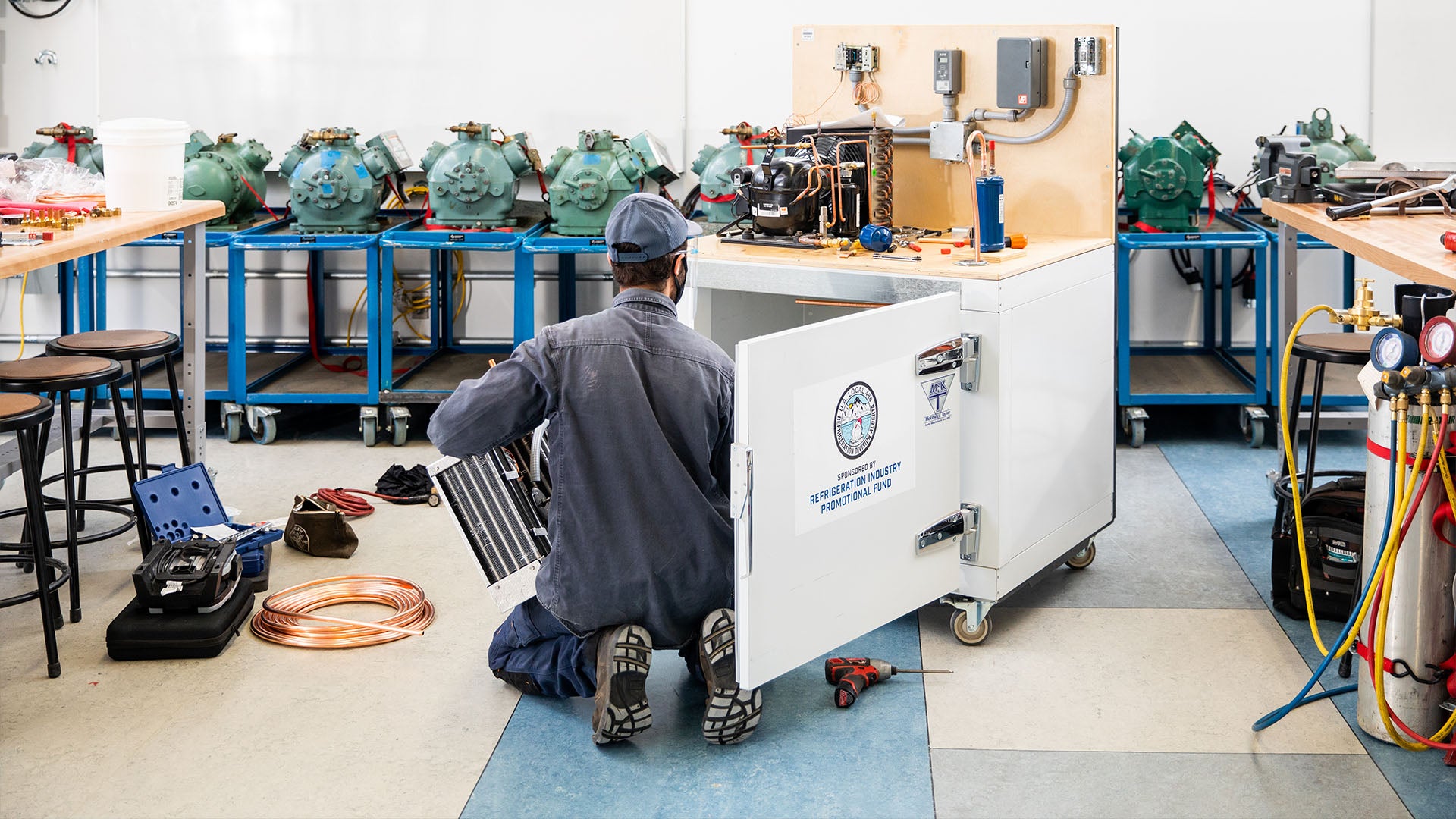
Practical experience is vital for HVAC technicians. Working on real systems teaches skills books cannot. Seek internships or entry-level jobs to practice installation and repair tasks. Volunteering for local projects can also build confidence and knowledge. Hands-on work sharpens problem-solving skills and improves technical abilities.
Networking And Mentorship
Connecting with experienced HVAC professionals opens doors. Join local trade groups or online forums to meet others in the field. Find a mentor who can offer guidance and career advice. Mentors share insights and help avoid common mistakes. Networking creates opportunities for jobs and learning new techniques.
Keeping Skills Updated
HVAC technology changes fast. Staying current ensures better job performance and career growth. Attend workshops, take certification courses, and read industry news regularly. Learning about new tools and regulations keeps skills relevant. Continuous education helps technicians remain competitive and efficient.
Frequently Asked Questions
What Does An Hvac Tech Do Daily?
An HVAC tech installs, maintains, and repairs heating, ventilation, and air conditioning systems. They ensure systems run efficiently and safely.
How To Become A Certified Hvac Technician?
To become certified, complete a technical training program and gain hands-on experience. Passing industry certification exams is also essential.
What Skills Are Essential For Hvac Technicians?
HVAC techs need mechanical aptitude, problem-solving skills, and knowledge of electrical systems. Good communication and customer service are also important.
How Much Does An Hvac Technician Earn?
Earnings vary by location and experience. The average salary ranges from $40,000 to $60,000 annually, with potential for overtime pay.
Conclusion
An HVAC tech plays a vital role in maintaining comfort. They repair, install, and service heating and cooling systems. These experts ensure your home stays pleasant year-round. They work with diverse equipment, keeping it efficient and reliable. HVAC technicians use their skills to fix issues quickly.
Their knowledge helps prevent future problems. Choosing a career as an HVAC tech offers stability and growth. It’s a profession in high demand. Understanding their work can help you appreciate their importance. Always ensure your HVAC systems are in expert hands.
Comfort depends on it.