What is Climate Tech: Revolutionizing Our Future Today
Have you ever wondered how technology can help fight climate change? Climate tech is the answer, and it’s changing the way we protect our planet.
This powerful mix of innovation and science is designed to reduce greenhouse gases, save energy, and create a cleaner future. If you care about the world you live in and want to understand how new tools are making a difference, keep reading.
Discover what climate tech really means and how it could impact your life—and the planet’s health—right now.
Climate Tech Basics
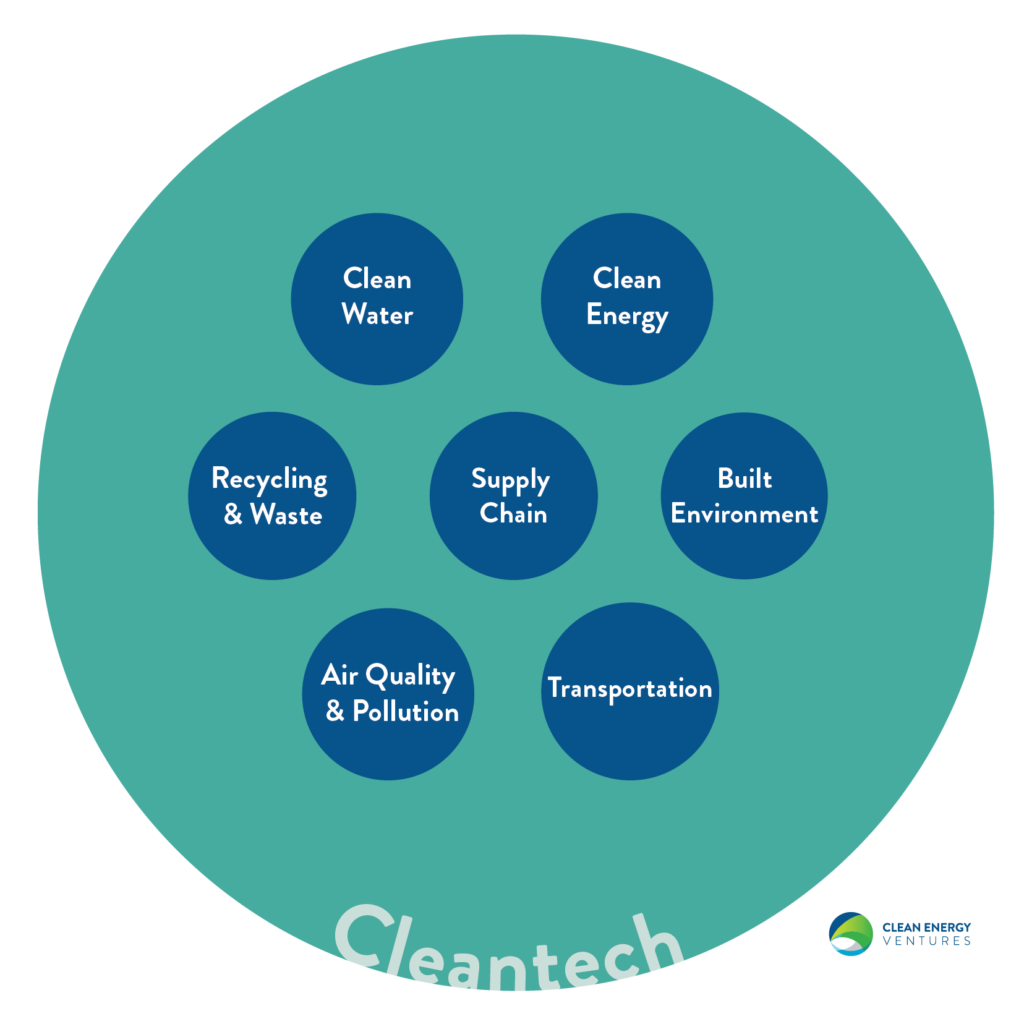
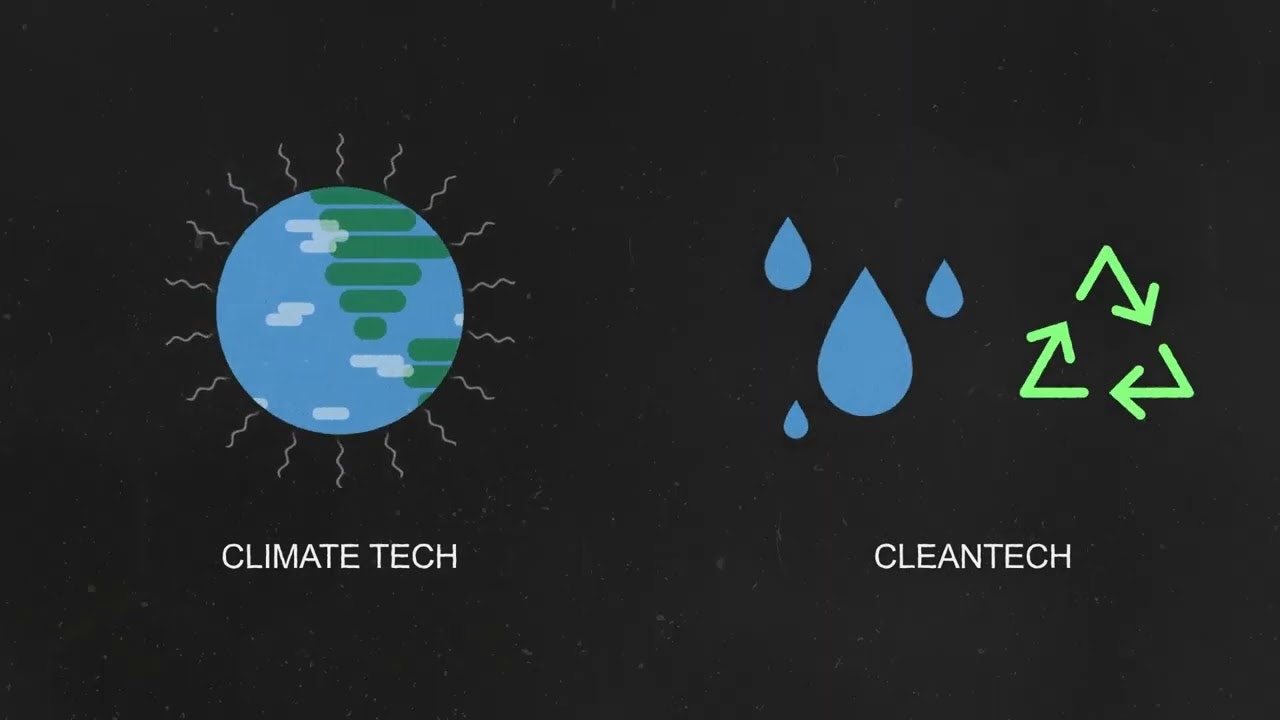
Climate tech is a field focused on developing tools and solutions to fight climate change. It uses technology to reduce harmful emissions and protect the planet. This sector includes many innovations that help industries, cities, and people lower their environmental impact.
Understanding climate tech basics helps us see how these tools work. It shows the role of new technologies in building a cleaner, safer world. The focus lies on reducing greenhouse gases and using energy in smarter ways.
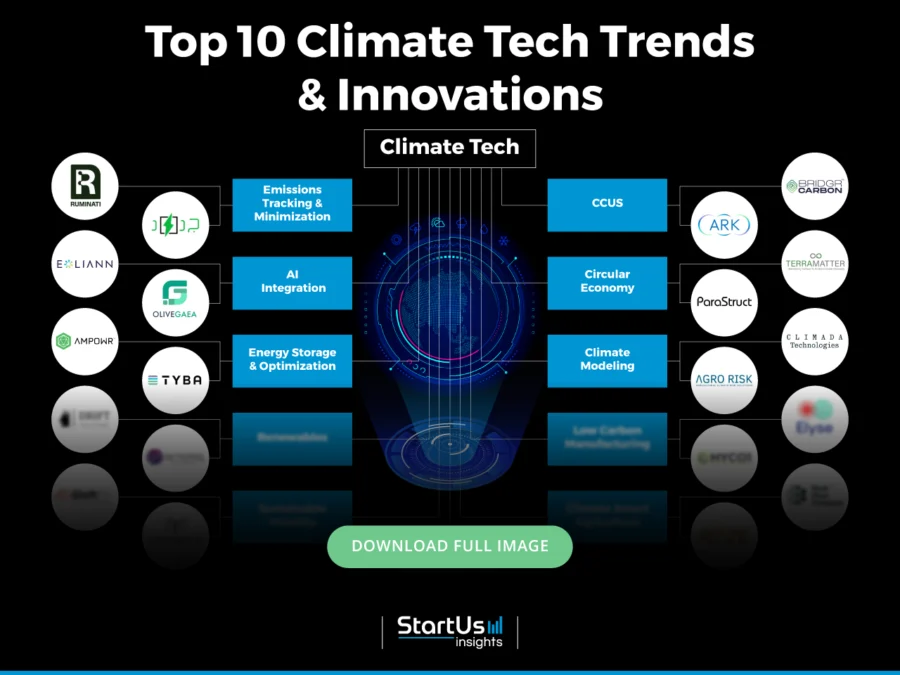
Key Technologies Driving Change
- Renewable energy sources like solar and wind power.
- Energy storage systems such as advanced batteries.
- Electric vehicles that replace gasoline cars.
- Smart grids to manage energy use efficiently.
- Carbon capture and storage techniques.
- Green building materials and designs.
- AI and data analytics for monitoring emissions.
Role In Emission Reduction
Climate tech helps cut emissions in many sectors. It lowers carbon output in energy production and transport. New tools improve energy efficiency and reduce waste. Industries use climate tech to track and manage pollution. These changes slow global warming and protect ecosystems.
Energy Innovations
Energy innovations are reshaping how we produce, store, and use power every day. These changes are crucial if you want to reduce your carbon footprint and support a cleaner future. Understanding these advances can help you make smarter choices for your home and community.
Renewable Energy Advances
Renewable energy technologies are improving fast. Solar panels are becoming more efficient and affordable, letting you generate more electricity from the same amount of sunlight.
Wind turbines now capture energy even in low-wind conditions, making wind power viable in more places. Have you noticed new solar farms popping up near your town? That’s a sign of these advances in action.
Small-scale options like rooftop solar and community wind projects give you direct control over your energy source. These options not only cut emissions but can also lower your energy bills.
Energy Storage Solutions
One big challenge with renewable energy is that the sun doesn’t always shine, and the wind doesn’t always blow. Energy storage technologies are the key to solving this problem.
Battery systems now store excess power generated during sunny or windy times, so you can use it when needed. This means less reliance on fossil fuels and more stable energy supply for your home or business.
New developments include longer-lasting batteries and smarter grid systems that balance supply and demand automatically. Imagine having backup power during an outage without expensive generators—energy storage makes this possible.
Sustainable Transportation
Sustainable transportation plays a crucial role in reducing greenhouse gas emissions and fighting climate change. It focuses on creating ways to move people and goods that are cleaner and more efficient. If you think about your daily commute, switching to greener options can make a big difference for the planet and your health.
Electric Vehicles
Electric vehicles (EVs) run on batteries instead of gasoline, which means they produce zero tailpipe emissions. Driving an EV can cut down your carbon footprint significantly, especially if you charge it with renewable energy. You might wonder if EVs are practical for long trips; advances in battery technology are making longer drives easier all the time.
Besides reducing pollution, EVs also cost less to maintain since they have fewer moving parts. If you’ve ever dealt with oil changes or engine repairs, you know how much hassle and money that can save. Have you considered how much you could save by switching to an electric car?
Alternative Fuels
Alternative fuels like biodiesel, hydrogen, and ethanol offer cleaner options for vehicles that still rely on combustion engines. These fuels emit fewer pollutants and can often be produced from renewable sources. For example, hydrogen fuel cells emit only water vapor, making them a promising option for heavy trucks and buses.
Using alternative fuels also helps reduce dependence on fossil fuels, which fluctuate in price and supply. If you drive a diesel truck, switching to biodiesel can lower emissions without changing your vehicle. Could your next fuel choice contribute to a healthier environment?
Carbon Capture And Utilization
Carbon capture and utilization (CCU) is an important part of climate tech. It focuses on capturing carbon dioxide (CO2) from the air or industrial sources. This process helps reduce greenhouse gases in the atmosphere. Captured carbon can then be used to create useful products. CCU aims to lower carbon emissions and support a cleaner planet.
Methods Of Carbon Capture
There are several ways to capture carbon:
- Post-combustion capture:CO2 is separated from gases after burning fuels.
- Pre-combustion capture:Carbon is removed before fuel is burned.
- Direct air capture:CO2 is taken directly from the air using special filters.
- Oxy-fuel combustion:Fuel burns in pure oxygen, making CO2 easier to capture.
Each method has its own uses and benefits. Choosing the right one depends on the source and scale of emissions.
Turning Carbon Into Resources
Captured carbon can become valuable products. It can be used to make:
- Building materials like concrete and bricks
- Fuels such as synthetic gasoline or diesel
- Plastics and chemicals for industry
- Carbon fibers for strong, lightweight materials
Using carbon in this way helps reduce waste. It also lowers the need for new raw materials. This approach supports a circular economy and helps fight climate change.
Smart Agriculture
Smart agriculture is changing how farmers work, making farming more efficient and environmentally friendly. It uses technology to help you grow more with less waste and lower environmental impact. This approach not only boosts crop yields but also helps protect natural resources for the future.
Precision Farming Techniques
Precision farming uses tools like GPS, sensors, and drones to monitor crops and soil closely. These technologies give you detailed information about where water, fertilizer, or pesticides are needed most. Instead of treating an entire field the same, you apply resources only where necessary, saving money and reducing waste.
Imagine having a sensor that tells you exactly when your plants need watering. This means you avoid overwatering, which can harm plants and waste water. Many farmers report better crop health and lower costs after adopting these techniques.
Reducing Agricultural Footprint
Smart agriculture helps cut down the environmental impact of farming by reducing chemical use and conserving water. Technologies like automated irrigation systems adjust water delivery based on weather and soil conditions, preventing runoff and water waste.
You can also minimize greenhouse gas emissions by using electric machinery or optimizing fertilizer use. This not only helps the planet but can improve your farm’s profitability. Have you thought about how small changes in your farming routine could make a big difference to the environment?
Waste Management Tech
Waste management technology plays a key role in fighting climate change. It helps reduce the amount of trash that ends up in landfills and lowers harmful emissions. Advances in this field make waste handling more efficient and eco-friendly. These technologies support a cleaner environment and conserve resources for future use.
Recycling Innovations
New recycling methods improve how we sort and reuse materials. Smart machines separate plastics, metals, and paper faster than before. Some systems use AI to recognize different waste types automatically. These advances increase recycling rates and reduce contamination. More recycled materials mean less need to extract raw resources.
Waste-to-energy Technologies
Waste-to-energy tech turns trash into useful power. It burns or processes waste to generate electricity or heat. This method lowers landfill volume and cuts greenhouse gas emissions. Modern plants use cleaner processes to reduce pollution. Waste-to-energy helps provide renewable energy from everyday garbage.
Role Of Ai And Data
Artificial Intelligence (AI) and data play a vital role in climate technology. They help analyze vast amounts of environmental information quickly. This allows scientists and businesses to make smarter decisions. AI and data improve how we understand and respond to climate change challenges.
Predictive Climate Modeling
AI uses data from satellites, sensors, and historical records to create climate models. These models predict future weather patterns and climate changes. They help identify risks like floods, droughts, and storms early. Better predictions allow communities to prepare and reduce damage.
Advanced algorithms find patterns in complex climate data. This leads to more accurate forecasts over longer periods. These models support governments and organizations in planning climate action.
Optimizing Resource Use
AI analyzes data to improve how resources like water, energy, and land are used. It helps reduce waste and increase efficiency in agriculture and industry. Smart systems adjust irrigation or energy consumption based on real-time data.
Optimizing resources lowers carbon emissions and saves money. It supports sustainable practices that protect the environment while meeting human needs.
Credit: greenly.earth
Investment And Policy Impact
Investment and policy play a crucial role in the growth of climate technology. Funding helps startups develop new solutions to fight climate change. Policies guide companies to adopt cleaner technologies. Together, they shape the future of climate tech and its impact on the environment.
Funding Climate Tech Startups
Startups focused on climate tech need money to grow. Investors provide capital to help these companies create new products. Venture capital firms, angel investors, and impact funds are key players. Many investors look for projects that reduce carbon emissions or save energy.
Funding supports research, development, and scaling up of technologies. It also helps startups reach markets and customers faster. Without investment, many climate tech ideas would remain small or fail.
Government Incentives And Regulations
Governments use incentives to encourage clean technology adoption. Tax credits, grants, and subsidies lower costs for businesses and consumers. These incentives make green technologies more affordable and attractive.
Regulations set rules that limit pollution and carbon emissions. Companies must follow these rules or face penalties. This pushes industries to switch to cleaner solutions. Clear policies create a stable environment for climate tech innovation and investment.
Future Prospects
The future of climate tech holds great promise for addressing environmental challenges. Innovations continue to develop rapidly, aiming to reduce carbon footprints and improve sustainability. Investments in new solutions are increasing worldwide, driving progress in this vital field.
Many emerging technologies show potential to transform how we protect the planet. At the same time, obstacles remain that require careful attention and smart strategies. The balance of challenges and opportunities will shape the path ahead.
Emerging Technologies To Watch
- Advanced energy storage systems improving battery life and capacity
- Carbon capture and storage techniques removing CO2 from the air
- Smart grids optimizing electricity use and reducing waste
- Green hydrogen as a clean fuel alternative for industries
- AI-driven climate modeling enhancing weather prediction and planning
- Biodegradable materials replacing plastics in packaging and products
Challenges And Opportunities Ahead
- High costs limit adoption of some new climate tech solutions
- Need for supportive policies to encourage innovation and use
- Scaling technologies to reach global markets and impact
- Collaboration between governments, businesses, and communities
- Creating jobs and economic growth in green technology sectors
- Ensuring equity so all regions benefit from climate tech advances
Credit: www.startus-insights.com

Credit: medium.com
Frequently Asked Questions
What Is The Main Goal Of Climate Tech?
Climate tech aims to reduce greenhouse gas emissions. It focuses on sustainable energy, carbon capture, and efficient resource use. The goal is to combat climate change effectively and promote environmental health globally.
How Does Climate Tech Impact The Environment?
Climate tech reduces pollution and conserves natural resources. It promotes clean energy and lowers carbon footprints. These innovations help protect ecosystems and support long-term environmental sustainability.
What Are Common Examples Of Climate Tech?
Common examples include solar panels, wind turbines, and electric vehicles. Other examples are carbon capture systems and smart grids. These technologies help reduce emissions and promote renewable energy use.
Who Benefits From Climate Tech Innovations?
Governments, businesses, and individuals all benefit. Climate tech creates jobs, reduces energy costs, and improves air quality. It also supports global efforts to mitigate climate change effects.
Conclusion
Climate tech holds promise for a better tomorrow. It tackles pollution, saves resources, and supports sustainability. With smart solutions, we can reduce carbon footprints. This technology helps us protect our planet. Businesses and individuals can benefit from climate tech. A clean future is possible with these innovations.
By embracing these tools, we make a difference. Join the movement toward a greener world. Every small step counts in this journey. Climate tech is our ally in this mission. Let’s support it for a healthier Earth. Together, we can change the future.