Why Do Tech Hubs Have Homelessness: Uncovering Stark Realities
Have you ever wondered why cities known for booming tech industries also struggle with visible homelessness? It’s a puzzling and urgent issue that affects your community, your neighbors, and the future of these places.
Understanding the connection between tech hubs and homelessness reveals surprising truths about growth, inequality, and the challenges that come with rapid change. Keep reading to uncover the real reasons behind this problem—and what it means for you.
Tech Hubs And Rising Living Costs
The rise of tech hubs has brought innovation and economic growth, but it has also driven living costs to new heights. This shift affects everyone, but especially those who were already struggling financially. Understanding how these rising costs contribute to homelessness can help you see the bigger picture behind this complex issue.
Housing Prices Soar
Tech companies attract highly paid workers, pushing demand for housing beyond supply. This drives home prices and rents to levels that many long-term residents cannot afford. It’s not unusual to see rent increases of 20% or more in just a year.
Take San Francisco, for example. Over the last decade, housing prices have more than doubled, pricing out families and individuals who once called the city home. This creates a ripple effect where affordable housing becomes scarce, forcing people into unstable living situations.
Impact On Low-income Residents
As housing costs rise, low-income residents face tough choices. They may need to spend a larger share of their income on rent, leaving less for essentials like food and healthcare. Some are pushed into overcrowded homes or even homelessness.
You might wonder, why isn’t there more affordable housing in these booming areas? The challenge is that new developments often cater to wealthier newcomers, not those who need help the most. This disconnect makes it harder for vulnerable populations to stay in their communities.
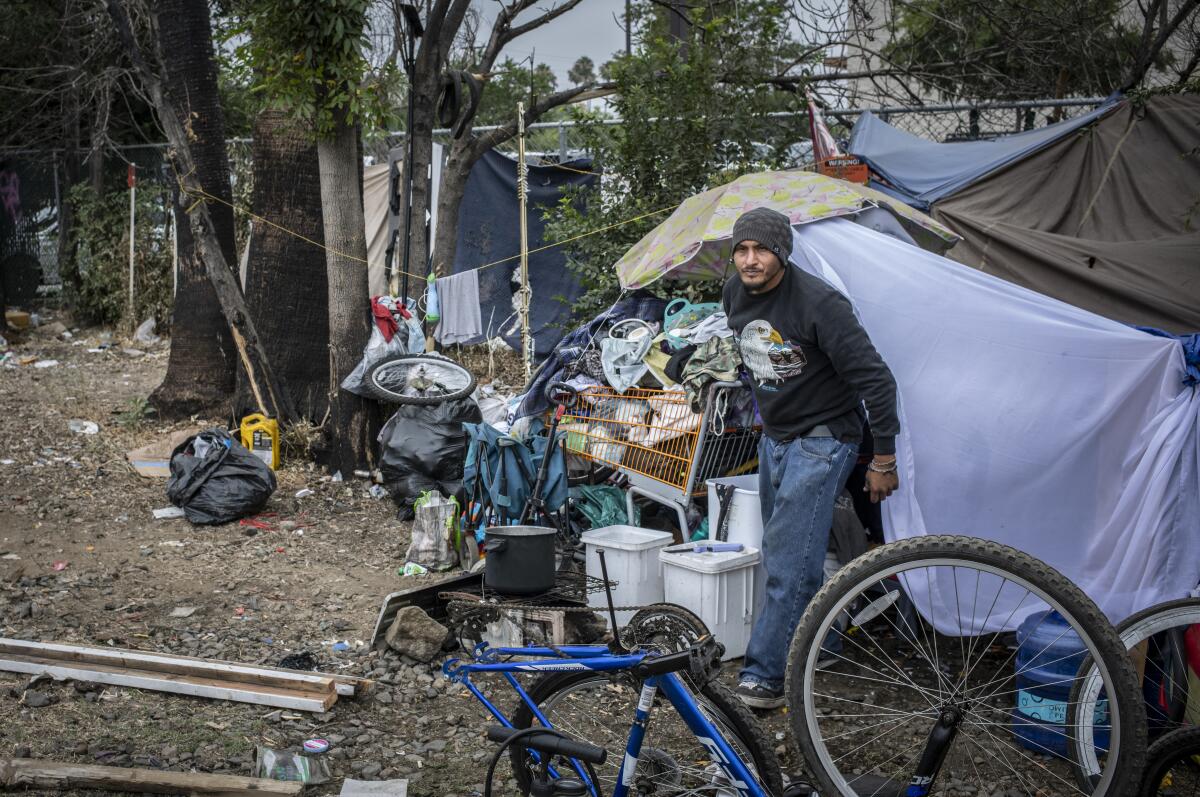
Have you noticed how many local businesses in tech hubs struggle to keep employees who can’t afford to live nearby? This is a direct consequence of rising living costs. Tackling this issue requires not just economic growth but thoughtful housing policies that protect all residents.
Credit: www.latimes.com
Economic Inequality In Tech Cities
Economic inequality shapes the face of homelessness in tech hubs more than you might realize. These cities attract high earners and startups, but the financial benefits don’t spread evenly. This uneven distribution creates visible gaps that affect housing stability for many.
Wealth Concentration Among Tech Workers
In tech cities, a small group of workers holds a large share of wealth. Highly paid engineers and executives earn salaries that can seem out of reach for most residents.
This concentration pushes up costs for housing, transportation, and everyday living. If you’ve ever tried renting in a popular tech city, you know how quickly prices rise beyond what many can afford.
Does this mean other essential workers get left behind? Absolutely. Service workers, teachers, and healthcare staff often struggle to keep up with rising rents, increasing the risk of homelessness.
Widening Income Gap
The income gap between tech employees and other residents grows wider every year. While some see skyrocketing salaries, others face stagnant wages or job insecurity.
This widening gap creates neighborhoods where wealth and poverty exist side by side, sometimes just blocks apart. It’s a stark reminder that economic growth doesn’t guarantee shared prosperity.
Think about your own city—how often do you notice this divide in daily life? Recognizing this income gap is the first step toward addressing the root causes of homelessness in tech hubs.
Shortage Of Affordable Housing
The shortage of affordable housing is a core reason why homelessness persists in tech hubs. These areas attract high-income workers, driving up housing costs and pushing lower-income residents to the edge. Without enough affordable options, many people find themselves without stable homes, caught in a widening gap between income and rent.
Limited Public Housing Options
Public housing programs often fail to keep pace with the rapid growth seen in tech hubs. Waiting lists stretch for years, and the supply of subsidized apartments remains limited. This scarcity means many low-income individuals have no choice but to live in precarious conditions or on the streets.
Consider the story of a former coworker who moved to a tech city for work but couldn’t find affordable housing near her job. Despite earning a modest salary, she spent hours commuting from an overcrowded, low-cost neighborhood. This struggle is common and highlights how public housing shortages deepen homelessness issues.
Gentrification Effects
Gentrification changes the fabric of neighborhoods by attracting wealthier residents and investors. As property values rise, landlords increase rents or convert affordable units into luxury apartments. This process often displaces long-term residents who can no longer afford to stay.
Have you noticed new cafés and tech offices popping up where older businesses once stood? This transformation can push out essential community members, including those at risk of homelessness. Without deliberate policies to protect affordable housing, gentrification intensifies housing insecurity in tech hubs.

Credit: www.theguardian.com
Job Market Displacement
Job market displacement is a major issue in tech hubs. Rapid growth in technology jobs often pushes out workers from other fields. This shift creates gaps in employment and income. Many people struggle to find new jobs or keep their current ones. The result is increased financial instability and homelessness.
Non-tech Workers Left Behind
As tech companies grow, they demand highly skilled workers. Non-tech workers face fewer job opportunities and lower wages. Many cannot afford the rising cost of living near tech centers. Service workers, clerks, and manual laborers often lose out. They may have to move far away or risk homelessness.
Changing Local Economies
Tech hubs change local economies in many ways. Small businesses may close due to high rents. Neighborhoods become more expensive and less affordable. New jobs mostly favor tech professionals, leaving others behind. This economic shift increases poverty and housing insecurity for many residents.
Social Services And Support Challenges
Social services and support systems face major challenges in tech hubs. Rapid growth in population increases the number of people needing help. Resources often fall short. This creates gaps in care and support for homeless individuals. Understanding these struggles is key to addressing homelessness in these areas.
Strain On Homeless Shelters
Homeless shelters in tech hubs often operate beyond capacity. The rising cost of living pushes more people into homelessness. Shelters lack enough beds and staff to meet demand. Overcrowding reduces the quality of services offered. Many shelters struggle to provide safe and clean environments. This strain limits their ability to assist everyone in need.
Access To Healthcare And Resources
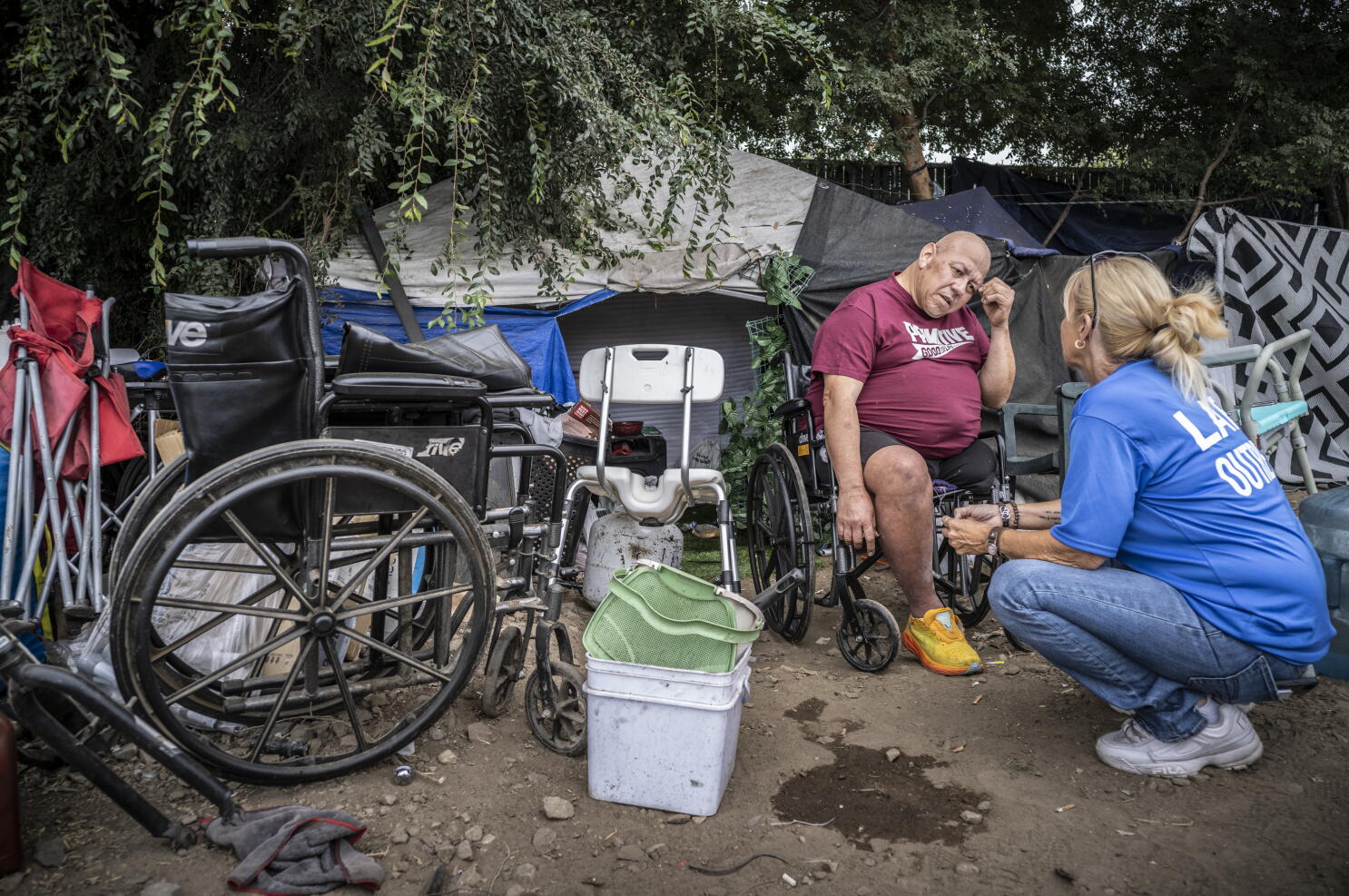
Healthcare access is a major problem for the homeless in tech areas. Many lack insurance or money for treatment. Mental health and addiction services are often scarce or too expensive. Transportation to clinics can be difficult or impossible. Basic needs like food, hygiene, and clothing are not always met. These barriers trap many in a cycle of poor health and homelessness.
Policy Responses And Gaps
Tech hubs attract innovation and investment, but they also face a persistent challenge: homelessness. The policy responses to this issue reveal both efforts and shortcomings. Understanding these responses helps you see where progress is made and where gaps still leave many behind.
Government Initiatives
Many tech cities have launched programs aimed at reducing homelessness. These include increased funding for shelters, affordable housing projects, and mental health services.
San Francisco, for example, has invested in rapid rehousing programs that connect homeless individuals with immediate housing options. Seattle offers rental assistance and job training to help people regain stability.
However, these initiatives often struggle to keep up with the rising demand created by booming tech industries. You might wonder if the resources are enough or if they are reaching those who need them most.
Barriers To Effective Solutions
One major barrier is the high cost of living in tech hubs. Even with government help, many people cannot afford housing near where jobs are located.
Policies also sometimes fail to address the root causes of homelessness, like mental health, addiction, and unemployment. Without tackling these, solutions remain temporary.
Coordination between agencies can be weak, leading to fragmented services. You might notice how this fragmentation means a person could fall through cracks despite multiple programs existing.
- Limited affordable housing supply
- Insufficient mental health support
- Inconsistent policy enforcement
- Challenges in integrating services
Are current policies reactive rather than proactive? Thinking about this can help you advocate for smarter, more comprehensive approaches in your community.
Community Impact And Public Perception
Tech hubs often face challenges beyond innovation and growth. One major issue is homelessness, which affects how communities feel and respond. This problem shapes public views and impacts daily life in these areas. Understanding the community impact and public perception helps reveal the deeper effects of homelessness in tech cities.
Stigma Around Homelessness
Many people see homelessness through a lens of fear and misunderstanding. The stigma makes it hard for homeless individuals to find support or jobs. This negative view creates barriers to acceptance and inclusion. It also leads to isolation and fewer chances for help. Public fear often results in policies that focus on removal, not solutions.
Tech Industry’s Role In Solutions
The tech sector holds power to influence change in their cities. Some companies invest in affordable housing and community programs. Others create jobs and training for vulnerable populations. Tech leaders can partner with local groups to build lasting support systems. Their resources and innovation can help reduce homelessness and improve public views.
Credit: www.latimes.com
Frequently Asked Questions
Why Is Homelessness Common Near Tech Hubs?
Homelessness near tech hubs rises due to rapid urban growth. High housing costs displace low-income residents. Job market shifts increase inequality. Lack of affordable housing and social services worsens homelessness.
How Do Tech Hubs Impact Local Housing Prices?
Tech hubs drive demand for housing, raising prices. Wealthy workers increase rental and property costs. This pricing out longtime residents and low-income families. Limited affordable housing options exacerbate the problem.
What Role Does Income Inequality Play In Homelessness?
Income inequality widens the gap between rich and poor. Tech sectors often offer high salaries, leaving others behind. Low-income workers struggle with rising living costs. This imbalance contributes significantly to homelessness rates.
Are There Solutions To Homelessness In Tech Cities?
Solutions include affordable housing development and rent controls. Expanding social services and mental health support helps. Collaboration between tech companies and governments is crucial. Preventative measures reduce homelessness long-term.
Conclusion
Tech hubs face a complex issue with homelessness. High living costs play a big role. Jobs in tech often pay well. Yet, not everyone benefits. Housing prices rise. Many can’t afford rent. This leads to more people living on streets.
Communities need support. Solutions must address root causes. Local leaders should focus on affordable housing. Social services must improve. Together, change is possible. We can create balanced growth. Compassionate policies can help. Tech hubs can thrive without leaving people behind.
Let’s work towards a future where everyone feels secure.