What Does a Xray Tech Do: Behind-the-Scenes of Diagnostic Imaging
Have you ever wondered what happens behind the scenes when you get an X-ray? If you’re curious about the person who operates the machine and helps doctors see inside your body, you’re in the right place.
Understanding what an X-ray tech does will give you a clearer picture of how important their role is in healthcare. Keep reading, and you’ll discover the skills, daily tasks, and impact these professionals have on your health and recovery. This might even inspire you to explore a career in this fascinating field!
Credit: nomadhealth.com
Role Of An Xray Tech
The role of an X-ray technician is vital in medical imaging. They help doctors see inside the body without surgery. Their work supports diagnosis and treatment plans. Accuracy and safety are key in this job.
Daily Responsibilities
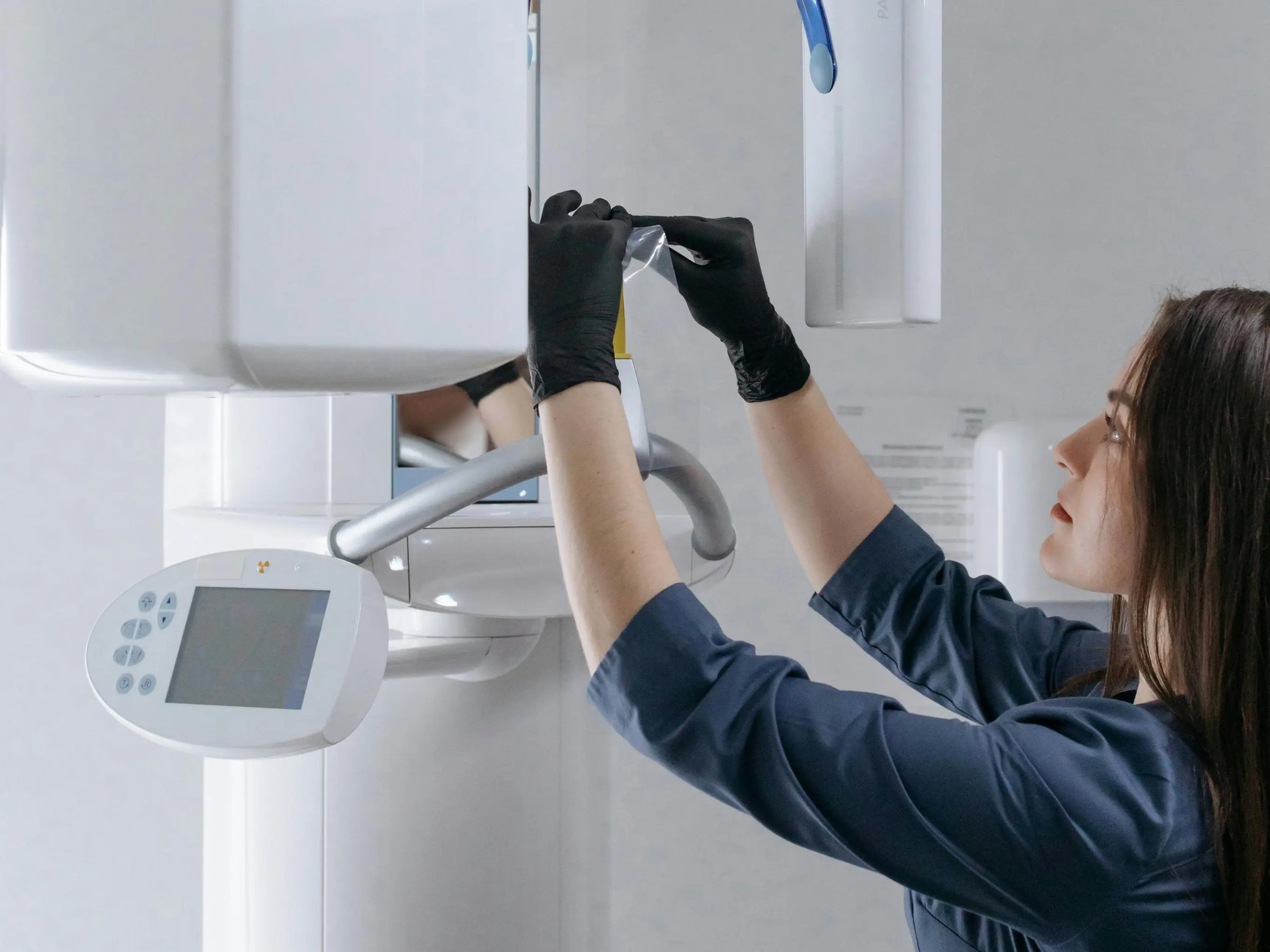
An X-ray tech prepares patients for imaging procedures. They position patients correctly to capture clear images. Operating X-ray machines safely is essential. They also check images for quality before sending them to doctors. Maintaining equipment and keeping records are part of the daily tasks. Patient care, including explaining procedures, is important to reduce anxiety.
Work Environment
X-ray techs work in hospitals, clinics, and imaging centers. The environment is usually clean and well-lit. They may stand for long periods during procedures. Protective gear is worn to limit radiation exposure. Techs work with patients of all ages and health conditions. The pace can be fast, especially in emergency settings.
Collaborating With Healthcare Teams
X-ray techs work closely with doctors, nurses, and other staff. Clear communication ensures accurate imaging and patient safety. They provide technical information to help doctors interpret images. Teamwork is important during urgent cases or complex exams. They support the healthcare team by delivering timely and precise results.
Types Of Diagnostic Imaging
Diagnostic imaging is essential in healthcare. It helps doctors see inside the body without surgery. X-ray techs use different imaging types to capture clear pictures. Each type serves a unique purpose in diagnosis and treatment.
Standard X-rays
Standard X-rays create images of bones and some organs. They use a small amount of radiation. These images help detect fractures, infections, and lung problems. The process is quick and painless.
Fluoroscopy
Fluoroscopy provides real-time moving images of the body’s interior. It helps guide certain medical procedures like catheter placement. This imaging shows function and movement, unlike static X-rays. It uses continuous X-ray beams for live monitoring.
Computed Tomography (ct) Scans
CT scans combine multiple X-ray images to create detailed 3D pictures. They show bones, soft tissues, and blood vessels clearly. Doctors use CT scans to detect cancers, injuries, and internal bleeding. The process takes longer but gives more information.
Skills And Training Required
Becoming an X-ray technician requires a specific set of skills and training that prepare you to handle both the technical and human sides of the job. You need to master equipment operation while also being ready to support patients during sometimes stressful procedures. Understanding what it takes can help you decide if this career fits your strengths and interests.
Educational Pathways
Most X-ray techs start with an accredited associate degree in radiologic technology, which usually takes about two years to complete. Some choose to pursue a bachelor’s degree for more advanced opportunities or specialization. During your studies, you’ll cover anatomy, radiation safety, and image evaluation, balancing classroom work with hands-on clinical practice.
Certification is often required after finishing your education, such as passing the American Registry of Radiologic Technologists (ARRT) exam. Employers value this credential because it proves you understand both the theory and practical aspects of the job. Have you thought about how much time you’re willing to invest in formal education before entering the workforce?
Technical Skills
Operating X-ray machines demands precise technical knowledge. You must know how to position patients correctly and adjust equipment settings to capture clear images. This requires a sharp eye for detail and steady hands to avoid retakes that expose patients to unnecessary radiation.
Besides the machinery, you’ll learn to troubleshoot equipment issues quickly. Technology changes rapidly, so staying updated with new imaging techniques and software is part of the job. Are you comfortable working with evolving technology and continuous learning?
Patient Care Abilities
Working as an X-ray tech means interacting with people who might be anxious or in pain. Your ability to communicate clearly and show empathy can make a significant difference in their experience. Helping a patient relax during a scan improves image quality and builds trust.
You’ll also need to maintain patient confidentiality and follow strict safety protocols to protect both yourself and those you serve. How do you handle stressful situations or people who are nervous about medical procedures?
Safety Measures In Imaging
Safety in imaging is a top priority for X-ray technicians. They work with equipment that uses radiation, which needs careful handling. Strict safety measures protect both patients and staff from unnecessary exposure. These measures include using protective gear, regular equipment checks, and following clear patient protocols. Each step helps keep everyone safe and ensures high-quality images for accurate diagnosis.
Radiation Protection
X-ray techs use shields and barriers to block radiation. Lead aprons and thyroid collars protect sensitive body parts. They also limit the radiation dose to the lowest level possible. Positioning patients correctly reduces repeat scans and extra exposure. Techs wear dosimeters to monitor their radiation levels daily.
Equipment Maintenance
Regular checks keep X-ray machines working safely and well. Techs inspect cables, tubes, and controls for damage. Calibration ensures machines deliver accurate doses. Faulty equipment is reported immediately to avoid risks. Scheduled servicing by professionals extends machine life and safety.
Patient Safety Protocols
Techs explain the process clearly to patients before imaging. They confirm patient identity and check for pregnancy or allergies. Proper positioning avoids unnecessary radiation to healthy areas. Techs use immobilizers to keep patients still during scans. They follow hygiene rules to prevent infections between patients.
Technological Advances
Technological advances have dramatically changed the role of an X-ray tech, making the job more precise and efficient. New tools and techniques allow you to capture clearer images while reducing patient exposure to radiation. These improvements also speed up diagnosis, helping doctors treat patients faster.
Digital Imaging
Digital imaging replaced traditional film, allowing X-ray techs to produce images instantly. You no longer need to develop films in darkrooms, which saves time and cuts costs. Digital images are easier to store and share, improving collaboration between healthcare providers.
Have you noticed how much quicker it is to get results with digital X-rays? This speed can be crucial in emergencies where every second counts.
3d Imaging Techniques
3D imaging provides a more detailed view compared to flat X-rays. Techniques like CT scans let you see inside the body from multiple angles, helping detect problems that traditional X-rays might miss. As an X-ray tech, mastering these techniques means you can offer better support to doctors and patients.
Imagine being able to see a bone fracture in three dimensions before treatment. How would that change the accuracy of care you help provide?
Artificial Intelligence Integration
Artificial intelligence (AI) tools assist X-ray techs by analyzing images faster and spotting abnormalities you might overlook. AI can highlight areas of concern, allowing you to focus on the most critical parts of the scan. This partnership between human skill and AI improves diagnostic accuracy.
Think about how AI could reduce errors in your daily work. Would having a digital assistant change the way you approach each scan?
Challenges Faced By Xray Techs
X-ray technicians face several challenges in their daily work. Their role demands precision, patience, and quick thinking. These challenges test their skills and mental strength.
Handling Difficult Cases
Some patients have trouble staying still during X-rays. This can blur images and delay diagnosis. Techs must find ways to help patients relax. They often work with children, elderly, or injured people. Each case requires special care and attention.
Managing Workload
X-ray techs often work long shifts with many patients. They balance urgent cases with routine scans. Time management is key to keep everything on track. Stress builds when the workload is heavy and breaks are short. Staying organized helps them avoid mistakes.
Emotional Resilience
Techs see patients in pain or distress. They sometimes deliver tough news through imaging results. Keeping emotions in check is crucial. Compassion and professionalism go hand in hand. This resilience helps them support patients and stay focused.
Career Growth And Opportunities
Thinking about your future as an X-ray technician? The field offers more than just entry-level roles. Career growth and opportunities abound for those willing to expand their skills and knowledge.
Specializations
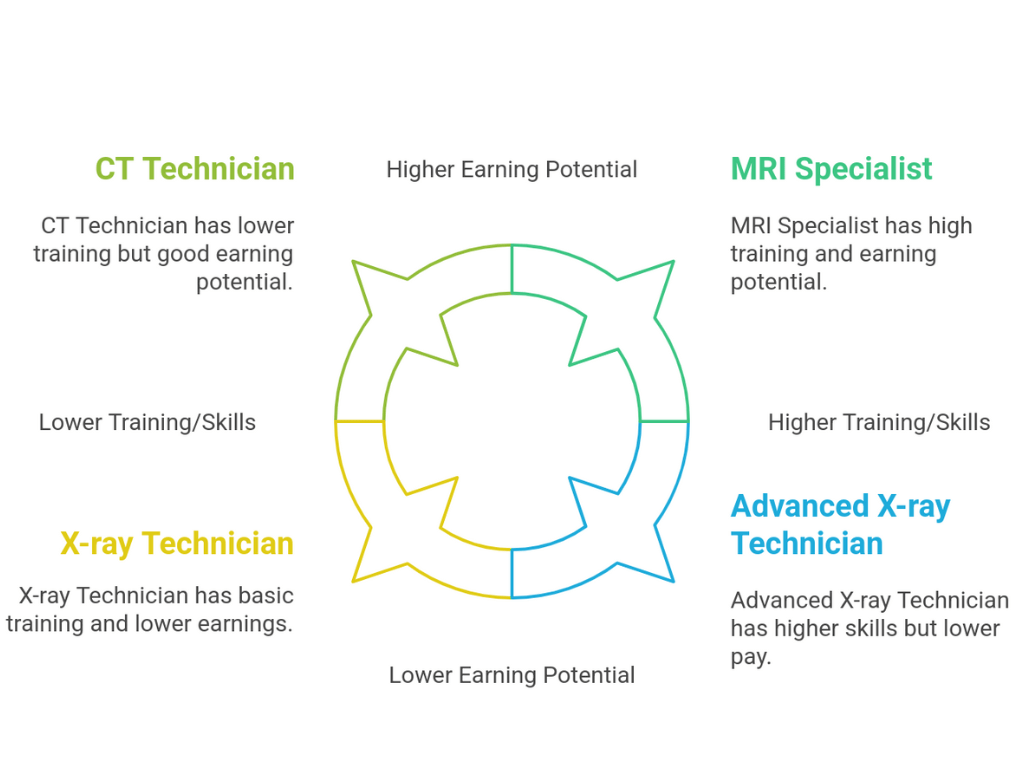
You can choose to specialize in areas like mammography, computed tomography (CT), or magnetic resonance imaging (MRI). Specializing often means higher pay and more job options.
For instance, a friend of mine focused on CT scans and quickly moved into a hospital’s advanced imaging department. What area catches your interest the most?
Continuing Education
Staying current with new technology is essential. You might take courses or attend workshops to learn the latest techniques.
Many employers support continuing education because it improves patient care and boosts team skills. Have you considered how extra training could change your daily work?
Advancement Paths
With experience, you can move into supervisory roles or even teaching positions. Some X-ray techs become radiology managers or clinical instructors.
Advancing your career often involves combining hands-on work with leadership or education skills. What steps will you take to reach the next level?
Credit: www.betterteam.com
Credit: xrayprep.com
Frequently Asked Questions
What Are The Main Duties Of An Xray Tech?
An Xray tech operates imaging equipment to capture body images. They prepare patients, position them correctly, and ensure image quality for accurate diagnosis.
How Long Does It Take To Become An Xray Tech?
Becoming an Xray tech typically requires 1-2 years of education. Most complete an accredited radiologic technology program and obtain certification.
What Skills Are Essential For An Xray Tech?
Key skills include attention to detail, patient care, technical proficiency, and communication. These help in producing clear images and ensuring patient comfort.
Where Do Xray Techs Commonly Work?
Xray techs work in hospitals, clinics, diagnostic imaging centers, and urgent care facilities. They support doctors by providing vital diagnostic images.
Conclusion
X-ray techs play a vital role in healthcare. They operate machines to capture images inside the body. These images help doctors diagnose problems. Techs also ensure patient safety during exams. Their skills require precision and care. Training includes anatomy, equipment handling, and safety protocols.
X-ray techs work closely with other medical staff. They help provide essential information for treatment. Choosing this career means joining a crucial part of patient care. It’s a rewarding path with growing opportunities. Consider exploring more about becoming an X-ray tech.
This field offers a chance to make a real impact in healthcare.