What is a Tech Rider: Essential Guide for Event Success
Have you ever wondered what makes a live performance run smoothly behind the scenes? Whether you’re an artist, event planner, or simply curious, understanding a tech rider is key.
A tech rider is more than just a list—it’s your blueprint for making sure every sound, light, and stage detail fits your vision perfectly. If you want to avoid last-minute chaos and ensure your show goes off without a hitch, knowing what a tech rider is and how it works will give you a huge advantage.
Keep reading to discover how this essential document can make your next event a seamless success.

Credit: www.reddit.com
Purpose Of A Tech Rider
A tech rider is a key document that outlines technical needs for a performance. It ensures all equipment and setup match the artist’s requirements. The purpose of a tech rider is to create clear communication. This helps avoid confusion and technical problems during events.
Role In Event Planning
A tech rider guides event planners on what to prepare. It lists sound, lighting, and stage equipment needed. Planners use it to organize the venue setup correctly. It helps schedule technical rehearsals and sound checks. This ensures everything runs smoothly on the event day.
Benefits For Performers And Organizers
Performers get the right equipment and conditions to perform well. Organizers reduce risks of technical failures and delays. Both sides save time by having clear instructions upfront.
- Improves communication between artists and event staff
- Ensures technical needs are met without last-minute issues
- Supports a professional and efficient event setup
Credit: www.fiverr.com
Key Components Of A Tech Rider
A tech rider is more than just a list; it’s a detailed guide that ensures your performance runs smoothly. Understanding its key components helps you communicate your technical needs clearly to the venue or event staff. This reduces last-minute surprises and keeps your focus on delivering a great show.
Audio Requirements
Audio is often the backbone of any live event. Your tech rider should specify the type and number of microphones, DI boxes, and monitors you need. Include details about preferred mixing consoles and sound levels to avoid any confusion.
Have you ever experienced a gig where the sound was off because the right equipment wasn’t ready? Detailing your audio needs helps prevent that scenario.
Lighting Specifications
Lighting sets the mood and highlights your performance. Clearly state the types of lights, colors, and effects you want. Also, mention any timing or cues for lighting changes to sync with your act.
Even a simple change like adding a spotlight at a key moment can transform the audience’s experience. Don’t leave lighting to guesswork.
Stage Setup
The stage is your workspace, so it must be arranged to fit your performance style. Specify stage dimensions, risers, and any special platforms you need. Include the placement of monitors, stands, and cables to avoid clutter and hazards.
Think about how you move on stage—does your setup allow enough room? Your tech rider should answer that for the crew.
Backline Equipment
Backline gear includes instruments and amplifiers provided by the venue. List the exact models or brands you prefer, or note if you are bringing your own. Clarify the condition and tuning requirements to avoid last-minute adjustments.
One time, a band I worked with arrived to find a different amp model, which changed their sound drastically. Specifying backline details can save your tone.
Video And Visuals
If your performance uses screens, projections, or special effects, include detailed instructions. Specify resolution, format, and timing for video playback. Also, mention any on-site tech support you’ll need for seamless operation.
Visuals can captivate your audience or distract them if not handled properly. Make sure your tech rider makes your vision clear.
Creating An Effective Tech Rider
Creating an effective tech rider requires clear communication and careful planning. It serves as a guide for the technical team to meet the performer’s needs precisely. A well-prepared tech rider ensures smooth setup and successful performances. Every detail counts, from equipment to stage layout.
Gathering Performer Needs
Start by asking the performer about their equipment and setup preferences. Note any special instruments, microphones, or monitors required. Understand their sound volume and lighting preferences. This step prevents last-minute surprises and technical issues. Keep a checklist to organize all performer needs clearly.
Collaborating With Technical Teams
Share the performer’s needs with the sound and lighting crew early. Discuss potential challenges and available resources. Encourage open communication to solve problems quickly. Technical teams can suggest alternatives if some requests are not feasible. Collaboration builds trust and ensures everyone is on the same page.
Detailing Technical Specifications
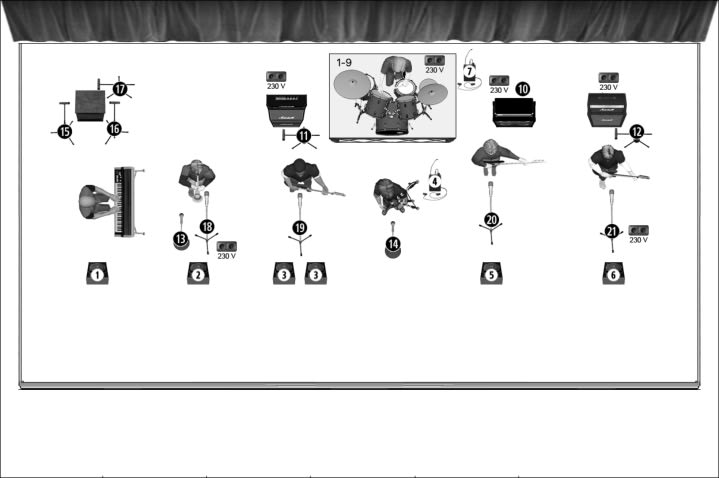
Specify exact equipment models, cable types, and power requirements. Include stage plots and input lists for clarity. Use simple diagrams or tables to show stage layout and connections. Clear specs help technicians prepare setups faster and reduce errors. Always update the tech rider with any changes before the show.
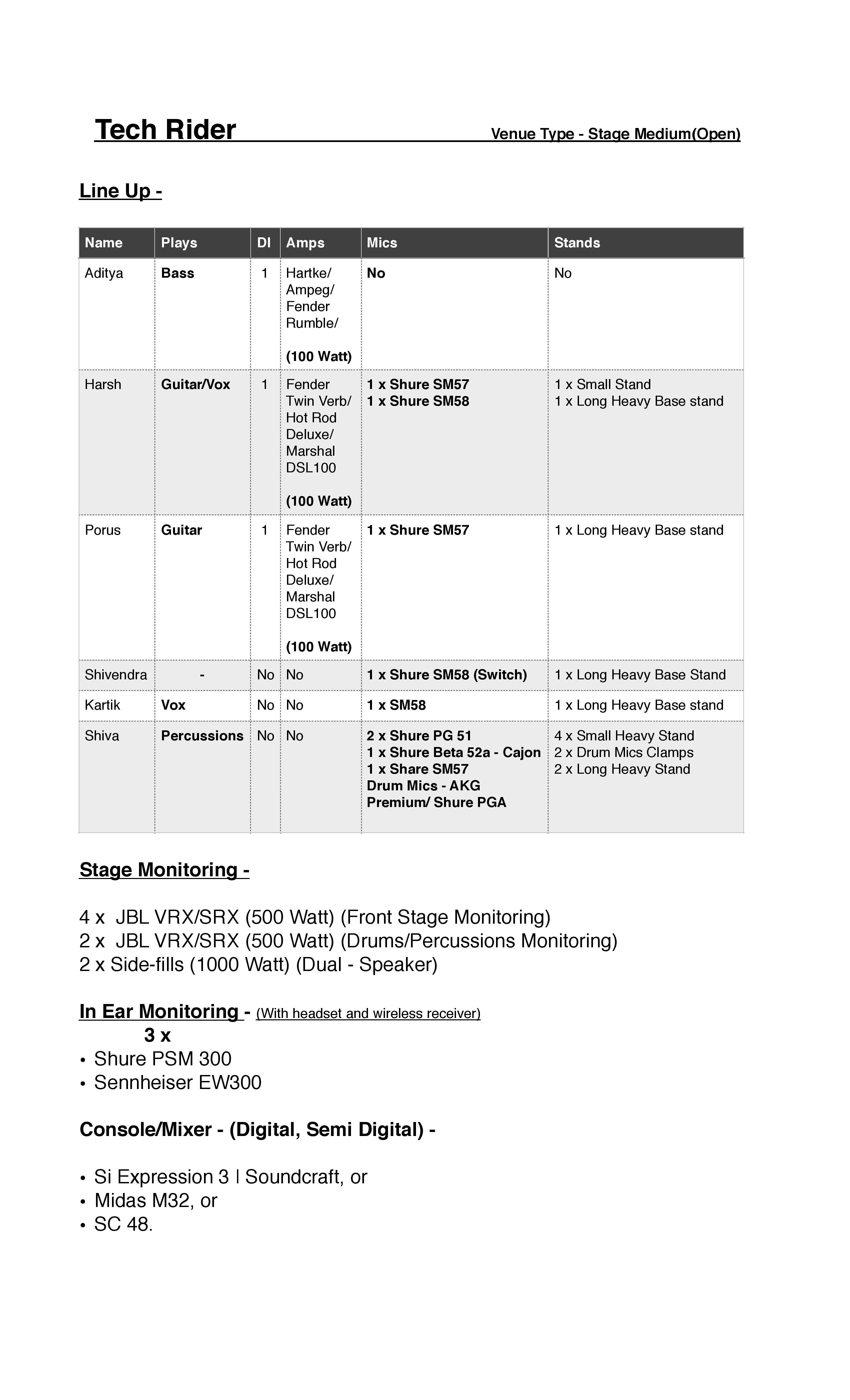
Credit: www.fiverr.com
Common Challenges And Solutions
Tech riders are essential for smooth event production, but they can come with their own set of challenges. Understanding common issues can help you prepare better and avoid last-minute headaches. Let’s look at some of the typical problems and practical ways to handle them.
Miscommunication Issues
Miscommunication between artists, production teams, and venues often leads to confusion over technical requirements. Details like sound levels, lighting cues, or stage layouts can be misunderstood, causing delays or subpar performance conditions.
Clear, written communication is your best defense. Always confirm the tech rider details in writing and encourage questions to clarify any doubts. Sharing a checklist or summary with all parties ensures everyone is on the same page before the event.
Last-minute Changes
Unexpected changes to the tech rider can throw off even the most prepared teams. Whether it’s a change in setlist, additional equipment requests, or altered stage setups, these last-minute updates require quick thinking and flexibility.
Build buffer time into your schedule to accommodate tweaks. Keep backup gear ready and maintain open communication channels so updates can be shared instantly. Have your team practice adaptability—sometimes a small change can become a big problem if you’re not ready.
Equipment Availability
Not all venues have the exact equipment listed in a tech rider. This can lead to compromises or delays if substitutes are not immediately available. Relying on specific brands or models without alternatives can be risky.
Check the venue’s inventory in advance and discuss possible substitutions. Prepare a list of compatible equipment that can work as backups. This proactive approach saves you from scrambling on event day and keeps your performance on track.
Tech Rider Best Practices
Following best practices for a tech rider helps ensure smooth event execution. Clear communication and thoughtful preparation reduce technical problems. These practices make sure the team understands the requirements and can meet them effectively. A well-crafted tech rider supports both performers and technical staff.
Clear And Concise Language
Use simple words to describe technical needs. Avoid jargon that might confuse readers. Short sentences help keep instructions easy to follow. List equipment and setup requirements clearly. Precise language prevents misunderstandings and errors.
Regular Updates
Keep the tech rider current with event changes. Update details about equipment, times, and contacts. Share the latest version with all involved parties. Regular updates help avoid last-minute surprises. They ensure everyone stays informed and prepared.
Building Flexibility
Allow some room for changes in the tech rider. Unexpected issues can happen during events. Flexible plans help adapt without stress. Include backup options for key equipment and setups. Flexibility supports a smoother event experience for all.
Examples Of Tech Riders
Tech riders vary widely depending on the type of event and the specific needs of the performers or presenters. Seeing real examples can help you understand what details to include and how to organize your own tech rider. Let’s look at some common scenarios to see how tech riders adapt to different settings.
Music Concerts
Music tech riders often focus heavily on sound and stage setup. They specify details like microphone types, speaker arrangements, and monitor mixes to ensure the artist’s sound is perfect.
One memorable tech rider I encountered requested a very specific brand of guitar amplifier and a unique stage lighting pattern synced with the music. This level of detail might seem excessive, but it guarantees the artist’s performance feels just right.
- Number and type of microphones
- Stage plot with instrument placement
- Backline equipment (amps, drum kits)
- Lighting cues and effects
Have you ever thought about how much a small change in sound setup can affect a live show?
Theater Productions
Theater tech riders prioritize lighting, sound, and stage design to support the storytelling. They often include cues for lighting changes, sound effects, and set piece movements.
I once worked with a theater group whose tech rider detailed the exact timing for spotlight shifts and fog machine usage. These specifics helped the crew create a smooth, immersive experience for the audience.
- Lighting cues with timing
- Sound effects and microphone needs
- Set and prop specifications
- Special effects instructions
Could your event benefit from such precise coordination behind the scenes?
Corporate Events
Corporate tech riders are usually simpler but require clear communication about AV equipment and stage layout. Presenters often need projectors, microphones, and reliable internet connections.
One event I managed had a tech rider that included a detailed list of backup equipment and contact info for technical support. This small addition prevented chaos when a projector failed right before a keynote speech.
- Audio-visual equipment list
- Stage dimensions and setup
- Internet and connectivity requirements
- Backup plans for technical issues
Have you prepared for unexpected tech problems in your next event?
Frequently Asked Questions
What Is A Tech Rider In Event Production?
A tech rider is a document specifying technical and equipment needs for an event. It ensures smooth setup and performance. It outlines sound, lighting, and stage requirements clearly for venue staff and technicians.
Why Is A Tech Rider Important For Performers?
A tech rider guarantees performers get the right equipment and setup. It helps avoid technical issues during shows. It also communicates specific needs to venue teams, ensuring a successful event.
What Details Are Included In A Tech Rider?
A tech rider includes audio, lighting, stage layout, and power needs. It lists specific brands or models if required. It may also cover setup times and backstage requirements.
Who Creates And Uses A Tech Rider?
Performers or their technical team usually create the tech rider. Venue staff and event organizers use it to prepare the stage. It acts as a guide for technical coordination.
Conclusion
A tech rider simplifies event planning. It outlines technical needs clearly. This helps avoid confusion and ensures smooth performances. Artists and organizers benefit from detailed tech riders. Equipment, sound, and lighting get specified. This saves time and prevents mistakes. Tech riders make events more efficient.
They improve communication between teams. Understanding tech riders boosts event success. They are essential for seamless shows. Organizers should prioritize creating thorough tech riders. This enhances the overall experience for everyone involved. Embrace tech riders for better events. Event success starts with solid planning.