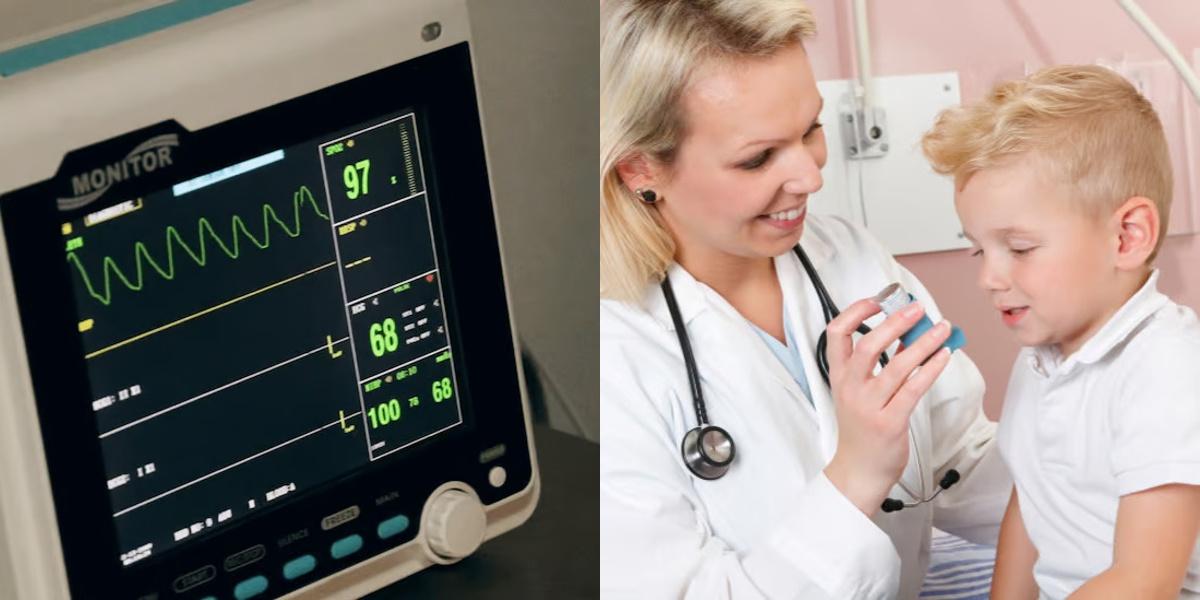
What is an Ekg Tech: Unlocking the Secrets of Cardiac Care
Have you ever wondered who is behind the machine that checks your heartbeat during a doctor’s visit? That person is an EKG Tech.
If you want to understand what an EKG Tech does and why their role is so important for your health, you’re in the right place. By the end of this article, you’ll see how these skilled professionals help save lives and why their work matters to you.
Keep reading to uncover the essential role of an EKG Tech and how they make a difference every day.
Role Of An Ekg Tech
The role of an EKG tech is crucial in the healthcare system. These professionals perform tests that help doctors diagnose heart conditions quickly and accurately. Understanding what an EKG tech does can give you a clear picture of how your heart health is monitored behind the scenes.
Daily Responsibilities
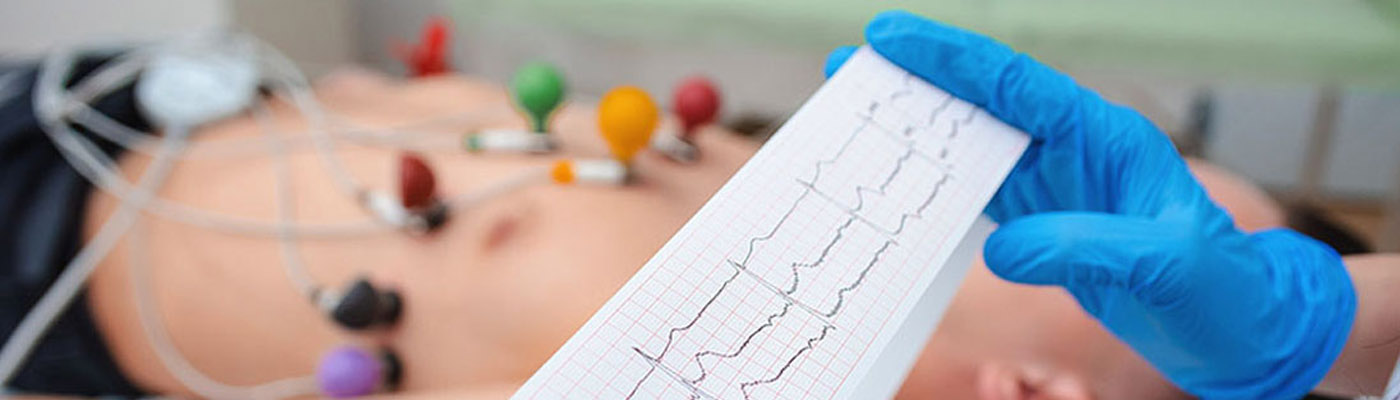
An EKG tech’s day revolves around performing electrocardiograms (EKGs or ECGs) on patients. They carefully attach electrodes to the skin to record the heart’s electrical activity. This requires precision since even small errors can affect the test results.
Aside from conducting tests, EKG techs prepare patients by explaining the procedure to ease any anxiety. They also maintain and calibrate the equipment to ensure accurate readings. Recording patient history related to heart issues is another important task, as it helps doctors interpret the data correctly.
Work Environment
Most EKG techs work in hospitals, clinics, or specialized heart centers. The environment can be fast-paced, especially in emergency rooms where immediate heart monitoring is needed. You might find yourself moving between patient rooms quickly, adapting to different situations on the spot.
While the job involves standing for long periods, the work is rewarding because you’re directly contributing to patient care. Some techs even experience moments where their quick action has helped detect life-threatening heart problems early, which can be deeply fulfilling.
Key Skills And Qualities
- Attention to detail:Small mistakes can lead to wrong diagnoses, so accuracy is key.
- Good communication:Explaining procedures clearly helps patients feel comfortable and cooperative.
- Technical skills:Operating and troubleshooting EKG machines requires solid technical knowledge.
- Empathy:Patients are often nervous; being patient and kind makes a big difference.
- Physical stamina:The role involves standing and moving frequently during shifts.
Think about how your own heart health is monitored—would you feel confident knowing an EKG tech with these skills is taking care of the process? Their expertise ensures you get accurate results and compassionate care at every step.
Ekg Technology Basics
Understanding the basics of EKG technology is essential if you want to grasp the role of an EKG tech. These professionals work closely with machines that record the heart’s electrical activity. Knowing how these machines function and what the results mean can change how you view heart health and diagnostics.
How Ekg Machines Work
EKG machines detect electrical signals produced by your heart as it beats. Small sticky pads called electrodes are placed on your skin to pick up these signals.
The machine then translates these signals into waveforms displayed on a monitor or printed on paper. This process usually takes just a few minutes and is completely painless.
Have you ever wondered how such a simple setup can reveal so much about your heart’s condition?
Types Of Ekg Tests
- Resting EKG:The most common type, done while you lie still. It shows your heart’s electrical activity at rest.
- Stress EKG:Performed during exercise to see how your heart handles physical activity.
- Holter Monitor:A portable device worn for 24-48 hours to record heart activity over time.
- Event Monitor:Similar to a Holter but used for longer periods and activated during symptoms.
Each test offers unique insights into your heart’s function. Which type do you think would reveal the most about your heart’s health?
Interpreting Ekg Readings
Reading an EKG involves analyzing wave patterns that represent different parts of the heart’s electrical cycle.
Key points include:
- P wave:Indicates atrial activity.
- QRS complex:Shows ventricular contraction.
- T wave:Reflects ventricular recovery.
Abnormalities in these waves can hint at issues like arrhythmias, heart attacks, or electrolyte imbalances.
Have you ever thought about how much information is packed into these tiny waves? This is why trained EKG techs play a crucial role in helping doctors make accurate diagnoses.
Training And Certification
Training and certification are the backbone of becoming a skilled EKG technician. These processes ensure that you not only understand how to operate EKG machines but also know how to interpret the results accurately and provide patient care. Without proper training, the risk of errors in heart monitoring increases, which can impact patient outcomes.
Educational Requirements
Most EKG tech programs require a high school diploma or GED as a starting point. You will need to complete a specialized training course that usually lasts a few months to a year. These courses cover anatomy, physiology, EKG technology, and patient interaction skills.
Community colleges and vocational schools often offer these programs. Some even provide hands-on experience through clinical rotations. This practical exposure is crucial—you learn how to handle equipment and work with real patients.
Certification Process
Certification is key to proving your competence as an EKG technician. Organizations like the National Healthcareer Association (NHA) offer certifications such as the Certified EKG Technician (CET) credential. To qualify, you typically need to pass a written exam that tests your knowledge and skills.
Before taking the exam, you might need to complete an accredited training program or have relevant work experience. Certification not only boosts your resume but also increases your chances of landing a good job. Have you checked the certification requirements in your state? They can vary, so it’s important to know what applies to you.
Continuing Education
Once certified, your learning doesn’t stop. Continuing education keeps your skills sharp and your knowledge up to date with the latest technology and guidelines. Most certifying bodies require you to earn continuing education units (CEUs) to renew your certification every few years.
Workshops, online courses, and seminars are great ways to earn CEUs. Engaging in ongoing education can also open doors to advanced roles in cardiac care. Are you prepared to commit to lifelong learning in this fast-evolving field?
Credit: www.uh.edu
Impact On Cardiac Care
Electrocardiogram (EKG) technicians play a vital role in cardiac care. Their work helps detect heart problems early. This early detection can save lives and improve treatment outcomes. EKG techs gather important heart data, which doctors use to make decisions. Their skills support smooth and effective cardiac care.
Early Detection Of Heart Conditions
EKG techs perform tests that record heart activity. These tests spot irregular heartbeats and other issues fast. Detecting problems early allows doctors to act quickly. Early treatment can prevent severe heart damage. EKG tests are simple but provide critical information.
Supporting Cardiologists
EKG techs prepare patients and operate testing equipment. They ensure data accuracy for doctors to review. This support lets cardiologists focus on diagnosis and treatment. Clear, reliable data helps doctors choose the best care. EKG techs are essential team members in heart clinics.
Patient Interaction And Care
EKG techs work closely with patients during tests. They explain procedures in clear, simple words. This reduces patient fear and builds trust. Good care improves test quality and patient comfort. EKG techs provide a friendly, calm presence for patients.
Career Path And Growth
The career path for an EKG tech offers steady growth and various opportunities. This role plays a key part in healthcare by helping doctors diagnose heart conditions. Many start as entry-level technicians and gain experience over time. This experience can lead to higher positions and new specialties within cardiac care.
Job Outlook
The demand for EKG techs is steady and expected to grow. Aging populations increase the need for heart health monitoring. Hospitals, clinics, and outpatient centers often hire these technicians. Job security is strong due to constant healthcare needs.
Advancement Opportunities
EKG techs can move up by gaining more skills and certifications. Some advance to supervisory or management roles. Others expand their knowledge to work in related areas like cardiac sonography. Continuing education helps improve pay and job options.
Specializations In Cardiac Technology
Specializing adds value to an EKG tech’s career. Options include:
- Holter Monitoring
- Stress Testing
- Cardiac Catheterization Assistance
- Electrophysiology Studies
These specialties require extra training but offer diverse job roles.
Credit: dreambound.com

Credit: www.instagram.com
Frequently Asked Questions
What Does An Ekg Tech Do Daily?
An EKG tech performs heart rhythm tests using electrocardiogram machines. They prepare patients, operate equipment, and record accurate heart data. Their role ensures doctors receive vital cardiac information for diagnosis and treatment.
How To Become A Certified Ekg Technician?
Becoming certified requires completing a specialized training program and passing an exam. Most programs include anatomy, physiology, and hands-on EKG practice. Certification boosts job prospects and validates professional skills.
What Skills Are Essential For Ekg Technicians?
Key skills include attention to detail, patient communication, and technical proficiency. EKG techs must handle equipment accurately and maintain patient comfort. Strong observation and recording abilities are crucial for quality results.
Where Do Ekg Technicians Typically Work?
EKG technicians work in hospitals, clinics, and diagnostic labs. They may also serve in cardiology offices or outpatient care centers. Their services are vital wherever cardiac monitoring is needed.
Conclusion
Exploring the role of an EKG tech reveals its importance in healthcare. They perform vital tests to monitor heart health. Their skills help detect heart issues early. Training is essential for accuracy and patient safety. This career requires attention to detail and compassion.
EKG techs work closely with doctors and nurses. Their contribution enhances patient care and outcomes. Pursuing this path offers opportunities to make a difference. It’s a rewarding field with growth potential. Those interested should research and consider this career. An EKG tech plays a crucial role in saving lives.